
.png)
Is Hang Dao Street Hanoi Worth Visiting? 5 Criteria
For some, hang dao street hanoi is a sensory delight - woven lanterns, old shophouses, and a pulse that quickens after dusk. On weekends, it transforms into a pedestrian artery within a walking street system that can attract up to 35,000 visitors, yet satisfaction depends entirely on what you're seeking. If you crave authentic craftsmanship, atmospheric immersion, or heritage that can still be seen, timing and purpose will define whether this short street feels like a gem - or a detour.
Is Hàng Đào Street Hanoi Worth Visiting?
| If you care most about… | Then Hàng Đào is worth it if… |
|---|---|
| Cultural authenticity | You visit during the day and notice preserved architecture, silk trade history, and traditional craft stalls. |
| Craft quality & originality | You can find handmade or artisan goods and avoid stalls selling mass-produced trinkets. |
| Walkability and comfort | You explore during quieter hours or tolerate dense crowds during the weekend night market. |
| Night market atmosphere | You enjoy energetic street scenes, lights, music, and dense crowds typical of Hanoi’s night buzz. |
| Shopping fit & accessibility | You’re looking for souvenirs or fashion, prefer central locations, and don’t mind haggling. |
Why it works: These five criteria - authenticity, craftsmanship, walkability, night vibe, and shopping fit - capture what most tourists use to judge satisfaction. Hàng Đào’s blend of heritage identity by day and vibrant market energy by night makes it a highly situational but rewarding visit, especially when matched to your personal travel goals.
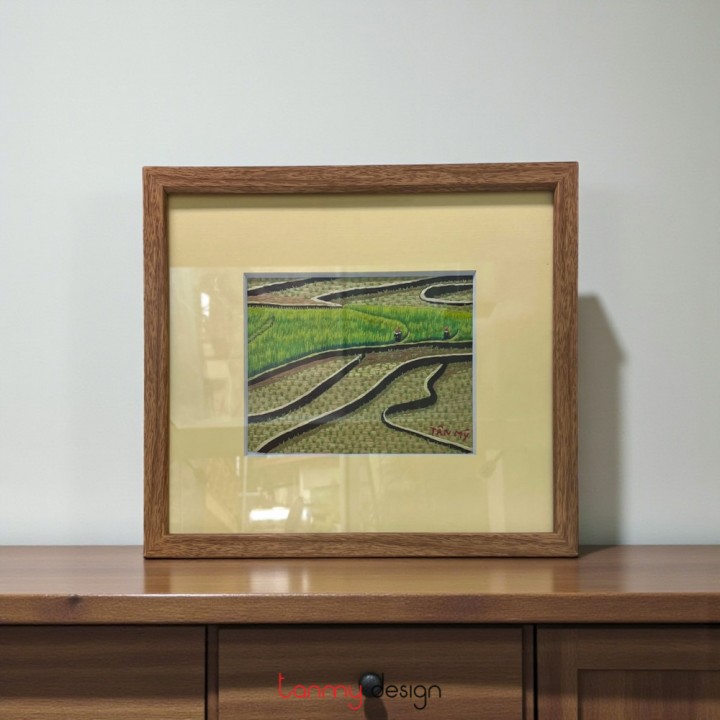
5 Criteria to Decide If Hang Dao Street Is Worth Your Time
-
Cultural Continuity Over Centuries
Hang Dao Street in Hanoi reflects over 500 years of uninterrupted textile commerce, evolving from 15th-century dyeing guilds to a vibrant silk trading hub during French colonial rule. This deep-rooted legacy offers travelers a rare, living thread of Vietnam’s cultural fabric. -
Authentic Craftsmanship - Now Reimagined
Traditional silk shops once lined the street. Today, while many original workshops have given way to souvenirs and cafés, visitors still find reinterpretations of heritage goods by local artisans - proof of how tradition adapts without vanishing. -
Historic Identity Within a Walkable Core
As one of the 36 guild streets, Hang Dao forms a symbolic north-south axis of the Old Quarter, making it easy to explore on foot while immersed in Hanoi's oldest trade district. Its accessibility is ideal for time-limited travelers seeking genuine urban history. -
Urban Evolution Reflecting Vietnam’s Story
From guild-era trades to colonial fairs to modern commerce, the street mirrors Hanoi’s transformation. This layered urbanism is visible in architecture, signage, and shopfronts - a microcosm of Vietnam’s socio-economic shifts. -
Reputation vs Reality: A Balanced Expectation
Though visitor numbers aren't tracked by street, Hang Dao sits within the Old Quarter’s 1M+ Lunar New Year crowd. Yet preservation policies favor facades over craft retention - so come for the spirit of the past, not a fully preserved past.
Why Hang Dao Street Matters Historically
Hang Dao Street Hanoi holds historical value as the city’s original silk trading corridor, evolving into a boutique destination shaped by colonial prestige and modern adaptation.
Originating as "Rue de la Soie" during the French colonial era, Hang Dao anchored Hanoi’s premium textile trade, laying the foundation for its long-standing association with quality craftsmanship and elegance. This path dependency attracted higher-end merchants and continues to distinguish the street from more utilitarian neighbors like Hang Ngang or Hang Duong. Its direct link to Hoan Kiem Lake and role as the southern gateway to the Old Quarter strengthened its appeal as a retail and cultural hub.
Throughout the week, this street operates as a curated retail strip offering fixed-price boutiques featuring artisan-quality goods and designer collaborations. These products command premium pricing - 50–70% higher than traditional markets - due to superior material selection and design. From Friday to Sunday evenings, the area transforms into a pedestrian-only night market, doubling tourist footfall and infusing the street with vibrant performances, live vendors, and an elevated gifting atmosphere.
Unlike streets dominated by wholesale operations, Hang Dao balances historical reverence with modern consumer expectations. While full quantitative validation is limited, the street’s boutique-to-market duality, historical significance, and spatial strategy suggest a uniquely refined experience for culture-driven travelers seeking meaningful, authentic souvenirs.
What Makes It Different From Other Old Quarter Streets?
Hang Dao Street Hanoi distinguishes itself through its boutique density, historical prestige, and dual-format shopping model that few nearby streets replicate. Its origin as “Rue de la Soie” during the French colonial era shaped it into a premium silk corridor, attracting upscale merchants that evolved into today's curated fashion boutiques. Unlike wholesale-heavy neighbors like Hang Ngang, Hang Dao blends high-end retail with fixed-price designer items, priced 50–70% higher than traditional markets, reflecting its craftsmanship standards and tourist appeal.
On weekends, it becomes a pedestrian-only cultural spine with night markets, live performances, and doubled tourist traffic - transforming its atmosphere into an immersive experience unmatched in the Old Quarter. Weekdays, by contrast, offer quieter, boutique-focused browsing - appealing to visitors seeking authenticity over street vendor chaos.
Hang Dao’s differentiation is reinforced by its gateway position near Hoan Kiem Lake, centralizing footfall and securing its role as both a heritage landmark and dynamic shopping axis.
Where to Find Authentic Craftsmanship
Many items on Hang Dao Street Hanoi are not authentically handmade, due to rising tourism-driven demand and gentrification.
As commercialization intensified, many long-standing artisans were displaced by rental hikes, and mass-produced fashion began replacing traditional crafts. Today, Hang Dao’s weekend night market - though vibrant - features budget goods and fast fashion rather than heritage-rich items. The street’s original identity as a red silk dyeing hub has faded, with most traditional silk trade now centered on nearby Hang Gai.
To experience authentic Vietnamese craftsmanship, visitors should prioritize alternative streets:
-
Hang Bac – Known for engraved silver jewelry and centuries-old artisan lineage
-
Hang Gai – Offers hand-embroidered silk and bespoke tailoring in premium boutiques
-
Hang Trong – Features folk art and traditional paper goods
These areas preserve cultural depth and craftsmanship integrity, often offering genuine handmade products at higher - but fair - prices reflecting artisan labor.
For travelers seeking meaningful souvenirs, focusing on these nearby heritage streets ensures better alignment with cultural authenticity and quality. Ask vendors directly about production methods or shop in stores that highlight local workshops.
_cr_720x720.jpg)
When Is the Best Time to Visit?
The best time to visit Hang Dao Street Hanoi is before 6 PM on weekends or during weekday mornings to avoid overwhelming crowds and misaligned experiences. Although the street’s proximity to Hoan Kiem Lake and its night market status make it appealing, its compact 260-meter layout transforms into a congested corridor by 8 PM, with foot traffic surging from 3,000 to over 20,000 people .
This density, while energizing for bargain hunters, often frustrates cultural travelers who expect historical ambiance and visual breathing room. Evening congestion hides architectural details and introduces noise that disrupts reflective exploration. Early evening or daytime visits offer more space, allowing travelers to enjoy the heritage without compromising comfort or intent alignment.
If your travel goal leans toward photography, cultural immersion, or a relaxed stroll, avoid peak weekend nights. Let your visit match your purpose - not the hype.
Whether you're a seeker of meaningful souvenirs or a traveler chasing living heritage, Hang Dao Street rewards clarity of intention. Its charm reveals itself fully only when pace, purpose, and time of day align. For those who value craft over clutter, elegance over excess, the right visit can become a memory worth gifting. Discover pieces that last - both in form and feeling - at tanmydesign.com.
FAQs about Hang Dao Street Hanoi
1. Is Hang Dao Street Hanoi worth visiting?
It depends on your travel intent. The street appeals to bargain shoppers and nightlife seekers, but may disappoint cultural tourists due to overcrowding and a lack of authentic craftsmanship.
2. What is special about Hang Dao Street?
Hang Dao Street has historical significance as a traditional trading street and acts as a main artery connecting Hoan Kiem Lake to Dong Xuan Market. It becomes a bustling night market zone on weekend evenings.
3. How crowded is Hang Dao Street at night?
Extremely crowded. Evening foot traffic can reach 15,000–20,000 people, with peak congestion around 8 PM. This density often overwhelms visitors seeking a calm or culturally immersive experience.
4. What can you buy at Hang Dao Night Market?
You’ll find a wide selection of souvenirs, clothes, and accessories. However, many visitors note product repetition and limited uniqueness - “same shoes in every store” - raising concerns about authenticity.
5. Is Hang Dao Street good for cultural sightseeing?
Not during weekend nights. High crowd density obscures historical facades and limits peaceful observation. Cultural tourists may prefer quieter daytime visits or nearby artisan-focused streets.
Other articles
Vietnamese Silk Scarf Motifs: Meanings & Gift Choices
Square vs Long Silk Scarf: Which Makes a Better Gift?
Hand-Embroidered vs Printed Silk Scarves: Which to Gift?
_cr_720x720_cr_336x264.jpg)
Meaningful Personalized Gifts: What Makes Them Feel Truly Special



Add: 61 Hang Gai St., Hoan Kiem Dist., Hanoi, Vietnam
Hotline: +84 936631368
Email: info@tanmydesign.com