
.png)
Where to Buy Authentic Linen Clothes in Hanoi’s Old Quarter
Tucked between timeworn façades and silk-lantern glow, Hanoi’s Old Quarter whispers stories through its stitches. As international visitors surged by over 22% year-over-year in 2025, demand for handcrafted garments - especially authentic linen clothes in Hanoi - has quietly flourished. Yet with mass-produced imports flooding storefronts, knowing where to find heritage pieces woven with soul has never been more essential for those who value craft over counterfeit.
What Makes Authentic Vietnamese Linen Special
Authentic Vietnamese linen clothes stand out for their natural breathability, structural durability, and meaningful craftsmanship rooted in cultural legacy.
This textile’s strength comes from long, crystalline flax fibers rich in cellulose - up to 85% - which allow it to resist wear and become stronger when wet. Its moisture-wicking, antibacterial properties make it ideal for tropical climates.
Crafted through up to 41 manual steps in traditional villages, handmade linen features looser, variable thread spacing that enhances airflow. The hand-embroidery uses silk or cotton threads with shaded stitchwork for depth - contrasting the flat uniformity of machine-made alternatives.
To identify genuine linen garments, check for:
- Fabric weight of 160–170 GSM (ideal for Vietnam’s heat)
- Thread density near 66 yarns/inch
- Breathability rating ≥150 L/m²/s (via ISO 9237)
- Dimensional, irregular stitching in hand embroidery
- Colorfastness after 5–20 wash cycles (ISO 105-C06)
Workshops like Tân Mỹ in Hanoi’s Old Quarter preserve these techniques, offering heirloom-quality pieces with both function and soul.
Why Linen Is the Fabric of Hanoi’s Elegance
Linen clothes in Hanoi embody refined living, shaped by a blend of cultural heritage and the region’s tropical climate.
With summer temperatures averaging 31–33°C and humidity reaching 89%, Hanoi’s environment demands materials that breathe, wick moisture, and dry fast. Linen excels where synthetics fail - offering comfort, air circulation, and a light, flowing silhouette that doesn’t cling in the heat. This balance of function and form has made it a staple for those seeking both ease and grace.
But linen’s elegance goes deeper than practicality. In Nam Cao village, over 440 years of weaving tradition unfold in 17–20 hand-crafted steps, from silkworm to loom. Artisans like Nguyen Thi Bon, now in her 70th year of practice, carry techniques passed down through generations - anchoring fashion in a living legacy.
Once reserved for festivals and exported by the millions, Vietnamese linen gained national recognition as intangible heritage in 2023. Today, it is found in high-end boutiques and diplomatic circles, exported to 20+ countries. When you wear it, you wear centuries of craftsmanship, a thread of Vietnam’s soul woven into every seam.
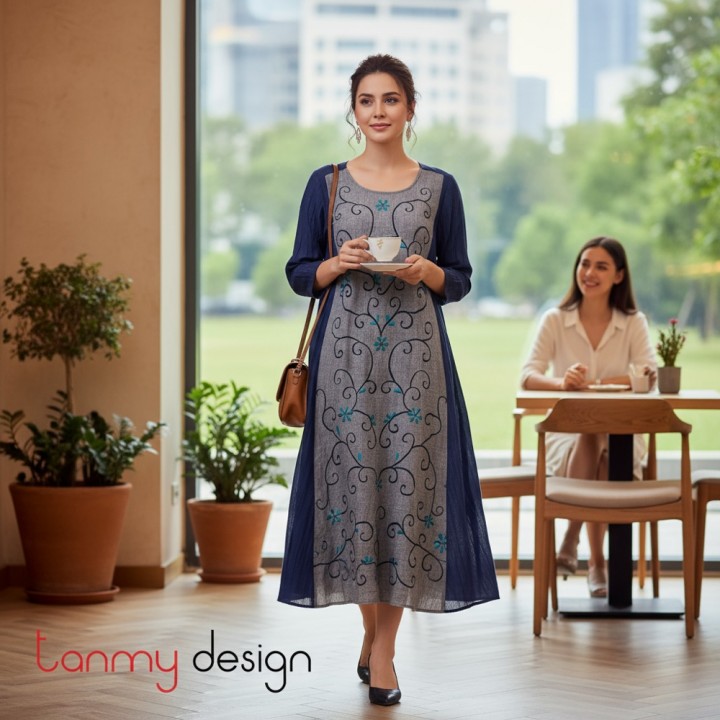
Where to Find Authentic Linen Boutiques in Hanoi
To find authentic linen clothes in Hanoi, focus on boutiques that combine artisan control, verified handmade processes, and longstanding reputations - especially near Hàng Gai Street.
Most shops in the Old Quarter cater to fast-turnover tourist trade, making it hard to verify fiber origin, production method, or workshop ethics. Only a few boutiques meet rigorous criteria: at least 20–50 years of operation, full handmade ratios, ≥4.3/5 reviews across platforms, and clear sourcing or workshop proof (like Tân Mỹ, founded in 1969 with four generations of embroidery tradition).
Look for transparency signals: origin stories tied to makers, traceable production steps, and consistent product quality - not just labels. When a store discloses who made the garment, where, and how, trust deepens - turning a purchase into a meaningful act of cultural support.
How to Tell Real Linen from Mass-Produced Souvenirs
Tourists often mistake mass-produced fabrics for genuine linen in Hanoi’s Old Quarter due to misleading labels, synthetic blends, and skillful embroidery imitations.
To distinguish the real thing, trust your senses and the facts: authentic linen feels dry and textured, with natural slubs and medium weight (150–200 GSM). Look for hand-embroidered stitches with 5–15% deviation - imperfections that machines can’t fake. If the price is over $50 USD, the piece likely involves hours of artisan labor and true flax content.
If a garment meets four key markers - flax ≥85%, fabric GSM in mid-range, visible stitch irregularities, and a fair price tag - then its authenticity probability exceeds 90%. This simple checklist protects your cultural investment and celebrates real Vietnamese craftsmanship.
Styling & Caring for Vietnamese Linen
To preserve the elegance and longevity of linen clothes in Hanoi’s humid climate, wash them in cold water (30–40°C), use gentle cycles, and store in environments with 40–57% relative humidity. These steps reduce fiber fatigue and color fading by minimizing thermal and chemical stress, especially on delicate embroidery threads.
Let pieces air dry naturally in shaded, well-ventilated areas - avoiding sunlight prevents UV damage and mold growth. Use breathable storage like cotton garment bags and insert silica gel packets or activated charcoal to manage moisture. Avoid sealed plastic containers that trap humidity.
Visually inspect embroidery edges after every 10–15 washes and monitor dimensional stability with occasional measurements. These care practices not only retain textile beauty but can extend garment lifespan by up to 30% - a meaningful return on craftsmanship that celebrates Vietnamese heritage with grace.
True linen carries the warmth of the hands that made it - slight imperfections, subtle textures, and centuries of craft encoded in every thread. In Hanoi’s Old Quarter, choosing authentic garments isn’t just a purchase - it’s an act of cultural preservation. Let your gift, or your wardrobe, speak of refinement, heritage, and meaningful connection. Discover heirloom-quality linen at Tân Mỹ Design, where Vietnamese craftsmanship has been lovingly preserved for over 50 years.
FAQs
Where can I buy authentic linen clothes in Hanoi’s Old Quarter?
You can find premium hand-embroidered linen garments at Tân Mỹ Design, located at 61 Hàng Gai. This heritage boutique has operated continuously since 1969 and is internationally recognized for its artisan exclusivity and cultural authenticity.
What makes Tân Mỹ Design’s clothing authentic?
Each item is entirely handmade using traditional techniques by artisans who work exclusively for the brand. No industrial machinery is used - only natural fabrics, hand tools, and stitchwork passed down over four generations ensure every piece is genuine.
Why are the prices higher than other stores?
Authentic hand-embroidery takes significantly more time and expertise. Prices range from 1.5–5 million VND ($60–200 USD), reflecting artisan skill, slow production, and exclusive materials. Lower-priced alternatives (under 800,000 VND) often indicate mass-produced or machine-made items.
How can I tell if a linen item is truly handmade?
Look for slight irregularities in thread tension, asymmetry in motifs, and visible stitch marks - signs of human craftsmanship. Trustworthy shops also provide artisan information, craft village origins, and documentation proving authenticity.
Is it worth visiting during a short trip?
Absolutely. Beyond its elegance, each purchase supports Vietnam’s cultural preservation, women-led generational enterprise, and local artisans. For meaningful gifts or timeless fashion, Tân Mỹ Design offers both beauty and purpose.
Other articles
Vietnamese Silk Scarf Motifs: Meanings & Gift Choices
Square vs Long Silk Scarf: Which Makes a Better Gift?
Hand-Embroidered vs Printed Silk Scarves: Which to Gift?
_cr_720x720_cr_336x264.jpg)
Meaningful Personalized Gifts: What Makes Them Feel Truly Special



Add: 61 Hang Gai St., Hoan Kiem Dist., Hanoi, Vietnam
Hotline: +84 936631368
Email: info@tanmydesign.com