
.png)
How to Check Real Jade Without Relying on Guesswork
A lot of people still try to “test” jade by touching it, tapping it, or judging how green it looks under shop lights. Sounds reasonable. The problem is that glass, dyed jade, and chemically treated stones can pass those quick checks so well that even experienced buyers get fooled. Gemologists rely on lab reports, treatment disclosure, and provenance for a reason: a jade gift only feels meaningful when the person receiving it never has to question whether it’s real, mass-produced, or quietly fake.
How to Check Real Jade: Start With What You Can Observe
The fastest way to check a real jade is to look for 5 physical signals working together: cool temperature, noticeable weight, soft translucency, natural color variation, and a dense polished surface. Most fake jade looks “too perfect” too bright, too uniform, too light, or too warm in the hand.
- Feel the temperature: Hold the stone for 10–30 seconds. Real jade stays cool longer, while glass, resin, or plastic warms quickly.
- Check the weight: Compare it with a similar-sized glass piece. Jadeite typically has a density of about 3.3–3.4 g/cm³, giving it a heavier, more grounded feel.
- Observe the light: Genuine jade has depth and a soft internal glow, not a flat or overly transparent appearance.
- Inspect the color: Natural jade rarely shows perfectly even color. Look for subtle gradients, streaks, or mottling instead of one solid tone.
- Examine the surface: High-quality jade feels smooth and tightly grained with a glassy-to-waxy luster, not a plasticky shine.
- Use magnification: Air bubbles often indicate glass or resin, while spiderweb-like dye lines can signal treated jade.
- Listen to the sound: Real jade bangles and beads produce a crisp, resonant ring when gently tapped; imitations sound dull.
Key takeaway: Beautiful jade is rarely flawless. In luxury gifting, the small natural variations are often what signal authenticity, craftsmanship, and lasting value.
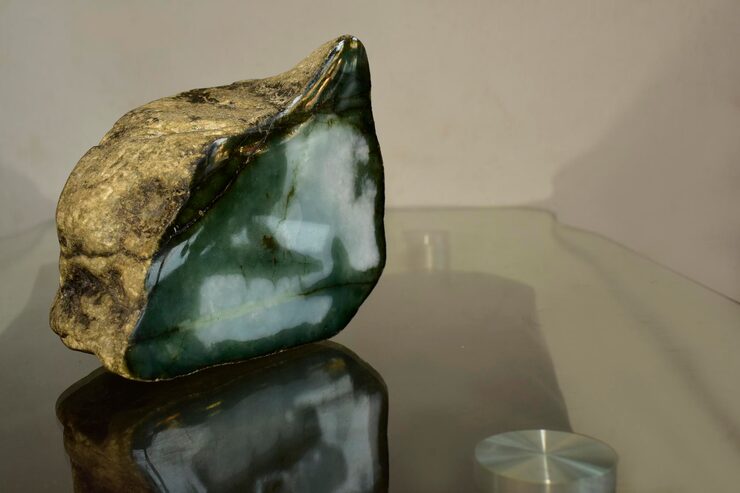
Real Jade vs Fake Jade: Why One Test Is Never Enough
One quick trick is not enough to tell how to check a real jade. A stone can feel cool, look glossy, or even make a sharp ringing sound and still be dyed, polymer-filled, or completely fake. The problem is simple: many imitations are designed to copy one surface-level trait of natural jade while failing the deeper structural tests gemologists use.
- Check multiple properties, not one clue. Real jade identification relies on consistent results across temperature, luster, hardness, density, translucency, and internal texture — not a single “cold touch” test.
- Watch for treated jade that passes casual checks. B-jade can still feel smooth and cool after polymer impregnation, while C-jade may display vivid color and shine because of dye treatments, not natural mineral quality.
- Compare texture under magnification. Natural jade shows an interlocking fibrous or granular structure. Glass often reveals bubbles or flow lines, while resin imitations may show surface films or uneven coatings.
- Combine heft, sound, and light tests. Genuine jade usually feels denser, stays cool longer, and produces a cleaner tap sound. But these only matter when they align with optical and structural inspection.
- Request lab verification for valuable pieces. FTIR, Raman, and spectroscopy testing are the reliable methods used to detect dyes, polymer impregnation, and other treatments that casual home tests miss.
Key takeaway: The biggest mistake buyers make is trusting one “magic test.” Real jade is identified through a pattern of matching properties, not a single visual or touch-based clue.
The Quality Clues That Matter Beyond “Real or Fake”
If you want to know how to check a real jade without guessing, stop at “real or fake” first. A luxury-worthy jade gift is judged by 6 details together: color, translucency, texture, polish, craftsmanship, and whether the stone is untreated Type A jade.
- Check color — Look for vivid, pure green or rich lavender with even saturation. Imperial jade is prized because intense, clean color signals rarity and prestige.
- Check translucency — Hold the jade toward soft light. Premium jade should appear semi-translucent with a gentle inner glow, not flat or chalky.
- Check texture — Run your fingers across the surface. Fine jade feels dense, cool, and silky-smooth, almost like polished soap.
- Check polish — Inspect the finish closely. High-end jade has a glass-like luster with no pitting, dull spots, or rough patches.
- Check carving quality — Precise lines, balanced proportions, and smooth edges matter. Weak carving makes even real jade feel cheap.
- Check soundness — Avoid visible fractures, cloudy patches, or cotton-like inclusions. Cracks reduce both durability and gifting value.
- Check authenticity — Ask for reputable Type A certification. Untreated jade keeps its long-term cultural and collectible value.
Key takeaway: Real jade alone is not enough for a meaningful luxury gift. The pieces people remember for decades combine natural Type A jade, refined craftsmanship, and a glow that immediately feels authentic in the hand.
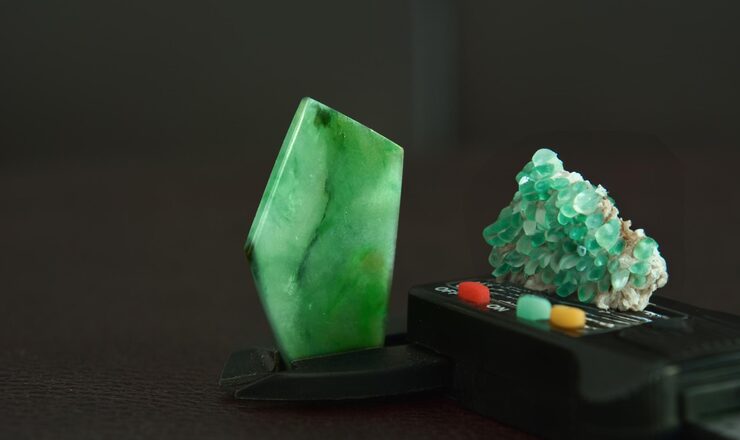
When a Jade Gift Needs Expert Verification
Stop relying on home tests once a jade gift becomes expensive, unusually flawless, or intended for formal gifting. High-grade jade is one of the hardest gemstones to judge accurately because dyed, polymer-treated, and imitation pieces can look convincing even to experienced buyers.
- Request an independent lab report for high-value jade gifts, especially above $6,000 or for heirloom-level purchases
- Question perfect appearance because flawless clarity, overly uniform color, or unnatural “neon” green often signals treatment or imitation
- Avoid seller-only certificates from in-house labs or documents without verifiable report numbers
- Treat extremely low prices cautiously since discounts 70–90% below market value usually indicate treated or synthetic material
- Verify provenance for diplomatic or VIP gifting because formal occasions often require documented authenticity and origin
- Walk away from pressure tactics if the seller pushes “today only” pricing or refuses inspection time
- Use experts for premium jadeite because sophisticated fakes can pass common scratch, temperature, or flashlight tests
One mistake people make when learning how to check a real jade is assuming home tests are enough. They help with obvious fakes, but serious buyers still rely on trusted gemological laboratories such as GIA, AGL, GRS, or Gübelin before transferring funds.
Key takeaway: A jade gift carries cultural and symbolic weight. Professional verification protects not just financial value, but also the credibility and meaning behind the gift.
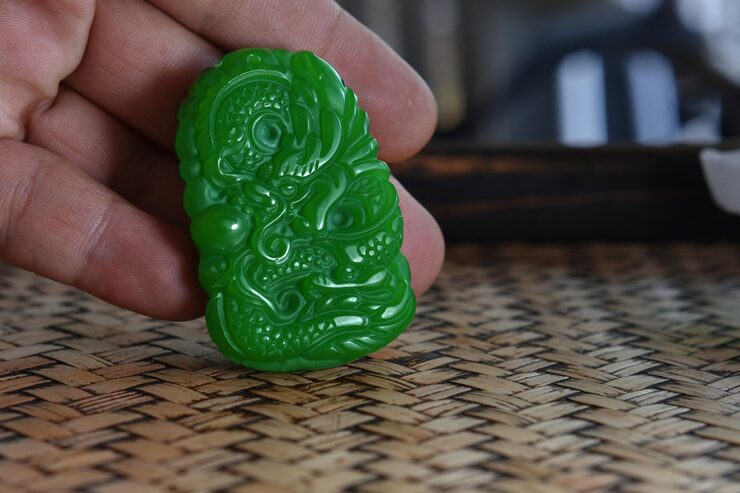
How to Choose Jade That Feels Gift-Worthy, Not Generic
A jade gift feels truly refined when craftsmanship, symbolism, presentation, and brand credibility work together. Even if you already know how to check a real jade, authenticity alone is not enough for VIP gifting. What people remember is whether the piece feels intentional, culturally meaningful, and carefully chosen.
| What to Check | Why It Matters in Formal Gifting |
|---|---|
| Craftsmanship | Clean carving, balanced proportions, smooth polishing, and precise finishing signal real artisan care. |
| Symbolic Meaning | Motifs linked to harmony, prosperity, longevity, or protection make the gift feel thoughtful rather than decorative. |
| Design Restraint | Elegant simplicity often feels more prestigious than overly ornate designs in executive or partner gifting. |
| Presentation | A rigid box, refined inserts, and a short symbolism card elevate the emotional first impression immediately. |
| Brand Credibility | Clear material descriptions, heritage storytelling, and consistent premium identity create trust for high-stakes gifting. |
A small jade pendant with elegant packaging and cultural storytelling will often feel more luxurious than a larger piece with no narrative or presentation.
Key takeaway: When choosing jade for VIP or representative gifting, don’t focus only on whether the stone is authentic. Focus on whether the entire experience reflects judgment, taste, and cultural meaning.
The hardest part about buying jade is not spotting a bright green stone. It is knowing whether the piece carries real substance behind the surface. If you are choosing a gift for a partner, executive, or important occasion, do not stop at color or “feel.” Ask for certification, transparency, and a story you would feel proud explaining years later. Explore Tân Mỹ Design’s curated cultural gifts and authentic craftsmanship at https://tanmydesign.com/ to choose something that feels worthy the moment it is opened.
FAQ: How to Check Real Jade
Can bright green jade still be fake?
Yes. Overly vivid, perfectly even color often signals dye or polymer treatment rather than natural jade.
Do bubbles mean real jade?
No. Round air bubbles under magnification usually indicate glass or polymer-filled fake jade.
Does real jade always feel cold?
Not always. Natural jade feels cool and dense, but some glass and ceramic imitations feel cool too.
Is the scratch test reliable?
No. Scratch tests can damage jade and still fail to identify treated stones accurately.
How can I spot dyed jade?
Check under different lighting. Dyed jade often looks unnaturally bright or shows color pooling in cracks.
Why is certification so important?
Only accredited gem labs can confirm “Natural Jadeite Jade” or “Type A” authenticity with confidence.
Should cheap jade be a red flag?
Usually, yes. Fine jadeite can cost hundreds to tens of thousands per carat, so extremely low prices are suspicious.
Other articles

Vietnamese Silk Scarf Motifs: Meanings & Gift Choices
Square vs Long Silk Scarf: Which Makes a Better Gift?
Hand-Embroidered vs Printed Silk Scarves: Which to Gift?
_cr_720x720_cr_336x264.jpg)
Meaningful Personalized Gifts: What Makes Them Feel Truly Special



Add: 61 Hang Gai St., Hoan Kiem Dist., Hanoi, Vietnam
Hotline: +84 936631368
Email: info@tanmydesign.com