
.png)
Cleaning Lacquered Mother of Pearl Without Damage
A lot of people think lacquered mother-of-pearl only needs a quick wipe to stay beautiful. The problem starts when a luxury gift meant to impress a partner or VIP picks up cloudy spots, fine scratches, or a dull finish after a few months on display. Mother-of-pearl is softer and more moisture-sensitive than most buyers expect, and lacquer reacts badly to heat, alcohol-based cleaners, and rough handling. If you’re giving a Vietnamese lacquer piece as a meaningful gift, knowing how to care for it is part of respecting the craftsmanship behind it.
Why lacquered mother of pearl needs gentle care
Lacquered mother-of-pearl needs gentle care because both materials are beautiful precisely where they are fragile. The lacquer surface can weaken as it ages, while the nacre inlay can scratch, dry out, crack, or lift from its base. That is why harsh cleaners, heat, soaking, and abrasive wiping often damage the finish instead of simply removing dirt.
A lot of people assume the shine sits “on top” like a protective coating. In reality, the shine comes from thin layered structures. Lacquer relies on a delicate resin network, and mother-of-pearl reflects light through microscopic layers of nacre. Once those layers are disturbed, the surface can turn cloudy, dull, or uneven very quickly.
The risky part is not only the material itself. It is also the bonding points between lacquer, shell inlay, adhesive, and wood substrate. Strong chemicals, excess moisture, or sudden temperature changes can weaken those interfaces over time, causing lifting or hairline cracking that may not appear immediately.
That is why knowing how to clean lacquered mother of pearl starts with one principle: preserve the original surface, don’t aggressively “restore” it.
Key takeaway: Lacquer and mother-of-pearl age differently, but both become vulnerable when exposed to heat, water, strong cleaners, or abrasion. Gentle cleaning protects the layered surfaces and preserves the authentic depth, glow, and craftsmanship that make these pieces valuable.
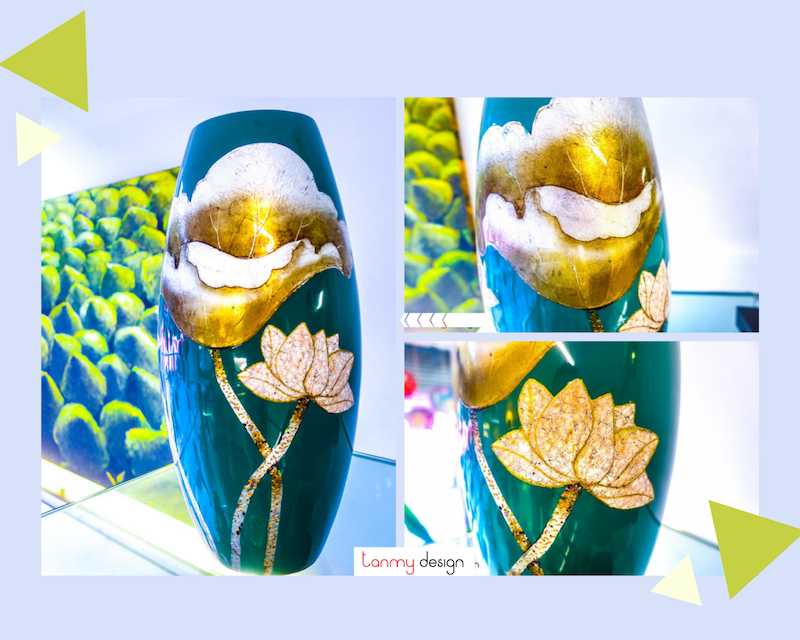
The safest way to clean lacquered mother of pearl
The safest way to clean lacquered mother of pearl is to remove dust with a very soft dry cloth first, then wipe gently with a barely damp cloth only if needed, and dry the surface immediately. The mistake most people make is using too much moisture. That is what clouds lacquer, weakens seams, and dulls the shell’s natural iridescence.
- Dust gently first using a clean microfiber, chamois, or other ultra-soft cloth. Light pressure is enough.
- Wipe lightly with minimal moisture if fingerprints or residue remain. Slightly dampen the cloth with plain water instead of applying water directly onto the piece.
- Dry immediately with a second soft cloth. Do not let moisture sit on lacquered areas, edges, or inlaid seams.
- Let the piece air-dry flat before storing, especially for decorative boxes, trays, or framed lacquer art.
- Avoid harsh cleaning methods completely. Alcohol, ammonia, detergents, steam, abrasive brushes, and ultrasonic cleaners can damage lacquer and loosen delicate inlay work.
A simple rule works best: soft cloth, barely damp if necessary, wipe gently, dry immediately.
Key takeaway: Lacquered mother of pearl does not need aggressive cleaning. Gentle handling and minimal moisture preserve both the lacquer finish and the luminous shell inlay for years.
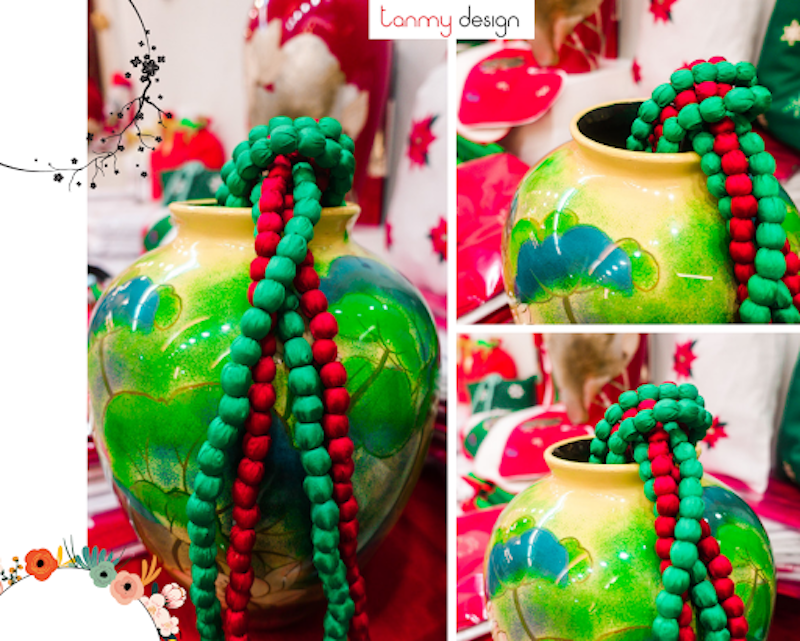
What not to use on lacquered mother of pearl
Never use harsh cleaners, abrasive tools, or soaking methods on lacquered mother-of-pearl. The biggest mistake is treating it like ordinary décor. Lacquer and nacre are both fragile materials: acids can crack the surface, alcohol can yellow the finish, and rough scrubbing can permanently remove the pearl’s natural lustre.
- Avoid acidic cleaners like vinegar, lemon, or citrus sprays. Acid weakens nacre and can leave the inlay brittle or cracked.
- Avoid alcohol-based products such as perfume, hairspray, or glass cleaner. These can dry out lacquer, causing yellowing and fine surface cracks.
- Avoid bleach, ammonia, detergent, or baking soda. Strong chemicals strip color and damage delicate inlay work.
- Avoid abrasive tools including steel wool, scouring pads, and stiff brushes. Even light pressure can scratch lacquer and dull the pearl sheen.
- Avoid soaking or rinsing in water. Moisture trapped in lacquer often creates white spots, warping, or lifting edges.
- Avoid ultrasonic or steam cleaners. Heat and vibration may loosen the inlay or fracture the lacquer surface.
- Avoid direct sunlight and heat. UV exposure fades lacquer over time, while hot objects can permanently discolor the finish.
- Avoid dragging objects across the surface. Always lift trays, vases, or tea sets instead of sliding them.
For routine care, conservators recommend only a dry or slightly damp microfiber cloth, followed by immediate drying.
Key takeaway: Lacquered mother-of-pearl is valued because of its refined surface and handcrafted detail. One harsh cleaner or aggressive scrub can damage both the lacquer and the nacre permanently, which is why gentle, conservation-style care matters.
How to protect the piece after cleaning
Protect lacquered mother-of-pearl by keeping it in a stable indoor environment, away from direct sunlight, heat, moisture swings, and chemical exposure. Proper storage and gentle handling preserve the lacquer gloss, nacre shimmer, and long-term gifting or collector value.
- Keep light soft and indirect — Display pieces away from direct sunlight, hot LEDs, or halogen lamps. UV exposure slowly dries nacre and dulls lacquer depth over time. UV-filtered glass cabinets work best for display-quality pieces.
- Maintain stable humidity and temperature — Aim for roughly 40–60% relative humidity with steady indoor temperatures. Sudden climate changes can cause cracking, warping, or adhesive failure in delicate inlay work.
- Handle less, protect more — Use clean dry hands or cotton gloves when moving the piece. Finger oils, perfume, and cosmetics leave residue that slowly reduces shine.
- Store with soft archival materials — Wrap items in acid-free tissue or soft cotton, then place them flat inside padded boxes. Avoid stacking heavy objects on top of lacquer surfaces.
- Control moisture carefully — Add silica gel packets in humid climates, but avoid fully airtight plastic containers because natural nacre benefits from slight airflow.
- Include care instructions with gifts — For premium gifting, archival packaging, provenance details, and simple care notes help preserve both condition and perceived cultural value.
Key takeaway: The biggest mistake is not the cleaning itself — it is poor storage afterward. A well-protected lacquered mother-of-pearl piece can keep its sheen, craftsmanship, and presentation value beautiful for decades.
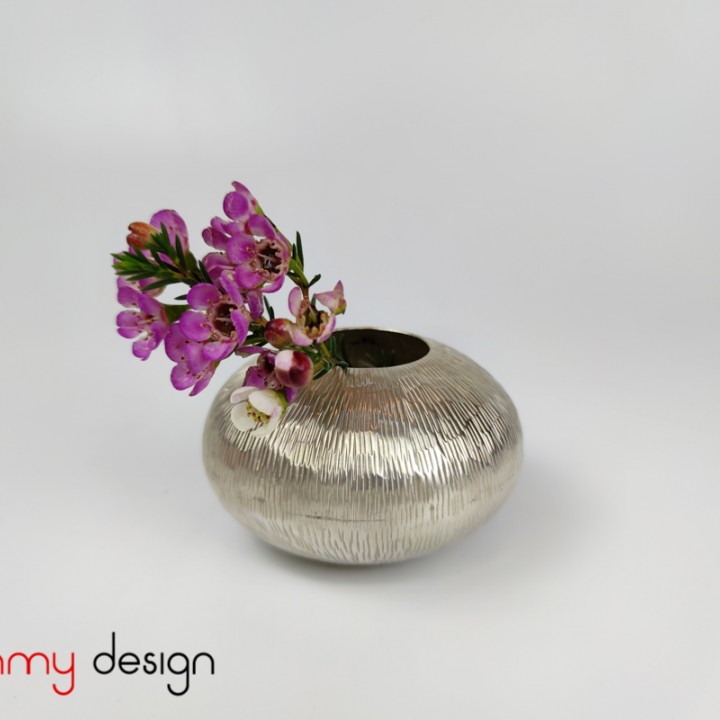
When cleaning is not enough: signs you need expert help
If a lacquered mother-of-pearl piece turns cloudy, develops cracks, or starts shedding loose inlay, stop home cleaning immediately. These changes usually mean the lacquer, shell, or adhesive layer has become unstable. Continuing to wipe, polish, or re-glue the surface at home can cause permanent damage, especially on antique or high-value Vietnamese lacquerware.
| Warning sign | What it usually means | What to do instead |
|---|---|---|
| Cloudy or hazy finish after cleaning | Water, polish, or solvents reacted badly with the lacquer | Stop cleaning and consult a lacquer conservator |
| Cracks, flaking, or lifting surface | The lacquer or substrate is failing | Avoid rubbing or dusting the damaged area |
| Loose mother-of-pearl inlay | Original adhesive has weakened | Do not use household glue or oil |
| Water marks or ring stains | Moisture has altered internal layers | Seek controlled drying and professional treatment |
| Warping or soft spots | Water damage is spreading beneath the finish | Keep the object dry and stable |
| Rare, antique, or ceremonial pieces | Small mistakes can reduce cultural and monetary value | Limit care to gentle dusting only |
A common mistake with how to clean lacquered mother of pearl pieces is assuming deeper cleaning fixes dullness or stains. On heritage lacquerware, new cloudiness or streaking often signals finish damage, not surface dirt. That is the point where conservation care matters more than another round of polishing.
Key takeaway: Gentle dusting is safe for most lacquered mother-of-pearl objects. Once you notice clouding, cracks, loose shell, or water damage, home cleaning stops being maintenance and starts becoming a risk.
Why proper care matters for a high-end Vietnamese gift
Proper care matters because lacquered mother-of-pearl is not just decorative material. It is a handcrafted Vietnamese art form that can lose its brilliance if handled carelessly. When you explain how to clean lacquered mother of pearl correctly—using a soft cloth, avoiding harsh chemicals, and protecting it from direct sunlight, you signal that the piece deserves the same respect as fine art or an heirloom object.
That changes how the gift is perceived. A high-end lacquer tray or wall panel no longer feels like a generic souvenir sitting in a gift box. It feels intentional. Curated. Worth preserving. This is especially important when the recipient is an international executive or VIP client unfamiliar with the material’s sensitivity. Clear care guidance reduces the risk of accidental damage while quietly reinforcing the craftsmanship behind every lacquer layer, shell inlay, and hand-polished surface.
The deeper value is trust. Brands that openly explain maintenance show confidence in their materials and long-term quality. In luxury gifting, that matters more than people think. A beautiful object gets attention once. A well-preserved object keeps representing the giver, the brand, and Vietnamese craftsmanship for years.
Key takeaway: Proper care instructions do more than protect lacquered mother-of-pearl surfaces. They elevate the cultural meaning, craftsmanship value, and prestige of the gift itself.
The easiest mistake is treating lacquered mother-of-pearl like an everyday decorative object. It isn’t. A soft cloth, careful storage, and distance from moisture or chemicals will preserve the shine and depth that make these pieces feel worthy of an important gift. If you’re looking for authentic Vietnamese lacquerware with the kind of cultural story and craftsmanship people remember long after the occasion, explore Tân Mỹ Design’s collection at https://tanmydesign.com/ and choose a piece made to be kept, not replaced.
FAQ
Can I use water alone, or do I need soap?
Use a soft dry cloth first. Add a small amount of mild soap with slightly damp water only when needed. Avoid soaking lacquered mother of pearl.
Is warm water better than cold water?
Use cool or lukewarm water. Hot water can weaken lacquer layers and affect the shell’s surface over time.
Should I polish before or after cleaning?
Clean first, polish second. Dust or grit left on the surface can scratch delicate lacquer during polishing.
Will polishing fix dullness or damage?
Not always. Light polishing may improve shine, but cloudiness, cracks, or lifting inlay often need professional restoration.
How often should I clean lacquered mother of pearl?
Dust gently every few weeks. Clean more carefully after frequent handling, humid exposure, or before display gifting.
What does cloudiness mean?
Cloudiness can mean moisture buildup, residue, or lacquer aging. Stop using cleaning products and consult an expert if it persists.
How should I prepare it before gifting?
Clean gently before wrapping, avoid chemical sprays, and include simple care instructions. A well-kept lacquer piece feels far more meaningful as a heritage gift.
When should I ask an expert for help?
Seek professional care for antique, cracked, valuable, or heavily worn pieces. Don’t experiment with strong cleaners on handcrafted lacquerware.
Other articles

Vietnamese Silk Scarf Motifs: Meanings & Gift Choices
Square vs Long Silk Scarf: Which Makes a Better Gift?
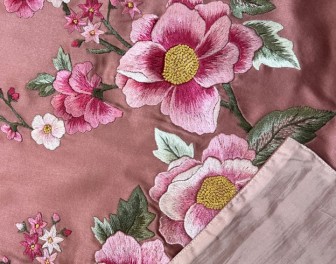
Hand-Embroidered vs Printed Silk Scarves: Which to Gift?
_cr_720x720_cr_336x264.jpg)
Meaningful Personalized Gifts: What Makes Them Feel Truly Special



Add: 61 Hang Gai St., Hoan Kiem Dist., Hanoi, Vietnam
Hotline: +84 936631368
Email: info@tanmydesign.com