
.png)
How Much Should Handmade Embroidery Cost? A Buyer’s Guide
A $30 embroidered gift and a $300 one may look similar at first glance. The real difference is often time: a single fine embroidery piece can require more than 100 hours of handwork, especially when artisans use hidden-knot or double-sided techniques. For anyone choosing a gift for an important client or partner, a fair price is the one that reflects genuine craftsmanship, not tourist-shop packaging.
Why Handmade Embroidery Costs More Than Most Buyers Expect
Handmade embroidery pricing is higher than many buyers expect because you are paying for skilled labor, not just fabric and thread. Even a small piece can take hours of design transfer, stitching, correction, and finishing, and the visible materials are often the least expensive part.
The biggest cost driver is time. A detailed motif with dense stitching may require more work than a larger design with open space. Technical difficulty adds another layer: artisans must control stitch tension, thread behavior, and fabric stability to avoid puckering or distortion. In traditional Vietnamese embroidery, the price also reflects cultural value. You are investing in a one-of-a-kind work that preserves techniques passed down through generations.
Many buyers judge embroidery by size or material cost. That is where expectations break down. In handmade embroidery, the true cost lies in the hours of concentration, experience, and heritage condensed into every stitch.
Key takeaway: Handmade embroidery is expensive because most of its value is invisible. You are paying for time, mastery, and cultural authenticity woven into a piece that cannot be mass-produced.
What Determines Handmade Embroidery Pricing?
Handmade embroidery pricing is determined by more than the word “handmade.” A fair price reflects the real cost of materials, labor time, and business overhead, then adds a justified premium for design complexity, artisan skill, cultural significance, and brand trust. The key is simple: the higher the price, the stronger the proof should be.
- Materials: Better fabrics, specialty threads, quality backing, and refined finishing increase both cost and durability.
- Labor hours: Hand embroidery is time-intensive. Preparation, stitching, trimming, and final inspection often account for the largest share of the price.
- Design complexity: Dense stitching, multiple colors, custom patterns, and advanced techniques require more time and carry higher rework risk.
- Artisan expertise: Years of practice show up in stitch consistency, clean finishing, and the ability to execute difficult motifs.
- Cultural heritage: Pieces rooted in documented craft traditions can command a premium when provenance is clearly stated.
- Brand reputation: Established makers often charge more because they offer reliable quality, transparent sourcing, and a consistent gifting experience.
When comparing options, ask for specifics: material details, estimated labor hours, artisan background, and process photos. If a seller claims exceptional craftsmanship or heritage value, the documentation should rise to match the claim.
Key takeaway: Handmade embroidery pricing is evidence-based. You are paying for proven materials, skilled labor, cultural authenticity, and the confidence that the piece is worthy of a meaningful gift.
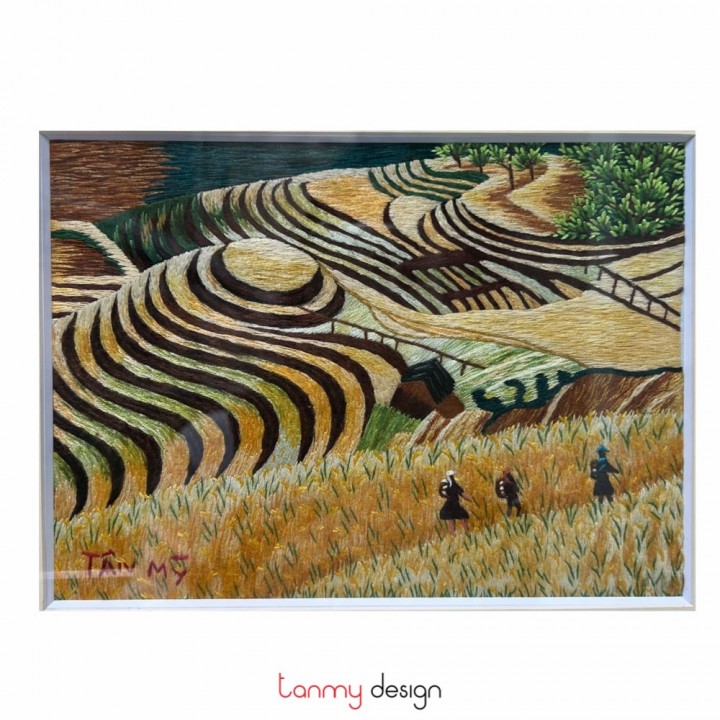
Handmade vs Machine Embroidery: Why the Price Difference Is So Large
| Factor | Handmade Embroidery | Machine Embroidery |
|---|---|---|
| Production time | Each stitch is formed by hand, so even a modest design can take hours or days. | Completed quickly, even for complex or repeat designs. |
| Uniqueness | Every piece carries subtle variations that reflect the artisan’s hand. | Highly consistent, with near-identical results across multiple pieces. |
| Surface depth | Rich texture, layered stitches, and visible dimensional detail. | Smoother, tighter, and more uniform in appearance. |
| Artistic value | Often treated as a collectible craft piece or heirloom. | Valued for efficiency and precision rather than one-of-a-kind character. |
| Gift suitability | Best for meaningful, commemorative, and emotionally significant gifts. | Ideal for monograms, logos, or polished gifts on shorter timelines. |
The large gap in handmade embroidery pricing comes down to time, individuality, and artistic value. Handmade embroidery is slower and more labor-intensive, but each piece carries the visible touch of the artisan, which gives it greater emotional and cultural significance.
Machine embroidery delivers speed and consistency, making it practical for uniform or bulk production. Handmade embroidery, by contrast, is chosen when the gift itself is meant to feel personal, authentic, and worthy of being kept for years.
Key takeaway: If you want an heirloom-quality gift with real human craftsmanship, handmade embroidery justifies its higher price. Machine embroidery is the better fit when speed, consistency, and repeatability matter most.
How to Tell If Handmade Embroidery Is Worth the Price
You can judge whether handmade embroidery pricing is fair by checking six things you can see, feel, and verify: stitch control, layering, back finishing, materials, design story, and seller proof. When most of these are strong, a higher price usually reflects real craftsmanship rather than decorative markup.
- Look for controlled stitches. Good hand embroidery has even tension, consistent stitch size, and threads that lie flat. Slight irregularity is normal; puckering, gaps, and distortion are not.
- Check the layering. Dense stitching should create depth and shading without making the fabric stiff or warped.
- Turn the piece over. The back should show secure starts and finishes with few loose threads or long jumps.
- Assess the materials. Linen, cotton, and silk paired with quality threads tend to age better and hold detail more cleanly.
- Ask about the story. Regional techniques and traditional motifs add meaning and often reflect years of specialized skill.
- Verify the maker. A credible seller can explain who made the piece, how it was produced, and whether any machine assistance was used.
Key takeaway: A beautiful embroidery piece is worth a premium when the craftsmanship is visible, the materials are sound, and the seller can clearly prove its origin. If the story and workmanship are both hard to verify, treat the price with caution.
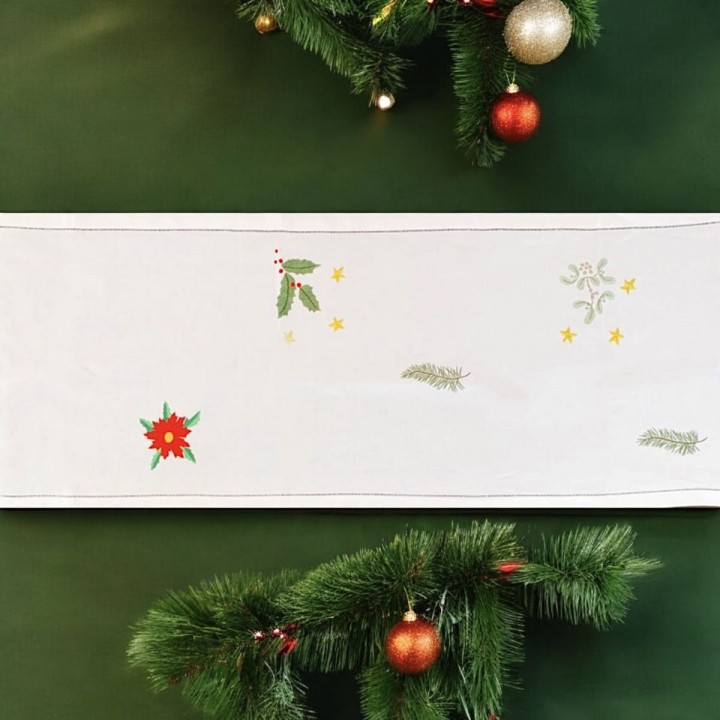
Handmade Embroidery Price Ranges: What You Can Expect to Pay
Handmade embroidery pricing usually falls into three clear tiers: under $50 for small, thoughtful pieces, $50 to $200 for substantial gifts with noticeably better materials and finishing, and $200 to $1,000+ for heirloom-quality or luxury embroidery with intensive handwork and stronger symbolic value.
- Under $50: Small embroidered ornaments, pouches, or framed accents. Expect authentic craftsmanship, but in compact formats with limited labor. Best for host gifts or tasteful tokens.
- $50–$200: Higher-quality textiles, sharper detailing, and more design refinement. This is the sweet spot for meaningful personal or professional gifts that feel intentional and well made.
- $200–$1,000+: Museum-worthy embroidery, premium silk or linen, and many hours of hand stitching. Pieces in this range often feel commemorative, collectible, or suitable for VIP gifting.
- Above $1,000: Rare or one-of-a-kind works where value comes from exceptional artistry, cultural significance, and prestige.
Price is a strong signal, but it is not proof of craftsmanship. Branding and category norms also influence cost, so the best pieces combine fine workmanship with a story you would feel proud to share.
Key takeaway: In handmade embroidery, price reflects more than materials. It reflects labor, artistry, and the significance of the gift itself.

When Paying More Makes Sense for Important Gifts
Paying more for handmade embroidery pricing makes sense when the gift needs to convey respect, cultural understanding, and careful judgment. In high-stakes relationships, the real value is not the object itself, but the story behind it: who made it, what tradition it represents, and why you chose it.
A premium hand-embroidered piece is worth the investment when the recipient is a key partner, board member, diplomat, or VIP, and the occasion carries symbolic weight, such as an official visit, milestone anniversary, or formal welcome. In these moments, a generic luxury gift can feel convenient. Authentic Vietnamese craftsmanship feels intentional.
A simple rule: pay more when at least three factors are true—this is an important relationship, the exchange is highly visible, cultural authenticity matters, and a generic gift would feel forgettable. If provenance is unclear or the recipient is unlikely to notice the distinction, the premium is harder to justify.
Key takeaway: The best important gifts are remembered for their meaning, not their price tag. When handmade embroidery tells a genuine cultural story, paying more is often the wiser choice.
Why Tân Mỹ Design Represents Exceptional Value
Tân Mỹ Design offers exceptional value when you want a premium Vietnamese gift with real heritage behind it. The brand’s story is backed by independently checkable signals, including its 1969 founding, a 50th-anniversary celebration in 2019, four generations of embroidery craftsmanship, and recognition from Hanoi tourism authorities.
- Documented heritage: Tân Mỹ’s history spans more than five decades, giving your gift a story that feels authentic rather than manufactured.
- Multi-generational craftsmanship: The embroidery tradition has been passed down through four generations of Hanoi artisans, adding cultural depth to each piece.
- Strong legitimacy signals: The store has been featured in independent media and recognized by the Hanoi Department of Tourism.
- Prestigious clientele: Diplomatic and VIP visitors reinforce the brand’s reputation as a trusted destination for representative gifts.
- Distinctive story value: Few gifts combine visible handwork, Vietnamese cultural heritage, and a brand narrative this well.
- Premium gifting potential: When paired with verified craftsmanship and polished packaging, the result feels meaningful and presentation-ready.
Key takeaway: Tân Mỹ Design stands out because it combines verifiable heritage with refined craftsmanship. For high-stakes gifting, that blend of authenticity, cultural significance, and presentation can justify a premium price.
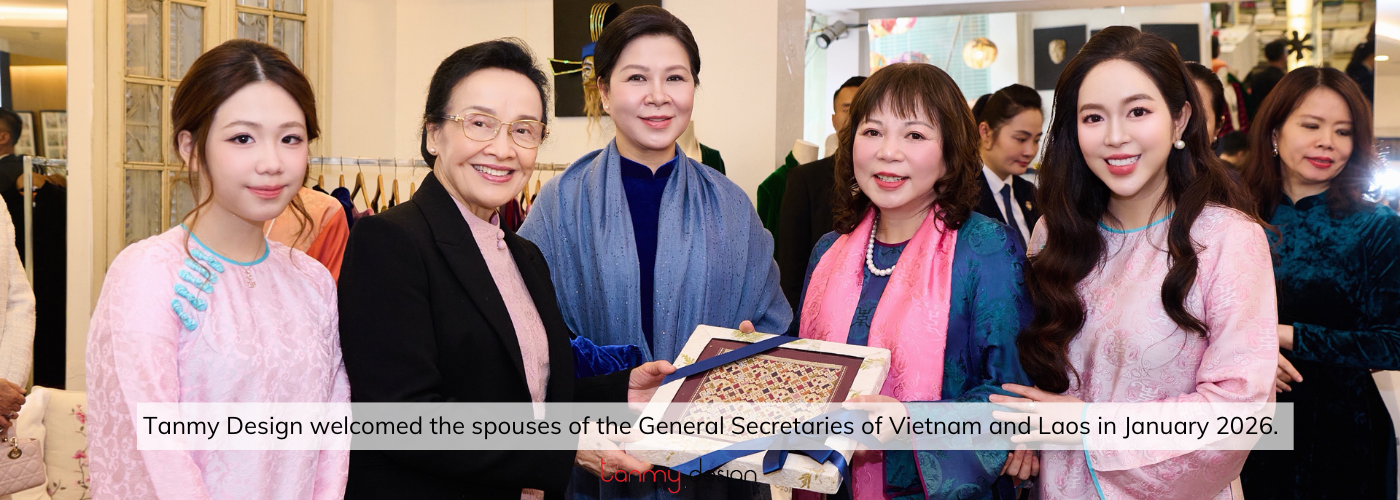
When embroidery is truly handmade, the price tells the story of the artisan’s time, skill, and cultural heritage. That is what turns a beautiful object into a gift with meaning. If you are looking for a Vietnamese embroidery piece worthy of an important relationship, explore Tân Mỹ Design to find handcrafted gifts that carry both authenticity and the quiet elegance of Hanoi’s craft tradition.
FAQ (Frequently Asked Questions)
Why is handmade embroidery pricing so different from one piece to another?
Prices vary based on labor time, stitching skill, design complexity, material quality, and how much of the work is genuinely done by hand.
How can I tell if a high price is justified?
A premium price makes sense when at least four factors are clearly strong: skill, authenticity, complexity, materials, time, and seller credibility.
Does “handmade” always mean higher value?
No. “Handmade” alone is not enough. The workmanship should show even stitching, refined detail, and subtle variations that indicate real hand embroidery.
Where should I buy authentic Vietnamese embroidery?
Choose established workshops or trusted retailers that can explain who made the piece, what materials were used, and why it is priced that way.
Other articles
Vietnamese Silk Scarf Motifs: Meanings & Gift Choices
Square vs Long Silk Scarf: Which Makes a Better Gift?
Hand-Embroidered vs Printed Silk Scarves: Which to Gift?
_cr_720x720_cr_336x264.jpg)
Meaningful Personalized Gifts: What Makes Them Feel Truly Special



Add: 61 Hang Gai St., Hoan Kiem Dist., Hanoi, Vietnam
Hotline: +84 936631368
Email: info@tanmydesign.com