
.png)
Hanoi Gemstone Market: What to Know Before Buying
A lot of visitors walk into the Hanoi gemstone market thinking the biggest risk is paying too much. The bigger risk is buying a stone with no real story, no traceable origin, and no confidence when it leaves your hand as a gift. Tucked inside Alley 456 Hoang Hoa Tham, this Sunday market has around 20 stalls selling Luc Yen rubies, Nghe An sapphires, and custom-made jewelry pieces that feel far more personal than mass-produced boutique gifts. The catch is simple: the market rewards buyers who know what they are looking for, and punishes people chasing “luxury” without asking the right questions.
What Is the Hanoi Gemstone Market?
The Hanoi gemstone market is a small but highly specialized Sunday-only trading market where local miners, gemstone dealers, collectors, and jewelry buyers gather to buy and inspect natural stones from across Vietnam. Most activity happens at Alley 456 Hoàng Hoa Thám Street, with around 20 stalls operating between 8:00 AM and 2:00 PM.
- Visit the main market on Sundays at Hoàng Hoa Thám Street, if you want access to loose stones, raw minerals, and dealer-level pricing.
- Expect Vietnamese-origin gemstones such as ruby, sapphire, spinel, quartz, and topaz sourced from Lục Yên, Nghệ An, Thanh Hóa, and Bình Thuận.
- Inspect both natural and synthetic stones because the market sells a mix of untreated, treated, and artificial gemstones.
- Use the on-site certification counter for valuable purchases since quality-check equipment is available inside the market.
- Prepare cash payments only because transactions are typically handled directly between buyers and sellers.
- Consider permanent gemstone streets like Lê Thánh Tôn or Hàng Bạc if you cannot visit on Sunday or prefer formal jewelry shops.
- Verify the market schedule before traveling because most documented reports date back several years, although recent traveler videos suggest the market is still active.
Key takeaway: The hanoi gemstone market is less like a luxury showroom and more like a real trading floor for Vietnam’s gemstone industry. That’s exactly why experienced buyers visit not for polished retail branding, but for access, provenance, and the chance to inspect stones directly before buying.
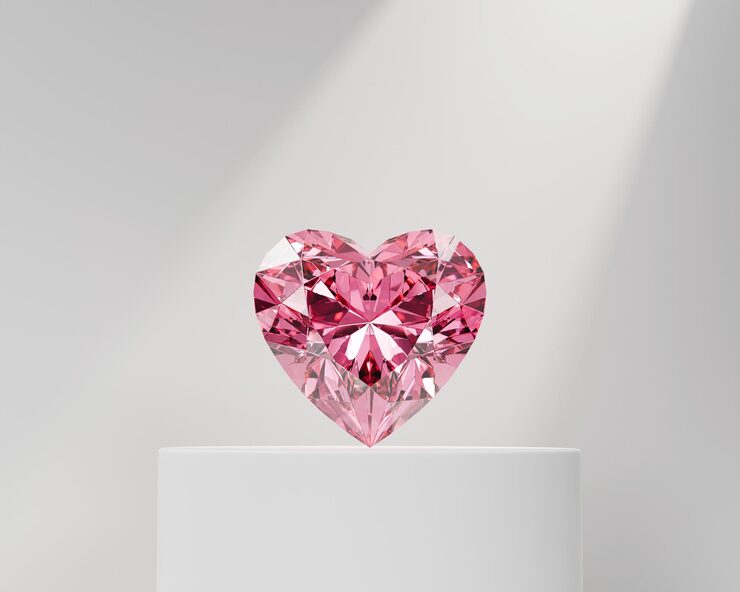
What Can You Buy There and What Should You Be Careful About?
At the Hanoi gemstone market, you’ll find everything from natural ruby and sapphire to treated stones, lab-grown gems, and cheap glass imitations. The mistake many first-time buyers make is assuming “beautiful” means “valuable.” In reality, a perfectly clean, vividly colored stone at a low price is usually synthetic or imitation.
| What You’ll Find | Warning Sign |
|---|---|
| Natural gemstones | No lab certificate for high-value stones |
| Treated stones | Seller avoids disclosing treatment |
| Synthetic gems | “Too perfect” but surprisingly affordable |
| Glass or imitation stones | Sold as “authentic ruby” or premium jade |
Before buying, do 5 quick checks: touch the stone, inspect bead holes, look for bubbles, examine facet edges, and compare weight. Ask directly whether the gem is natural, treated, synthetic, or imitation — and request a GIA or IGI certificate for expensive purchases.
Key takeaway: In the hanoi gemstone market, authenticity matters more than appearance. Natural stones usually show character and imperfections. If every stone looks flawless, perfectly matched, and cheap, walk away.
Is the Hanoi Gemstone Market a Good Place to Buy Premium Gifts?
The Hanoi gemstone market can work for premium gifting, but mainly when the value comes from story, provenance, and Vietnamese cultural meaning rather than luxury presentation. It is a stronger place to source an authentic gemstone with local character than to buy a fully polished VIP-ready gift straight from the display counter.
For corporate partners or ceremonial gifting, the real advantage is trust layered with narrative. Some vendors provide certificates, products are reportedly checked for origin and quality, and the market is known as a place to learn about Vietnamese gemstones rather than just buy souvenirs. That makes the gift easier to explain and more meaningful in a relationship-building context.
The weak point is presentation. Many stones are displayed in simple trays or cardboard setups, so the market itself does not automatically deliver the “luxury experience” expected for high-level gifting. If you need something that immediately feels prestigious, the better approach is to buy the gemstone there, then upgrade it with custom mounting, elegant packaging, and a short provenance card explaining the stone’s symbolism and origin.
Key takeaway: The Hanoi gemstone market is a good sourcing destination for culturally meaningful gifts with authentic local character. It is less ideal for buyers who need luxury-brand presentation without additional customization.
Gemstone Market vs Cultural Gift Boutique: How to Choose
A Hanoi gemstone market is better for buyers who enjoy discovery, negotiation, and the excitement of finding a rare stone. A heritage boutique like Tân Mỹ Design is the safer choice when the gift must feel culturally meaningful, refined, and reliable from presentation to provenance.
| Choose a Hanoi gemstone market when… | Choose a heritage cultural boutique when… |
|---|---|
| You enjoy exploring many stalls, colors, cuts, and price ranges | You need a premium gift with low risk of rejection |
| You want price flexibility and room to negotiate directly | You want consistent quality, polished packaging, and aftercare |
| You are comfortable inspecting stones or arranging verification later | You need clear provenance and a stronger cultural story |
| You are hunting for one-off, collector-style, or raw gemstones | You are buying for VIP clients, executives, elders, or formal occasions |
| The recipient values rarity and discovery | The recipient values heritage, craftsmanship, and social appropriateness |
A lot of buyers think the decision is about price. In reality, it is about gifting risk. A gemstone from a Hanoi gemstone market can feel exciting and personal, but it also asks the buyer to judge authenticity, grading, and presentation themselves. That works for collectors and design-savvy recipients. It becomes stressful when the gift carries business or family meaning.
Key takeaway: Choose a gemstone market for exploration and rarity. Choose a heritage boutique when cultural credibility, presentation, and confidence matter more than the thrill of the hunt.
A Practical Buying Route in Hanoi
The safest way to explore the Hanoi gemstone market without risking an underwhelming gift is to split the trip in two: use the gemstone market for discovery and small keepsakes, then buy the main gift from a reputable lacquerware, silk, or handicraft boutique with clear provenance and premium packaging.
- Start with discovery at the gemstone market. Browse small gemstone alleys or specialist streets first to compare colors, cuts, and pricing. This part is great for low-risk purchases like beads, charms, or decorative stones where bargaining and exploration are part of the experience.
- Limit market purchases to smaller items. Many travelers make the mistake of buying a “VIP gift” directly from an informal market stall. The fun is real, but authenticity and presentation can vary. Buy larger-value gemstone pieces only when certification is available.
- Move to a vetted craft boutique for the main gift. Choose lacquerware, silk, or curated Vietnamese handicrafts from established ateliers or heritage-focused stores. The difference is not just quality, it is provenance, storytelling, and presentation-ready packaging.
- Ask for the artisan story. A signed card, workshop background, or village origin often matters more than the object itself when gifting to partners, executives, or VIP guests.
- Finish with final checks. Confirm certificates for gemstones, plus packaging, repair, or return policies for crafts before purchasing.
Key takeaway: The best Hanoi gemstone market experience combines discovery with control. Explore the market for atmosphere and smaller finds, then rely on trusted Vietnamese craft boutiques for the gift that truly represents culture, refinement, and credibility.
The Hanoi gemstone market works best when you treat it as a place to find cultural meaning, not guaranteed investment-grade stones. If you are choosing a gift for an important partner, client, or VIP guest, the safest path is usually a refined mid-range piece with a strong Vietnamese story behind it, paired with thoughtful craftsmanship and trusted presentation. That is where Tân Mỹ Design becomes valuable: helping turn authentic Hanoi materials and heritage into gifts that feel worthy the moment they are received. Explore Tân Mỹ Design to find Vietnamese cultural gifts with the elegance, provenance, and refinement that generic souvenir shopping rarely delivers.
FAQ: Hanoi Gemstone Market
Where is the Hanoi Gemstone Market?
The Hanoi Gemstone Market is held at Alley 456 Hoang Hoa Tham Street in the Ba Dinh–Cau Giay area. It operates only on Sundays, usually from 8:00 AM to 2:00 PM.
How do I know if gemstones are authentic?
Ask for a GIV certificate. Natural gemstones also show small inclusions, slight color variation, and minor facet wear under light. Stones that look “too perfect” are often synthetic or glass.
Can tourists bargain at the market?
Yes. Bargaining is normal in Hanoi markets, especially for jewelry, souvenirs, and handicrafts. Stay polite, compare prices between vendors, and avoid rushing into the first offer.
Is the Hanoi gemstone market safe for tourists?
Generally yes, but crowded areas attract pickpockets. Use a secure bag, avoid displaying cash or luxury items, and be cautious with overly aggressive sellers.
What should I avoid buying in Hanoi?
Avoid antiques without export documents and souvenirs made from animal parts like horn, shell, bone, or feathers. These can create customs issues when traveling home.
What are good alternatives to gemstones for premium gifts?
Vietnamese silk, lacquerware, handcrafted ceramics, tea hampers, and artisan bamboo products make elegant cultural gifts. They are easier to pack and often carry stronger Vietnamese heritage stories.
Where can I buy authentic Vietnamese silk in Hanoi?
Van Phuc Silk Village is the most trusted option for authentic silk with better pricing than many Old Quarter shops. Ready-made áo dài are also widely available on Luong Van Can Street.
Other articles

Vietnamese Silk Scarf Motifs: Meanings & Gift Choices
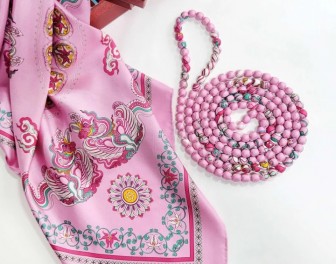
Square vs Long Silk Scarf: Which Makes a Better Gift?
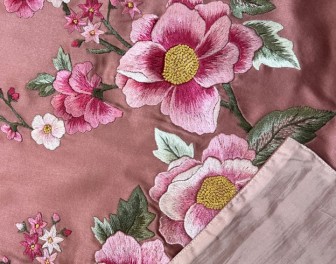
Hand-Embroidered vs Printed Silk Scarves: Which to Gift?
_cr_720x720_cr_336x264.jpg)
Meaningful Personalized Gifts: What Makes Them Feel Truly Special


Add: 61 Hang Gai St., Hoan Kiem Dist., Hanoi, Vietnam
Hotline: +84 936631368
Email: info@tanmydesign.com