
.png)
Traditional Vietnamese Embroidery: Meaning & Gift Value
A diplomatic gift should feel personal, not pulled from an airport shelf. That’s why traditional Vietnamese embroidery shaped by more than 700 years of craftsmanship still carries weight in the world’s most meaningful exchanges. Every hand-stitched detail reflects patience, heritage, and the quiet artistry Vietnam is known for, turning a simple gift into something the recipient remembers long after the occasion ends.
What Is Traditional Vietnamese Embroidery?
Traditional Vietnamese embroidery is a 700-year-old handcraft that transforms silk thread into lifelike artwork through meticulous hand stitching. Unlike printed or machine-made decoration, it is valued for its painterly realism, one-of-a-kind artistry, and deep cultural meaning qualities that make it a refined and prestigious gift.
What sets traditional Vietnamese embroidery apart is the human craftsmanship behind every detail. Artisans use layered stitching, ultra-fine silk thread splits, and hundreds of color gradations to create depth, softness, and realism that often resemble oil paintings or photographs. Each piece can take weeks or even months to complete, combining technical mastery with artistic judgment passed down through generations.
Beyond decoration, Vietnamese hand embroidery carries cultural and emotional value. Handmade embroidered silk scarves, artworks, and bespoke pieces are often chosen for VIP gifting because they communicate respect, heritage, and thoughtful refinement in a way mass-produced products cannot.
Key takeaway: Traditional Vietnamese embroidery is not simply decoration — it is textile fine art shaped by heritage, patience, and human artistry. Its rarity and cultural depth make it especially meaningful for high-end gifting and representative occasions.
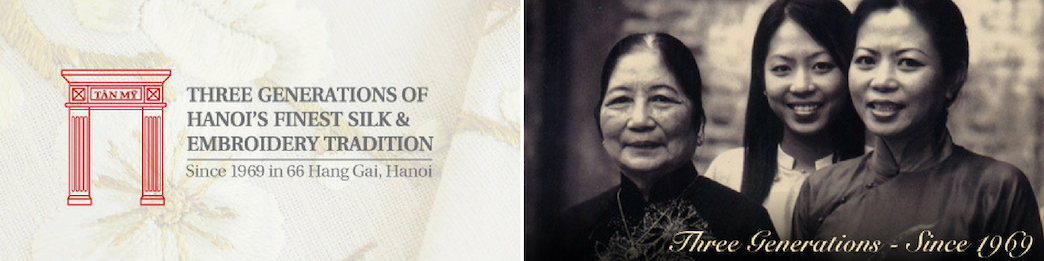
Why Traditional Vietnamese Embroidery Carries Cultural Meaning
Traditional Vietnamese embroidery carries cultural meaning because the gift reflects visible handmade labor, symbolic Vietnamese motifs, and traceable provenance. Together, these elements communicate respect, care, and cultural connection in a way mass-produced luxury goods often cannot. A hand-embroidered piece feels personal because it represents both artistic effort and shared cultural memory.
| Cultural Element | Why It Matters in Gift Giving |
|---|---|
| Handmade labor | Detailed stitching and time-intensive craftsmanship signal sincerity, effort, and thoughtful selection. |
| Vietnamese motifs | Traditional patterns often represent blessings, regional identity, prosperity, or family heritage, turning the gift into a meaningful message rather than decoration alone. |
| Provenance | Knowing the artisan, craft village, or embroidery technique adds authenticity and preserves cultural heritage. |
| Emotional connection | Recipients often keep and display embroidered gifts because they carry story, memory, and personal meaning. |
| Respect over status | Handmade cultural gifts feel refined and considerate, while generic luxury items may appear impersonal. |
A well-chosen embroidered gift becomes more than a beautiful object. It represents cultural appreciation, human craftsmanship, and the giver’s personal intention toward the recipient.
Key takeaway: Traditional Vietnamese embroidery is valued not only for its beauty, but for the cultural story, artisan skill, and emotional meaning woven into every piece.
Why Hand Embroidery Has Higher Gift Value Than Mass-Produced Souvenirs
Traditional Vietnamese embroidery holds higher gift value because it reflects visible human craftsmanship, cultural depth, and deliberate intention—qualities mass-produced souvenirs rarely convey. In high-stakes gifting, a hand-embroidered piece signals respect, seriousness, and thoughtful investment rather than a last-minute purchase.
Unlike factory-made souvenirs produced in minutes, hand embroidery can require over 100 hours of artisan work and carries subtle variations that make every piece unique. The recipient does not just receive an object, but a story shaped by Vietnam’s 700-year embroidery heritage, symbolic motifs like lotus flowers or dragonflies, and the artisan’s skill. This transforms the gift into a cultural artifact rather than a generic keepsake.
The difference becomes especially important in business and diplomatic settings. Bespoke embroidery—through custom fabrics, colors, and designs—shows intentionality and cultural sensitivity. That emotional and storytelling value helps strengthen relationships in ways mass-produced items, often viewed as impersonal tourist products, cannot achieve.
Key takeaway: A hand-embroidered Vietnamese gift carries meaning, heritage, and human effort that recipients can immediately recognize. That depth makes it more memorable, prestigious, and appropriate for important relationships and representative occasions.
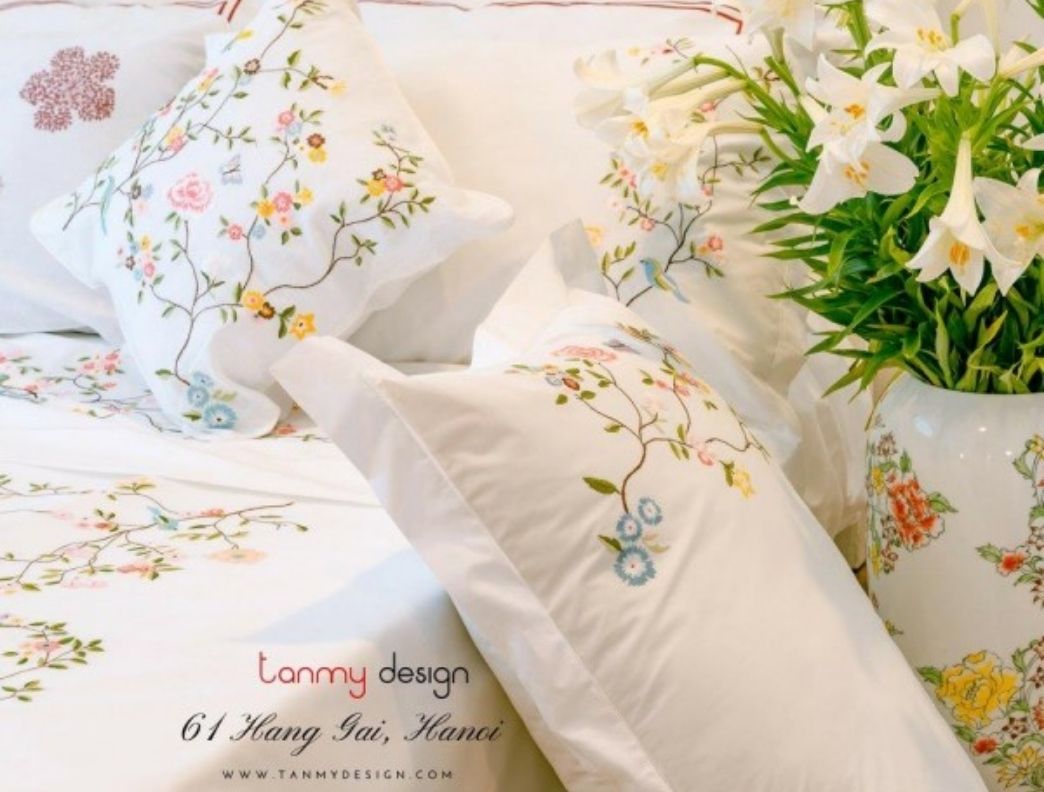
How to Recognize Authentic Vietnamese Hand Embroidery
Authentic traditional Vietnamese embroidery is best identified by its stitchwork, finishing quality, materials, and clear artisan provenance. Genuine hand embroidery shows subtle irregularities, layered shading, and a neatly imperfect reverse side, while mass-produced “Vietnamese-style” products often look overly uniform, glued, or machine-backed.
| What to Check | Signs of Authentic Hand Embroidery | Red Flags |
|---|---|---|
| Stitching | Mixed hand stitches, smooth shading, slightly varied stitch lengths | Perfectly identical patterns or flat printed surfaces |
| Reverse Side | Visible knots, thread ends, natural irregularity | Plastic backing or mirrored machine stitching |
| Materials | Silk or high-grade cotton thread on quality fabric | Thin synthetic fabric or shiny polyester thread |
| Finishing | Hand-rolled hems, secure knots, clean edges | Glue marks, heat-sealed seams, fusible backing |
| Provenance | Named artisan, village, or workshop with process details | Vague “Vietnam-inspired” descriptions |
| Pricing | Reflects time-intensive craftsmanship | Extremely cheap despite “handmade” claims |
Small imperfections are often the clearest proof of real handwork. In traditional Vietnamese embroidery, authenticity comes from the artisan’s touch, not factory-perfect uniformity.
Key takeaway: Turn the piece over, inspect the stitching closely, and ask specific questions about the maker and materials. Authentic embroidery always carries visible evidence of human craftsmanship and cultural origin.
Why Provenance Matters: The Role of a Trusted Craft House
A trusted craft house gives traditional Vietnamese embroidery greater meaning because it proves the piece carries real heritage, skilled workmanship, and a traceable maker story. In premium gifting, that provenance reassures the giver while helping the recipient see the gift as culturally valuable rather than simply decorative.
| What Provenance Signals | Why It Matters in Premium Gifting |
|---|---|
| Brand history | A long-standing craft house reduces purchase anxiety and signals credibility, consistency, and cultural legitimacy. |
| Maker continuity | Ongoing craftsmanship suggests the embroidery is intentional, refined, and not mass-produced. |
| Customer reputation | Positive recognition and reviews create social proof, especially important for high-visibility business gifting. |
| Showroom experience | Seeing and touching the work in person makes authenticity feel verifiable and memorable. |
| Cultural storytelling | A real artisan and heritage story gives the gift emotional depth and stronger symbolic value. |
Key takeaway: In traditional Vietnamese embroidery, provenance elevates the gift beyond aesthetics. When heritage, craftsmanship, reputation, and presentation align, the giver appears more thoughtful and discerning, while the recipient receives something with lasting cultural significance.
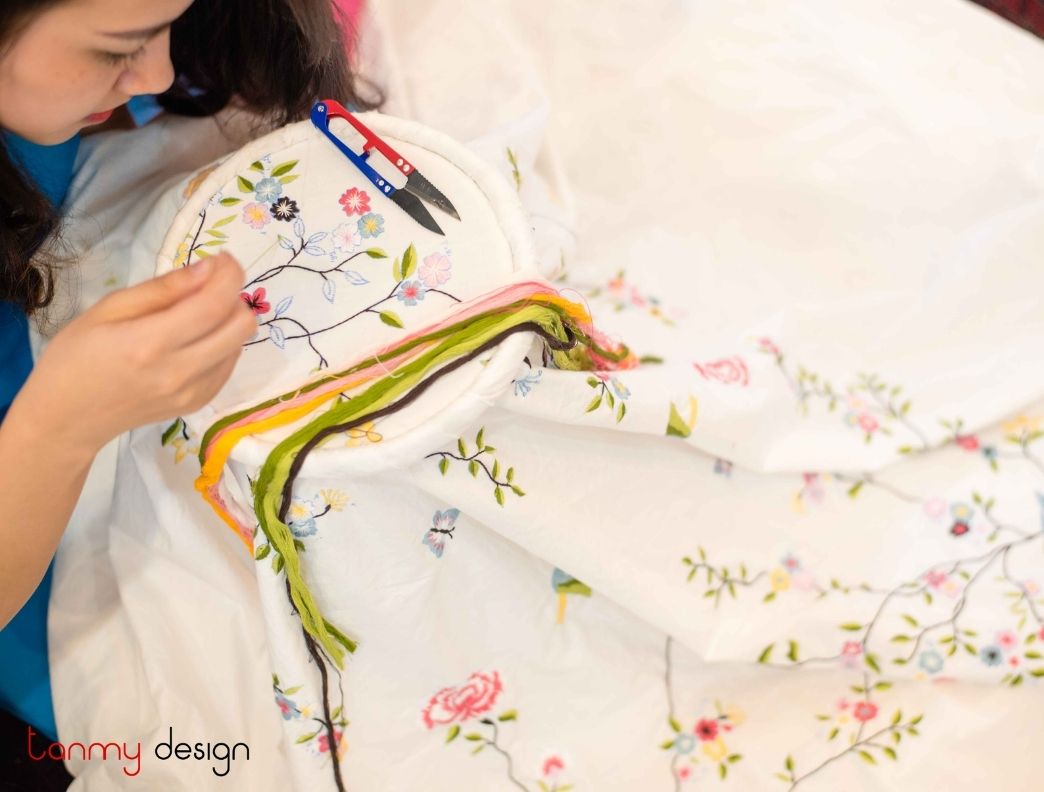
Where Traditional Vietnamese Embroidery Fits Among Premium Vietnamese Gifts
Traditional Vietnamese embroidery stands out when the goal is to give something deeply personal, culturally meaningful, and visibly handcrafted. Unlike silk, lacquerware, or ceramics that project broader luxury or prestige, embroidery communicates quiet refinement through hand-stitched detail, regional artistry, and emotional care.
| Gift Priority | Best Vietnamese Gift Choice | Why It Fits |
|---|---|---|
| Personal care and emotional connection | Traditional Vietnamese embroidery | Handcrafted stitching and bespoke motifs feel intimate and thoughtful |
| Luxury and fashion prestige | Vietnamese silk | Elegant, wearable, and immediately associated with high-end refinement |
| Decorative statement piece | Lacquerware | Bold visual impact suited for offices or formal display |
| Practical, shareable gifting | Vietnamese coffee or tea | Easy to transport, distribute, and enjoy in groups |
| Functional art for the home | Bat Trang ceramics | Combines daily utility with artisanal craftsmanship |
For premium gifting, embroidery works especially well in close relationships, commemorative occasions, or curated gift pairings where authenticity matters more than overt status.
Key takeaway: Traditional Vietnamese embroidery is best for meaningful, relationship-driven gifting. It offers a quieter form of luxury rooted in craftsmanship, heritage, and personal connection.
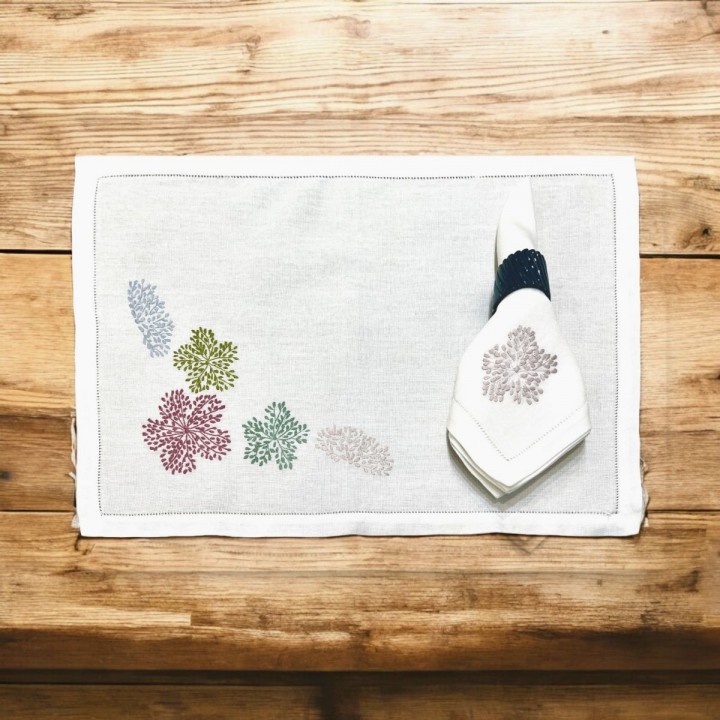
In a world crowded with forgettable souvenirs, authentic Vietnamese embroidery offers something rarer: cultural depth with lasting presence. It speaks not through extravagance, but through craftsmanship, story, and sincerity—qualities that matter in high-level gifting. Explore Tân Mỹ Design to discover refined hand-embroidered pieces that honor Vietnam’s heritage while leaving a distinguished impression on every recipient.
FAQ: Traditional Vietnamese Embroidery and Gift Value
How can you tell if traditional Vietnamese embroidery is handmade?
Look for slight stitch variations, subtle color transitions, and lifelike shading. Handmade embroidery carries small imperfections that reflect the artisan’s touch, unlike uniform machine stitching.
Why is traditional Vietnamese embroidery valued as a luxury gift?
It combines cultural symbolism, fine craftsmanship, and emotional meaning. Many pieces require over 100 hours of hand-stitching, making them rare, personal, and suitable for VIP or diplomatic gifting.
Which Vietnamese regions are famous for authentic embroidery?
Northern Vietnam, especially Hanoi and Quat Dong village, is renowned for silk embroidery traditions dating back more than 700 years.
Is authentic Vietnamese embroidery expensive?
Prices vary based on silk quality, complexity, and stitching time. Extremely cheap products are often machine-made or imitation pieces.
Can traditional Vietnamese embroidery be customized for gifts?
Yes. Many ateliers offer monograms, custom artwork, portraits, and bespoke embroidery for corporate, diplomatic, or commemorative occasions.
Where should buyers purchase authentic embroidery in Vietnam?
Trusted ateliers and heritage shops such as Tan My Design or established embroidery villages offer stronger authenticity, provenance, and quality assurance.
Other articles
Vietnamese Silk Scarf Motifs: Meanings & Gift Choices
Square vs Long Silk Scarf: Which Makes a Better Gift?
Hand-Embroidered vs Printed Silk Scarves: Which to Gift?
_cr_720x720_cr_336x264.jpg)
Meaningful Personalized Gifts: What Makes Them Feel Truly Special



Add: 61 Hang Gai St., Hoan Kiem Dist., Hanoi, Vietnam
Hotline: +84 936631368
Email: info@tanmydesign.com