
.png)
What Makes Vietnamese Lacquerware Unique Among Asian Arts
There’s something deeply intimate about holding a piece of lacquerware from Vietnam - a tactile link to centuries of quiet craftsmanship. In a country with over 5,400 traditional craft villages, the lacquer tradition stands out not by volume, but by the refined patience it demands: layer upon layer, polished for weeks to reach mirror-like perfection . Whether you're a traveler seeking authenticity or a connoisseur of handmade beauty, Vietnamese lacquerware offers more than decoration - it offers legacy.
Origins of Vietnamese Lacquerware: A Living Heritage
Vietnamese lacquerware originated over 2,000 years ago as a protective resin coating and gradually transformed into a revered fine art form. During the Đông Sơn era, artisans discovered Rhus Succedanea resin’s dual function - protection and beauty. However, it wasn’t until 1443, under Emperor Lê Nhân Tông, that lacquer techniques were formally refined in Hanoi's Nam Ngu Street, evolving through 12 or more layers of polishing - a method unique to Vietnam.
_cr_720x720.jpg)
The colonial period brought change. French artist Joseph Inguimberty introduced lacquerware into the Indochina Fine Arts School in 1925, elevating it from craft to painting medium. Innovations followed: inlays of eggshell, gold, and silver became trademarks of the genre, exemplified by Nguyễn Gia Trí's globally acclaimed works.
Craft villages like Hà Thái and Cát Đằng preserve this living heritage today. These communities blend centuries-old methods with modern training and industrial infrastructure, supported by national heritage designations.
Experts regard lacquerware not just as a decorative tradition but as a symbol of Vietnam’s creative endurance. Its evolution from ancient practice to diplomatic gift reflects a culture that honors its past while continuously reimagining it for the world.
The Craft: Layers, Lacquer, and Labor
Crafting Vietnamese lacquerware is a hundred-day subtractive process where beauty is revealed through layers, not brushstrokes.
Master artisans begin with jackfruit wood or modern MDF, sealing imperfections with natural lacquer and reinforcing it with silk. Over two months, they apply 3–5 stone-infused base layers, each wet-sanded underwater for perfect smoothness.
Decorative inlays - crushed eggshell, mother-of-pearl, or gold leaf - are embedded beneath transparent coats of Sơn Cánh Gián, then polished by hand with charcoal and hair to reveal a deep, tactile gloss. Unlike synthetic versions, this tradition - upheld by curators like Tan My Design - relies on 15–20 natural layers, cured in humidity, not ovens.
True Sơn Ta pieces can last centuries, offering a warmth and lightness mass-produced replicas can't replicate.
Design Philosophy: Tradition Meets Modernity
Vietnamese lacquerware stands out for its design philosophy that harmoniously fuses time-honored symbolism with modern aesthetics. Artisans skillfully preserve cultural depth by integrating motifs like lotus flowers and cranes into contemporary compositions, often combining natural lacquer with abstract minimalism.
These handcrafted works use traditional materials - resin, eggshell, and mother-of-pearl - while adapting to global design languages through techniques like 3D embossing and minimalist palettes. Collaborations with artists from Hermès and Paris Design Week further affirm lacquerware's modern relevance and international allure.
By evolving form without losing soul, Vietnam’s lacquer artistry continues to inspire those seeking heritage-rich, meaningful objects that transcend trends and time.
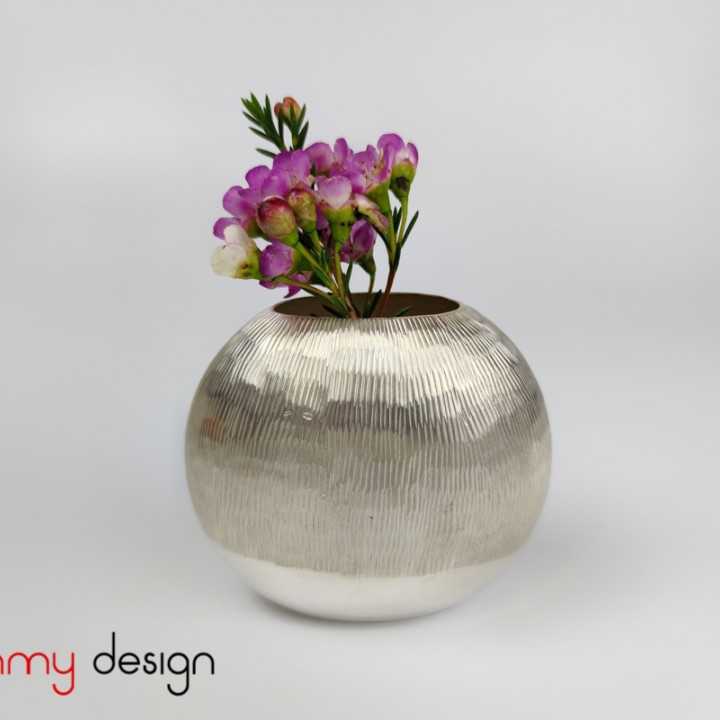
How Vietnamese Lacquerware Differs from Japan, China, and Korea
Vietnamese lacquerware stands apart through its time-intensive layering process and the unique use of eggshell inlay, requiring up to 105 days and 20 layers to complete a single piece.
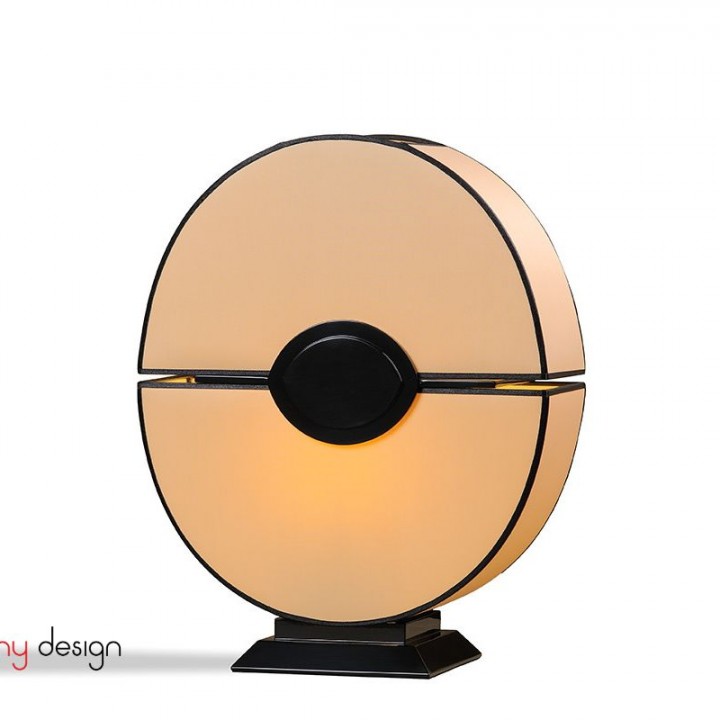
| Feature | Vietnam | Japan | Korea | China |
|---|---|---|---|---|
| Primary Technique | Eggshell inlay (sơn mài cẩn trứng) | Maki-e (metallic sprinkling) | Najeon chilgi (mother-of-pearl) | Diao qi (carved lacquer) |
| Inlay Materials | Crushed duck/chicken eggshells | Gold, silver, copper powders | Abalone, clam shell | Minimal inlay; relies on carving colored lacquer layers |
| Decoration Method | Hand-pressed into tacky lacquer, then layered and polished | Sprinkled metallic powders onto wet lacquer | Shell sheets glued to surface | Carved relief from up to hundreds of alternating red/black layers |
| Visual Effect | Textured shimmer; natural tone gradation from roasted shells | Bright, dimensional reflections from metallics | Iridescent rainbow effect that shifts with light | Deeply layered carvings with symbolic motifs and colored minerals |
| Symbolic Themes | Natural scenes with metallic leaf highlights, cultural storytelling through texture | Edo-era refinement with nature motifs | Longevity symbols, nature elements favored by Goryeo-Joseon elites | Formal symmetry, central-focus compositions, often using gold powder and precious stone inlays |
Collecting and Caring for Lacquerware
To preserve Vietnamese lacquerware, maintain stable humidity (50–60%) and temperature (20–25°C), shield pieces from direct sunlight, and clean gently using soft, dry tools.
Authentic Sơn Mài is crafted from living resin that reacts to its environment, making sudden changes in climate especially damaging. UV exposure is the top threat - causing surface “chalking” and a 20% gloss loss within months. Place pieces away from windows and vents to minimize risk.
When dusting, always use soft materials like a silk cloth or makeup brush. Avoid circular motions and never apply chemicals or alcohol. For fine scratches, some artisans cautiously use high-quality car wax, but only after spot-testing.
Store wrapped in acid-free paper, not plastic, to let it breathe. Inspect monthly for mold or fine cracking. Improper care - like soaking trays or using abrasives - can destroy the lacquer's depth, as shown by the irreversible damage to Nguyen Gia Tri’s national treasure in 2019.
Handled with respect, each piece retains its heirloom quality and cultural soul.
In every smooth curve and shimmering surface, Vietnamese lacquerware tells a story of care, heritage, and endurance. It is a rare gift that carries both meaning and memory, making it ideal for those who value presence over price. If you’re seeking to own a fragment of Vietnam’s timeless soul - or gift one to someone who deserves more than the ordinary - Tân Mỹ Design invites you to explore pieces crafted by the hands of generations. Discover more at tanmydesign.com.
Other articles
Vietnamese Silk Scarf Motifs: Meanings & Gift Choices
Square vs Long Silk Scarf: Which Makes a Better Gift?
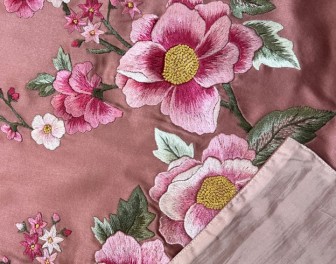
Hand-Embroidered vs Printed Silk Scarves: Which to Gift?
_cr_720x720_cr_336x264.jpg)
Meaningful Personalized Gifts: What Makes Them Feel Truly Special



Add: 61 Hang Gai St., Hoan Kiem Dist., Hanoi, Vietnam
Hotline: +84 936631368
Email: info@tanmydesign.com