
.png)
The Right Way to Clean Lacquerware Without Losing Its Shine or Heritage
Lacquerware holds more than a glossy finish - it reflects centuries of cultural devotion and craftsmanship. In Vietnam alone, authentic lacquerware accounted for over $20 million USD in domestic sales in 2023, underscoring its continued value not just as décor, but as heritage. Knowing how to clean lacquerware properly isn’t just about maintenance - it’s about preserving a story, protecting its shine, and honoring the hands that shaped it.
Understanding the Art of Lacquerware
Lacquerware is crafted from layers of natural or synthetic lacquer, each with distinct care needs rooted in centuries of Vietnamese heritage.
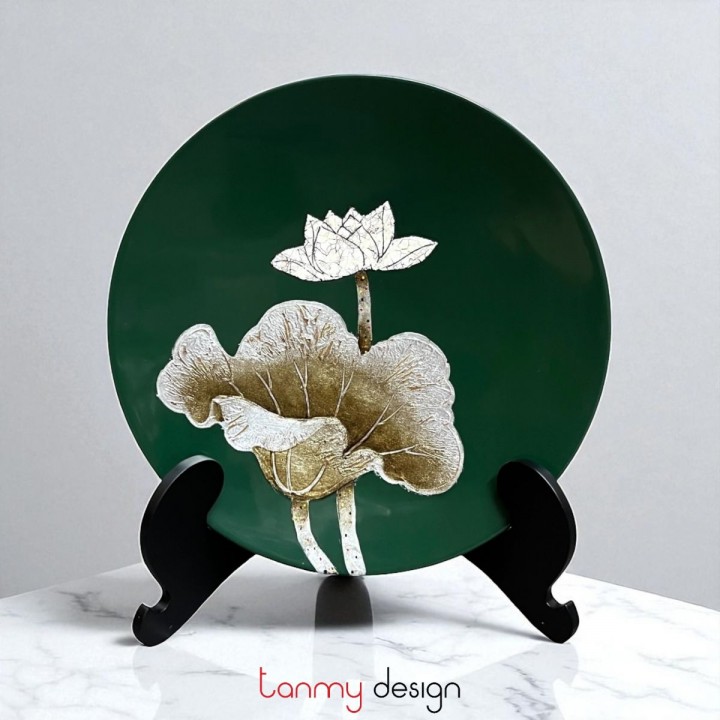
Traditional pieces use sap from Toxicodendron succedaneum, prized for durability and deep luster, while modern versions may include synthetic resins like alkyd or cashew-based finishes. Authentic natural lacquerware, still used in villages like Ha Thai, demands gentle dry dusting and soft cloth cleaning to preserve its shine and integrity. Synthetic types tolerate slightly more moisture but remain vulnerable to abrasives and chemical detergents.
| Feature | Synthetic Lacquerware |
|---|---|
| Material Source | Cashew resin, alkyd, or nitrocellulose mixes |
| Finish Sensitivity | Some resistance, but still delicate |
| Cleaning Method | Damp soft cloth, no soap or alcohol |
| Appearance Over Time | May yellow or dull with age |
| Cultural Significance | Common in mass production |
Even subtle misuse - like using dish soap or scrubbing - can permanently damage handcrafted items, as seen in the restoration case of Nguyễn Gia Trí’s lacquer painting . Always identify your piece's composition before cleaning to honor its legacy.
Step-by-Step - The Right Way to Clean Lacquerware
To clean lacquerware without dulling its surface or harming its heritage, follow a gentle, expert-approved process rooted in traditional Vietnamese care.
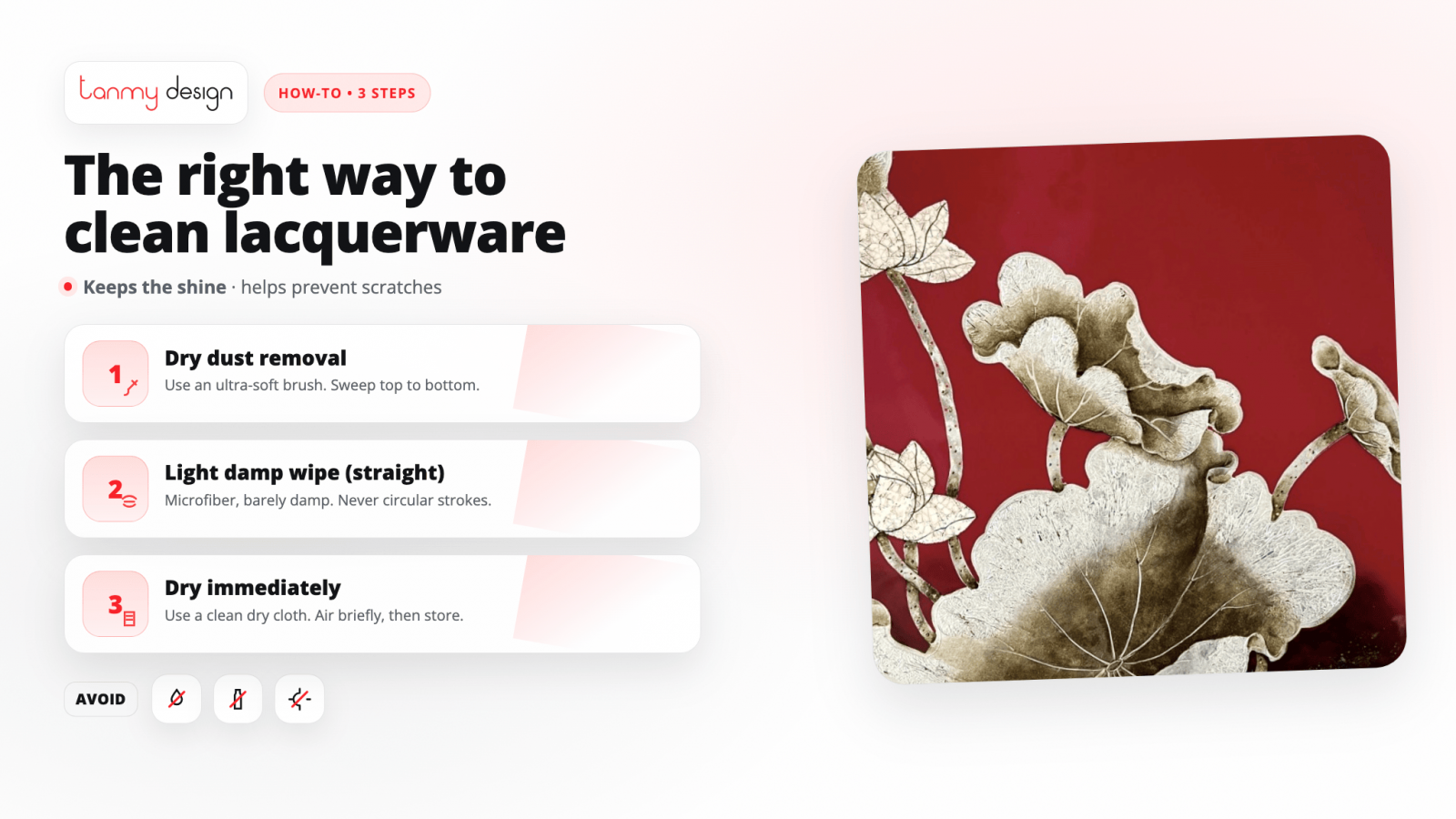
Begin with dry dust removal using a soft brush - ideally makeup-soft - and sweep from top to bottom to avoid scratching the finish. Then, with a microfiber cloth barely dampened (never wet), wipe in straight, light-pressure strokes - never circular motions, which can haze the surface. Immediately dry the piece with a clean, dry cloth, and allow it to air dry briefly before storing.
For daily-use items like bowls or trays, use warm water with a neutral soap only when necessary. Avoid soaking and never place lacquerware in dishwashers. Rinse gently, dry right away, and skip any industrial cleaners or abrasive products.
Preserve its brilliance by avoiding acidic or high-alcohol solutions, harsh paper towels, or prolonged water exposure - these can cause whitening, cracks, or fading over time. Real damage cases and museum conservation studies support these cautions, including pH-linked whitening on red lacquer documented by the Victoria & Albert Museum.
Protecting the soul of lacquerware lies in small, mindful steps. Whether gifting a timeless piece or treasuring one at home, treat it like living heritage - because it is.
Common Mistakes That Ruin Lacquerware
Direct sunlight, harsh cleaners, and incorrect storage are the most damaging mistakes people make when learning how to clean lacquerware.
Prolonged UV exposure fades color and dulls shine within months. Humidity levels below 40% or above 70% lead to cracking or mold, especially when paired with fluctuating temperatures.
Avoid abrasive scrubbing tools and never use acidic cleaners, high-alcohol solutions, or soaking in water - these cause irreversible surface breakdown. Even using the wrong pH water can produce whitening or further damage already faded areas.
For storage, steer clear of plastic bags and dry refrigerators. Instead, wrap items in acid-free paper and store them in foam-lined boxes with a stable humidity source nearby.
Improper handling can dislodge precious inlays or cause glue failure due to pests or drying adhesives. Most museum-treated pieces show cumulative damage from these exact issues - reinforcing that simple missteps today can erase centuries of cultural beauty tomorrow.
Long-Term Preservation & Display Tips
To preserve lacquerware long-term, maintain a stable environment with 45–55% relative humidity, shield it from UV and visible light, and store it in inert materials like Tyvek or acid-free boxes.
Sudden humidity changes are the primary cause of structural damage in lacquer objects, as wood and lacquer layers expand and contract at different rates. Aim for a consistent RH (ideally 45–55%), and avoid both dry air (which leads to cracking) and excess moisture (which risks mold).
For display, lighting is just as critical. Limit light to under 50 lux for sensitive pieces, and block UV rays entirely - UV and even visible green-red wavelengths (510–650 nm) can chemically degrade the lacquer, causing irreversible chalking or loss of shine.
Use nitrile gloves to handle pieces safely, dry dust with goat-hair brushes, and avoid air drying after gentle cleaning with distilled water. For added protection, a sparing coat of archival-grade wax may help repel fingerprints and moisture.
Protect your investment by creating a microclimate using Art-Sorb and storing pieces in breathable, chemically neutral wraps. These thoughtful safeguards not only prevent physical harm, but also honor the delicate legacy of lacquer artistry.
The Artisan’s Secret - Why Handcrafted Lacquerware Shines Longer
The unmatched glow of traditional Vietnamese lacquerware comes from a curing process that fuses 15–30 ultra-thin layers into one seamless, stone-hard surface.
Unlike synthetic sprays that merely coat the wood, this technique transforms the surface at a molecular level. Every stage - from humidity-controlled curing to “water sanding” between layers - removes imperfections and deepens the internal luster known as the “cockroach wing” effect.
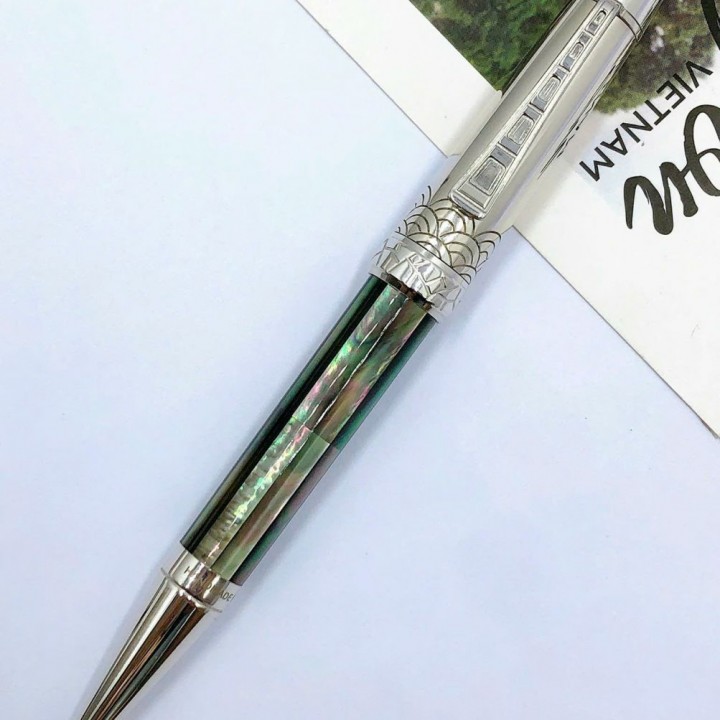
The final polish is performed by hand, using only charcoal powder and the artisan’s palm, breathing life and clarity into each piece. Over time, the finish doesn’t fade - it matures. Owners describe caring for their lacquerware as a quiet ritual, one that strengthens both the glow and their connection to Vietnamese heritage.
Whether you're curating a home, choosing a meaningful gift, or cherishing a piece of Vietnam, caring for lacquerware is an act of reverence. With safe, expert-backed methods, you can ensure its luster and legacy endure for years. Explore handcrafted authenticity and timeless design at Tân Mỹ Design, where every item is chosen for lasting beauty and cultural depth. https://tanmydesign.com
FAQ — Expert Answers from Tân Mỹ Artisans
Can I put lacquerware in the dishwasher or soak it in water?
No. Never use a dishwasher or soak lacquerware. Use a soft damp cloth and dry immediately to avoid warping or cracking.
What cleaning products are safe to use?
None. Avoid all chemical cleaners, including glass sprays and furniture polish—they can damage the surface permanently.
How do I remove fingerprints or sticky residue?
Gently wipe with a soft, dry or slightly damp cloth. Avoid scrubbing, and never apply solvents.
Can I display lacquerware near a window?
No. Direct sunlight causes irreversible fading and cracking. Keep it away from heat and UV exposure.
What’s the ideal humidity for lacquerware?
Maintain stable humidity between 50–60%. Avoid placing pieces near air conditioning, heaters, or in fluctuating environments.
Why did my lacquerware develop tiny cracks?
Cracks often result from sudden changes in humidity or exposure to direct heat and sunlight.
Can I use wax or polish to restore the shine?
No. These products may turn white over time and trap dirt, damaging the original lacquer permanently.
Can I fix small chips or cracks myself?
DIY fixes like glue or sanding are risky and often cause more harm. Professional restoration is recommended.
What’s the best way to preserve my piece?
Handle gently, dust regularly with a soft cloth, avoid chemicals, and display in a stable, shaded environment.
Other articles

Vietnamese Silk Scarf Motifs: Meanings & Gift Choices
Square vs Long Silk Scarf: Which Makes a Better Gift?
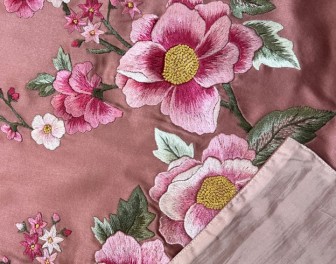
Hand-Embroidered vs Printed Silk Scarves: Which to Gift?
_cr_720x720_cr_336x264.jpg)
Meaningful Personalized Gifts: What Makes Them Feel Truly Special



Add: 61 Hang Gai St., Hoan Kiem Dist., Hanoi, Vietnam
Hotline: +84 936631368
Email: info@tanmydesign.com