
.png)
Hang Gai Street Guide: Avoid Tourist Traps & Choose Real Craft
Many arrive at hang gai street expecting silk with a story - only to hesitate when everything looks the same. Today, the street hosts over 100 boutiques, yet truly handwoven Vietnamese silk is increasingly rare, often hidden among mass-produced goods. This guide helps you move past the surface and choose pieces that carry real craftsmanship, worthy of meaningful gifting.
What is Hang Gai Street really known for today?
Today, hang gai street is known as a concentrated luxury retail corridor for Vietnamese silk and artisan goods, rather than a place where crafts are made.
Along its 250-meter stretch, more than 100 boutiques and tailor shops now dominate nearly every storefront, shifting the street’s role almost entirely to high-end retail and cultural distribution. The focus is clear: premium raw silk, bespoke áo dài, lacquerware, and hand-embroidered artworks sourced from across Vietnam.
That shift didn’t happen by accident. Limited space in traditional tube houses and strict urban regulations made large-scale production - like looms or dye vats - impractical. At the same time, heavy tourist foot traffic pushed property owners toward higher-margin retail, gradually replacing on-site workshops.
What remains quietly reassuring is how authenticity is still preserved. Established names like Tan My Design act as curators, partnering with multi-generational artisan families from villages such as Thuong Tin and Van Lam, while landmarks like Co Vu Communal House continue to anchor the street’s original guild heritage.
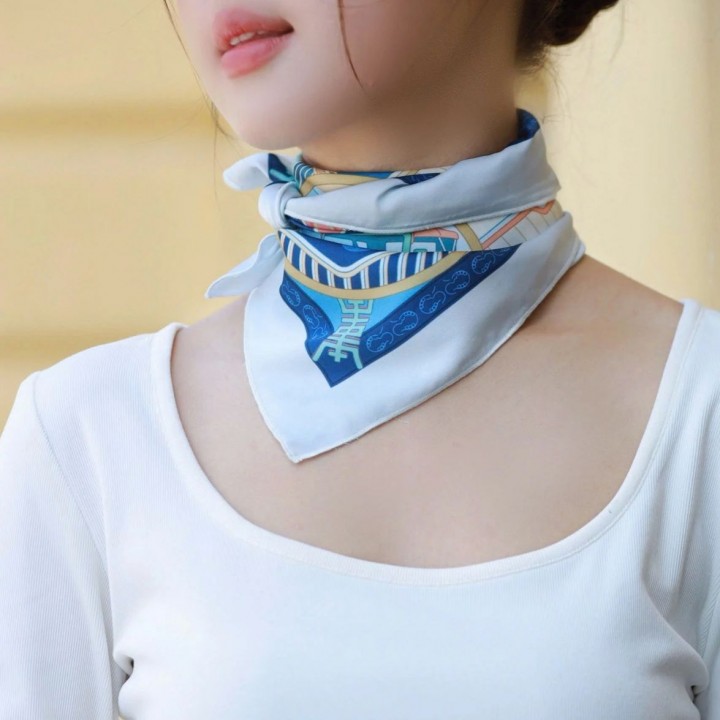
Why do most people fall into tourist traps on Hang Gai Street?
Most visitors fall into tourist traps on hang gai street because they cannot accurately identify products, face time pressure, and lack reliable information - while sellers exploit these gaps through pricing tactics and psychological overload.
Shops often misrepresent materials, passing polyester or rayon as authentic mulberry silk; the Khaisilk scandal exposed how origin labels were falsified to deceive buyers. When you don’t know how to verify fabric, every smooth surface starts to feel “real,” which is exactly the point.
At the same time, sellers hold full knowledge of sourcing and pricing, while travelers navigate blind. That imbalance creates an “information tax,” where buyers unknowingly pay more for lower-quality goods.
It gets worse under pressure. Tight itineraries push quick decisions, and unfamiliar surroundings trigger cognitive overload - too many choices, too little clarity. People then rely on surface signals like a street’s reputation instead of real verification.
There’s also a subtle emotional trap: after investing time and money into the trip, buyers feel compelled to “bring something meaningful home,” lowering their guard. High initial prices then anchor expectations, making discounts feel like a win - even when they aren’t.
How to identify real Vietnamese craftsmanship (Decision Framework)
-
Check optical luster under natural light.
Authentic silk on hang gai street shows a pearlescent glow due to fibroin’s triangular prism structure refracting light at multiple angles, while synthetic fibers reflect uniformly, creating a flat or overly glossy shine. -
Feel friction and temperature response.
Genuine mulberry fiber feels smooth yet creates noticeable warmth when rubbed, a result of protein-based friction; artificial fabrics tend to feel colder and may produce a slight metallic sound. -
Inspect weave irregularities and pattern integration.
Handwoven pieces carry subtle imperfections and motifs like dragons or chrysanthemums woven into the fabric - not printed - signaling manual craftsmanship rather than industrial replication. -
Test structural behavior when crumpled.
Real silk shows elastic recovery, slowly returning to shape; synthetics hold sharper creases, revealing weaker natural resilience. -
Validate provenance - but don’t rely on it alone.
Even reputable boutiques have sold mislabeled imports in past scandals, so origin claims must be cross-checked with material and craft indicators, not trusted in isolation.
_cr_720x720.JPG)
What makes a gift “worth giving” (for VIP / business context)?
-
Anchor authenticity to origin: A gift becomes worth giving when its cultural roots are clear - materials like silk, bamboo, or Bat Trang ceramics and traditional motifs carry a distinct “soul” that separates it from mass-produced items, especially along hang gai street.
-
Ensure material and craftsmanship integrity: Perceived value is tightly linked to quality of materials and traditional techniques, not surface appearance. If it feels generic, it quietly loses meaning, even at higher price points.
-
Add personalization that signals intent: Custom elements (engraved names, company logos) drive over 45% of customer choices, showing that tailored details turn a product into a relationship marker, not just an object.
-
Balance symbolic and practical use: Gifts that are both meaningful and usable daily reinforce brand recall naturally, keeping the relationship active instead of forgotten in storage.
-
Respect psychological context (“face” & bonding): In Vietnamese business culture, a well-chosen gift protects thể diện and builds tình cảm, shifting interaction from transaction to trust.
-
Avoid overpricing without relevance: High cost alone can backfire - during sensitive moments like negotiations, or when lacking personalization, it risks being seen as inappropriate or even a compliance issue.
Where on Hang Gai Street can you actually find real craft?
Real craft on hang gai street exists only in a small minority of shops, typically those that openly disclose sourcing from villages like Van Phuc or Nha Xa and allow physical testing of their fabrics.
Most storefronts here operate under heavy tourist pressure and high rent, which pushes them toward high-margin synthetic imports rather than authentic silk. Industry estimates warn that the vast majority of silk in tourist hubs is counterfeit or synthetic, and even “Made in Vietnam” labels can be misleading, as noted by the Vietnam Garment and Apparel Association.
The reliable signal is behavior, not branding. Genuine boutiques will let you burn-test threads, feel the fabric, and verify traditional widths (0.9m or 1.15m) - small details, but they quietly confirm origin and integrity.
Be cautious with signals that feel premium on the surface. The Khaisilk scandal showed how even a long-standing luxury name on this street replaced Chinese-made goods with false labels, while still pricing at the top end.
So the safest approach is simple: ignore storefront prestige, and trust shops that are transparent enough to let the material speak for itself.
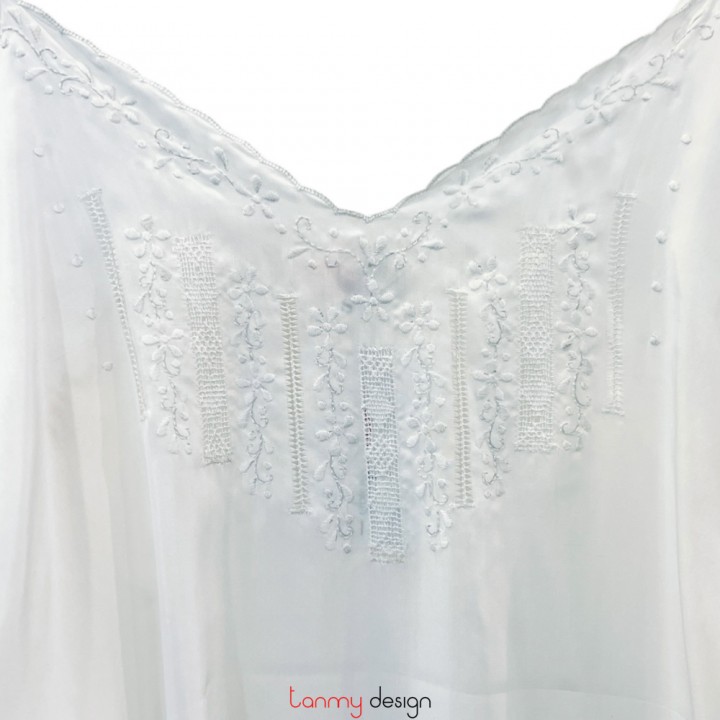
When should you NOT buy on Hang Gai Street?
-
Avoid buying on hang gai street when you cannot verify material authenticity, because synthetic fabrics like nylon or mislabeled “silk brocade” are often sold as “100% silk,” a risk highlighted by the Khaisilk scandal involving relabeled imports.
-
Skip purchases if you are uncomfortable negotiating, as tourist-focused pricing models often start high and require bargaining down by 50%–70% to reach fair value, creating a poor experience for time-pressed buyers.
-
Do not rely on visual inspection alone, since advanced synthetics can convincingly mimic real silk texture, making untrained assessment unreliable and leading to overpaying for low-grade textiles.
-
Reconsider if supply chain transparency matters to you, because many shops operate with opaque sourcing rather than traceable links to craft villages like Van Phuc.
-
Hold off unless you can apply technical verification methods, such as the burn test, or possess enough expertise to distinguish genuine fibers from substitutes.
-
Proceed only if exceptions apply, like buying from verified heritage boutiques (e.g., Tan My Design, Kenly Silk), prioritizing 12–24 hour custom tailoring speed, or choosing non-silk crafts where substitution risks are lower.
Finding authenticity on hang gai street is less about where you go, and more about how you choose. When you recognize the signs of true craftsmanship, every gift becomes a quiet statement of respect and cultural depth. At Tân Mỹ Design, that intention is preserved in every detail, making your choice feel certain. If the occasion matters, it’s worth selecting something that truly speaks for you.
FAQs (People Also Ask alignment)
Is Hang Gai Street reliable for authentic craft shopping?
Not always - authentic and counterfeit products are sold side by side, so verification is essential.
How can you tell real Vietnamese silk from fake?
Real silk warms to the skin, makes a soft rustling sound, and slowly regains shape after being squeezed.
What happens if you burn-test silk?
Authentic silk smells like burning hair and leaves crumbly ash, while synthetic fabric melts.
Are all shops on Hang Gai trustworthy?
No - experts warn that even reputable-looking stores may sell synthetic materials at authentic prices.
Should you bargain on Hang Gai Street?
Only in lower-tier shops; premium boutiques usually keep fixed prices to reflect real craftsmanship.
What is the typical price range for real silk?
Authentic local silk is commonly priced between $17 and $85 per meter.
What products are worth buying here?
Bespoke tailoring, ao dai, hand-embroidered garments, scarves, and ties stand out for authenticity.
What signals true handmade craftsmanship?
Techniques like double-sided embroidery with invisible start and end points indicate artisan work.
Is Hang Gai still a traditional craft hub?
Yes - it remains a “living museum” blending family workshops with historic architecture.
When should you avoid buying on Hang Gai?
If purchasing in bulk, it’s better to go directly to craft villages like Van Phuc or Ha Dong.
Other articles

Vietnamese Silk Scarf Motifs: Meanings & Gift Choices
Square vs Long Silk Scarf: Which Makes a Better Gift?
Hand-Embroidered vs Printed Silk Scarves: Which to Gift?
_cr_720x720_cr_336x264.jpg)
Meaningful Personalized Gifts: What Makes Them Feel Truly Special


Add: 61 Hang Gai St., Hoan Kiem Dist., Hanoi, Vietnam
Hotline: +84 936631368
Email: info@tanmydesign.com