
.png)
Where to Buy Lacquerware in Hanoi Without Getting Low-Quality
Many buyers searching for where to buy lacquerware in Hanoi quietly worry about choosing something that only looks authentic. That concern is valid - over 2,000 counterfeit and substandard goods violations were recorded in Hanoi in just the first half of 2025, reflecting how easily imitation can enter even reputable-looking shops. This FAQ helps you recognize where true craftsmanship lives, so your gift carries real heritage, not just surface beauty.
What does “low-quality lacquerware” actually mean?
Low-quality lacquerware refers to pieces made with synthetic coatings, fewer thick layers, and shortcuts in craftsmanship that sacrifice depth, durability, and authenticity compared to traditional sơn mài.
Authentic Hanoi lacquerware - often from villages like Ha Thai - is built with 15–20 ultra-thin layers (5–10 micrometers each), cured over weeks or months. In contrast, commercial versions use fewer, thicker coats, finished in days to speed up production. The result feels different immediately: lighter weight, cooler touch, sometimes even a sharp chemical odor instead of the faint herbal scent of natural resin.
The deeper issue sits in the material. Studies from the National Center for Biotechnology Information (2025) show high-end pieces rely on natural sơn ta sap, which cures through enzymatic polymerization - forming a complex, resilient structure. Synthetic alternatives like acrylic or polyurethane simply dry by evaporation, lacking that internal strength and translucent depth. The National Gallery Singapore (2019) also highlights how this traditional curing requires controlled humidity (75–85%) and temperature, something mass production rarely follows.
There’s a subtle trap: some workshops apply a thin natural topcoat over a synthetic base to mimic premium finishes. It looks convincing at first glance - but structurally, it’s not the same piece you thought you were buying.
Why is it hard to find authentic lacquerware in Hanoi?
Finding authentic lacquerware in Hanoi is difficult because traditional production is slow and shrinking, while the market is saturated with synthetic imitations that are easier to mass-produce and sell.
Reports from HRMARS and CBI highlight a clear decline in genuine craftsmanship, with VIETCRAFT noting that real pieces can require up to five months and 30 hand-applied layers of natural sap. That level of effort makes true artisans rare - and quietly pushed aside by faster, cheaper alternatives.
The market structure makes things worse. In tourist-heavy areas like the Old Quarter, dense souvenir shops compete on price, so low-cost replicas dominate. Without standardized certification, sellers can easily pass off MDF boards coated with synthetic paint as traditional sơn mài, leaving buyers unsure what they’re actually paying for.
That’s why people searching where to buy lacquerware in hanoi often feel stuck - there’s beauty everywhere, but very little clarity. The real pieces exist, just hidden behind layers of noise.
How to quickly identify a trustworthy lacquerware shop?
-
Check OCOP star rating (3–5 stars)
Shops with OCOP certification at this level signal verified traceability and standardized production quality, a key filter when narrowing down where to buy lacquerware in hanoi without guesswork. -
Ask for an artisan certificate of origin
A hand-signed document ties the piece directly to a workshop, confirming use of natural son dau resin and traditional multi-layer craftsmanship - usually seven or more layers with hand-polishing between coats. -
Verify international material certifications (FSC or CE)
These indicate compliant materials - sustainably sourced wood and non-toxic finishes - important if the item is meant for daily use or gifting in formal contexts. -
Assess the lacquer surface in person
Authentic pieces show depth, subtle translucency, and a smooth finish without bubbles; synthetic versions often look flat, overly glossy, and slightly plastic. -
Be cautious with “heritage” labels in tourist zones
Location alone - Old Quarter or craft villages - doesn’t guarantee quality; some shops still sell mass-produced items despite traditional branding.
Where to buy lacquerware in Hanoi (by category)
-
Premium boutiques (e.g., Hanoia, Hanoi a House)
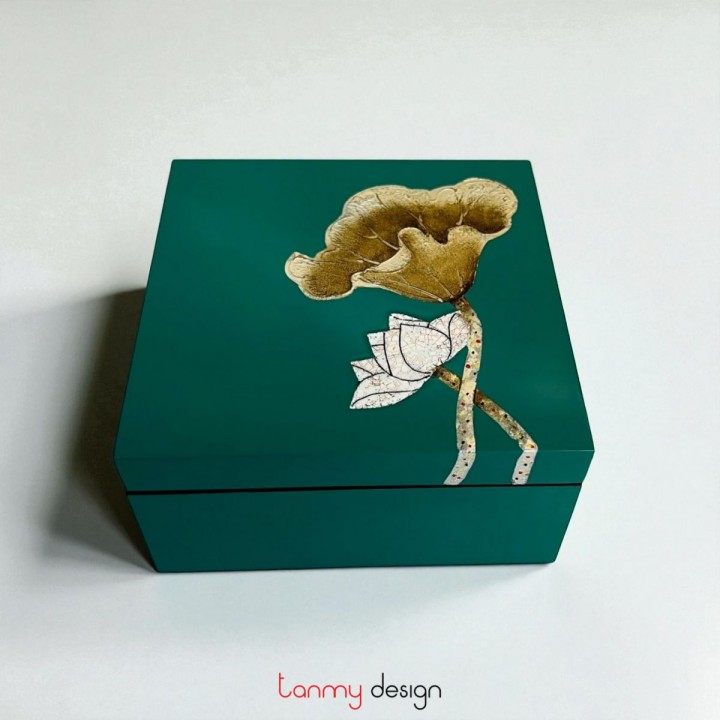
These are the safest answer to where to buy lacquerware in hanoi if you need flawless, presentation-grade pieces. Expect 15+ polished layers, high-grade substrates, and precise mother-of-pearl inlay, delivering strong authenticity but at a clear luxury premium.
Ideal when the gift must signal status and certainty. -
Artisan workshops (e.g., Hạ Thái village)
Workshops offer traditional techniques with 12–15 lacquer coats, often made directly by skilled artisans. Prices stay more accessible because there’s no retail markup, though quality consistency varies and material verification (sơn ta vs synthetic) can be unclear without expertise.
This tier feels more “real” - but requires a careful eye. -
Tourist stores (Old Quarter souvenir shops)
These shops focus on mass-produced items with fewer layers, synthetic finishes, and sometimes a chemical smell. The appeal is convenience and low cost, yet durability is limited, especially when exported to dry climates where cracking or peeling can occur.
Fine for quick souvenirs, not for meaningful gifting.
Insight: The biggest quality gap comes from raw materials (natural lacquer vs synthetic) and the number of coating layers, which directly affect longevity and cultural value (DataHorizzon Research 2025; IRD Éditions 2016).
How much should you expect to pay?
Lacquerware prices in Hanoi range widely - from $5 to over $5,000 - but the real cost depends on materials like son ta, layering time, and artisan skill, not just where you buy or what the price tag says.
-
Expect $5–$30
Machine-assisted pieces using synthetic coatings. Common in tourist zones; low cost but also the highest risk of poor durability and imitation finishes. -
Expect $30–$100
Hand-finished items with natural lacquer, suitable for retail shelves or corporate gifting. This is often the lowest entry point where authenticity begins to appear. -
Expect $80–$1,080+
Master-crafted works using traditional resin, jackfruit wood bases, and refined inlays like eggshell or mother-of-pearl. High-end vases can exceed $1,080 (27,000,000 VND). -
Expect $500–$5,000+
Large lacquer paintings requiring advanced artisan techniques and extended production time. -
Watch for price traps
In central districts, inflated pricing is common - even synthetic items may be sold at premium rates, so a higher price alone doesn’t confirm authenticity.
You’ll notice the difference not just in look, but in weight, texture, and how the surface ages over time - details that matter when deciding where to buy lacquerware in Hanoi with confidence.
When lacquerware is NOT the best gift choice
-
Avoid gifting lacquerware for daily use or casual occasions. Material studies show it demands strict care and is highly sensitive to UV light and humidity, making it impractical in routine settings or for recipients expecting convenience.
-
Reconsider if the recipient is unfamiliar with proper care. Research in the Journal of Consumer Research (Yale, NYU, 2014) highlights that people value ease of use more than givers assume; complex upkeep often leads to disappointment.
-
Skip it for modern homes with unstable climates. Findings from the Journal of Cultural Heritage (2010, 2024) note that humidity below 40% can cause cracking, while above 70% encourages mold - common in air-conditioned or fluctuating environments.
-
Not suitable near sunlight or heat sources. UV exposure can reduce surface gloss by up to 20% within six months and increase brittleness, quietly degrading what should feel like a premium gift.
-
Avoid if the recipient may use dishwashers or microwaves. These accelerate surface damage, creating pits and structural breakdown that are hard to reverse.
-
Choose alternatives if practicality matters more than symbolism. UNIDO-related market insights indicate authentic lacquerware fits luxury display segments, not functional gifting expectations.
Comparison – lacquerware vs other Vietnamese gifts
Lacquerware stands out for formal prestige, while embroidery and ceramics serve better in daily use and broader gifting contexts, a distinction highlighted in market analyses like Ken Research (2026) and the International Journal of Science and Research Archive (2024).
| Evaluation Dimension | Lacquerware | Hand Embroidery | Ceramics |
|---|---|---|---|
| Cultural Value | Deep diplomatic and royal prestige; reflects months of layered Sơn ta craftsmanship | Strong regional identity; preserves local textile traditions | Rooted in centuries of domestic life and utilitarian heritage |
| Usability | Very limited; sensitive to moisture, heat, and scratches | Versatile for fashion (scarves, bags) but requires careful maintenance | Highly durable; safe for hot liquids, daily dining, frequent washing |
| Recipient Satisfaction | Ideal for collectors, diplomats, high-end décor contexts | Appeals to aesthetic, fashion-oriented recipients | Practical satisfaction for families and everyday users |
The contrast comes from materials: lacquer relies on a 105-day humidity-based curing process, creating a refined but fragile surface, while ceramics and silk gain structural stability through firing and weaving.
If you're searching where to buy lacquerware in hanoi, this difference matters - you're choosing symbolic prestige over practicality, which fits high-level gifting but not everyday use.
Key limitation: lacquer pieces can degrade in heat above 30°C or unstable humidity, and are unsuitable for dining or prolonged water exposure.
Choosing lacquerware becomes clearer when you know what signals authenticity and what quietly undermines it. The difference often lies in patience, material integrity, and the story behind each piece. When you approach where to buy lacquerware in Hanoi with that lens, your gift naturally gains meaning and credibility. If the occasion matters, take a moment to verify before you buy - it changes everything about how your gift is received.
FAQs
Where to buy lacquerware in Hanoi without getting low-quality pieces?
Look for stores that clearly disclose materials and process - especially natural Rhus succedanea resin and multi-layer hand application (15–30 layers), as outlined by Tan My Design’s 2025 guidelines.
Pieces made with this method show deep iridescence, seamless inlays, and a dense, balanced weight - details that mass-produced items rarely achieve. If it feels hollow or sounds sharp when tapped, that’s a red flag.
How can I tell if lacquerware is truly handmade?
Authentic items involve 15–30 lacquer layers and meticulous polishing, creating smooth transitions and integrated gold, silver, or mother-of-pearl details.
Hanoia notes that a single piece can take up to 100 days and 20 stages, which explains why genuine work feels refined and substantial, not rushed or uniform.
Are all lacquerware products in Vietnam the same quality?
No - quality varies significantly by region.
Northern hubs like Ha Thai or Cat Dang focus on heritage techniques and traditional vóc bases, while southern workshops often prioritize modern design and scale for export .
Can I rely on visual signs like cracks to judge authenticity?
Not reliably.
ACF China reports that forgeries often use artificial crackling or heavy lacquer layers to mimic age, making surface inspection alone misleading.
Is lacquerware safe to travel with by air?
It can be risky.
A study from the Asian Art Museum shows temperature shifts and cabin pressure may cause cracking or discoloration, especially for organic resin finishes.
What determines the true value of lacquerware?
Primarily labor intensity, natural materials, and craftsmanship complexity.
High-quality sap, certified food-safe finishes (FDA standards), and intricate inlays elevate both durability and long-term collectible value.
Other articles
How to Choose a Tie Gift He’ll Actually Wear: A Practical Guide
How to Care for a Silk Scarf Without Damaging It

Is a Silk Scarf Worth the Price? How to Judge Quality and Durability

How to Tell If a Silk Scarf Is Real: Check Before Buying Online



Add: 61 Hang Gai St., Hoan Kiem Dist., Hanoi, Vietnam
Hotline: +84 936631368
Email: info@tanmydesign.com