
.png)
Women Jade Bracelet Vietnam: Is It Worth Choosing for a VIP Gift?
Choosing a Women jade bracelet vietnam as a VIP gift often feels like a quiet test of taste and authenticity. The piece must carry more than beauty - it needs a story that feels rooted, refined, and unmistakably real in a market crowded with look-alikes. This is where jade, shaped by Vietnamese craftsmanship, offers something rare: a gift that speaks of heritage, discernment, and lasting value.
Why is a jade bracelet even considered a VIP-level gift in Vietnam?
A women jade bracelet Vietnam is considered VIP-level because it historically functioned as a diplomatic and high-status gift, symbolizing nobility, wealth, and protection within formal Vietnamese culture.
Centuries of exchange positioned jade as a marker of hierarchy and alliance. A UCLA study (2017) documents its role in border diplomacy, where courts used jade to reinforce political relationships. That legacy still echoes today - the Italian Trade Agency (ICE) 2023 report confirms jade jewelry remains embedded in Vietnam’s high-value, formal gifting segment.
Its meaning goes beyond appearance. Influenced by Chinese Feng Shui, jade represents virtue, prosperity, and spiritual shielding. The bracelet is worn continuously, sized intentionally to stay on the wrist, believed to absorb negative energy. That physical permanence quietly signals refinement and care - qualities expected in a serious gift.
There’s also a lineage layer. In many families, jade pieces pass from older women to the next generation, carrying continuity and good fortune. That inherited value makes the object feel less like an accessory, more like a legacy.
Still, this prestige is shifting. A 2025 IJSRM study shows younger generations increasingly see jade as rigid and expensive, especially compared to customizable alternatives, and impractical in regulated workplaces.

When does a jade bracelet become “worthy” of a VIP gift?
A jade bracelet becomes worthy of a VIP gift when it uses untreated natural stone, is meticulously hand-finished, and expresses quiet cultural depth rather than visible luxury.
The real dividing line sits at material authenticity. High-tier pieces use Type A jadeite or natural nephrite, completely untreated except traditional waxing, aligning with standards from the Gemological Institute of America (GIA) and Mason-Kay Jade. Treated stones (Type B, C) may look similar, but they break the trust signal expected in a high-level exchange.
Craft matters just as much. According to ORIENTGEM’s 2026 guidelines, hand-polishing, structural balance, and refined weight distribution define artisan quality. Machine-cut versions often show uneven translucency and degrade over time - subtle flaws, but noticeable in a VIP context.
Then comes design intent. A Women jade bracelet vietnam suitable for important gifting follows inconspicuous luxury - no loud branding, just calm elegance carrying meanings like protection and harmony. This shift toward subtlety is also observed in Vietnamese consumer behavior research by Nguyen et al. (2023).
Interestingly, a carefully chosen, modest piece often signals more respect than an expensive but generic item. In relationship-driven cultures, effort and cultural understanding carry more weight than price alone.
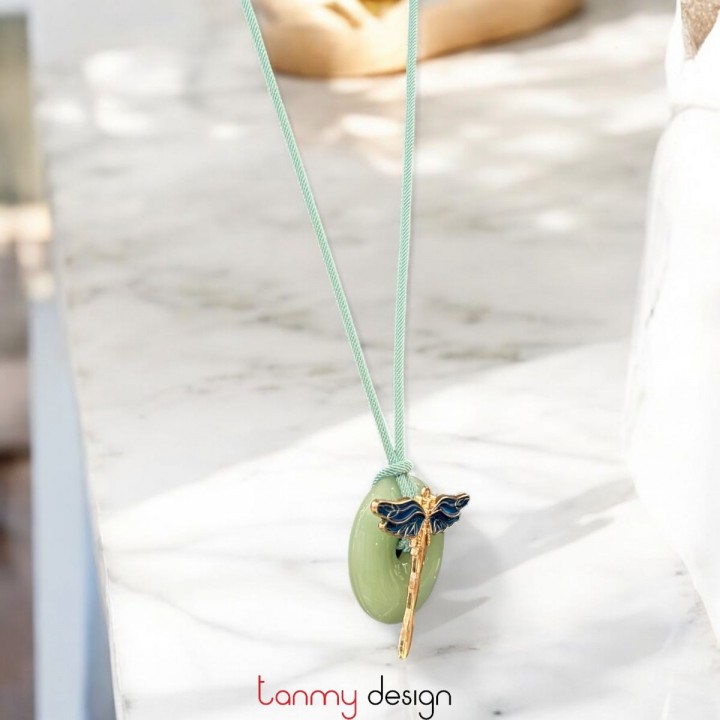
How to evaluate a women jade bracelet in Vietnam before buying?
You should evaluate a Women jade bracelet vietnam through three layers: optical traits, symbolic design, and independent certification - because visual beauty alone cannot confirm authenticity or long-term value.
1. Observe surface and temperature
Look for a natural oily or glass-like luster and a cool touch on skin - these signal untreated jade (Type A).
If the shine feels overly glossy or waxy, or the surface looks dull in patches, it often indicates treated material.
2. Examine color distribution and structure
Natural jade shows uneven color flow, with visible “roots” of color and occasional yellow-brown inclusions.
Uniform color or dye concentrated along cracks is a common sign of chemical enhancement.
3. Consider transformation over time
Untreated stone can “improve” with wear, becoming clearer and more lustrous.
Treated versions may degrade as polymer layers fade, leaving the piece cloudy.
4. Evaluate gifting design and symbolism
Solid bangles or bead strands are chosen for elegance and wrist fit, while color is often matched to elemental preferences (e.g., white tones for Kim or Thủy).
5. Verify certification from trusted labs
Only accept documents clearly stating “Type A” from PNJ Lab (2024 standard), DOJI Lab, or VGC.
Experts like Ruby Stone (2024) warn against vague terms like “natural color.”
6. Avoid relying on visual judgment alone
Even experienced gemologists can misidentify treated jade without spectroscopic tools, with accuracy only around 90% in such cases.
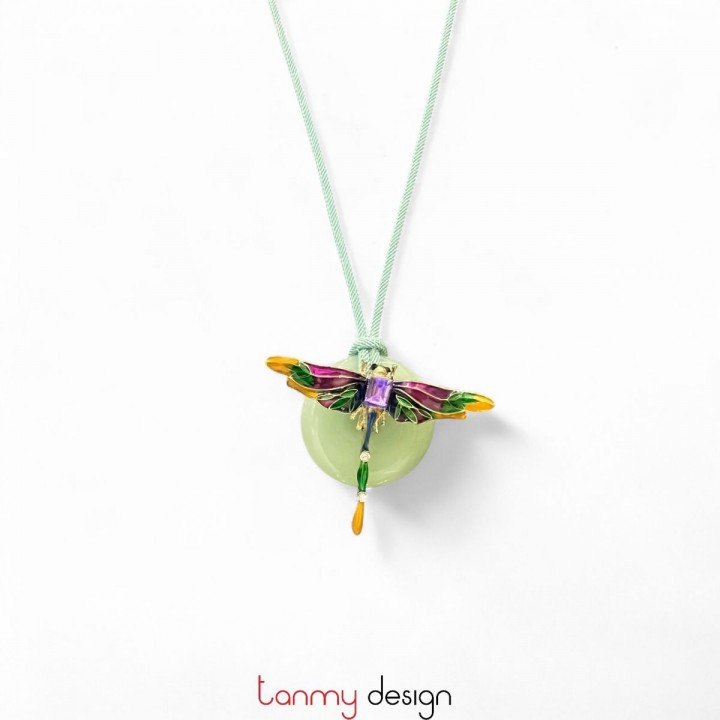
What is the economic tradeoff when choosing this gift?
Choosing a Women jade bracelet vietnam means paying a small upfront authentication cost to avoid far larger financial and reputational risks tied to gifting an unverified piece.
A Dan Tri (2025) report shows how distorted this market can be: bracelets sold at 100 million VND may hold only 7 million VND in material value if not verified. That gap isn’t just money lost - it’s credibility at stake in a VIP exchange.
To close that trust gap, certification from recognized labs costs €150–€500 per piece (Jademago, 2026). That fee effectively converts uncertainty into institutional proof, which buyers use as a substitute for their own gemological expertise.
The payoff is clear. Authenticated jade commands a 30%–50% premium in perceived value, while sharply reducing the risk of gifting a counterfeit - something that can damage “face” and business relationships. A 2024 study in the International Journal of Scientific Research and Management found only 3.4% of consumers consider uncertified stones highly credible.
So the real tradeoff isn’t price vs. quality - it’s verification cost vs. relationship risk. In high-stakes gifting, the certified mid-tier option quietly delivers stronger decision value.
What are the risks and common mistakes buyers make?
-
Chasing appearance over authenticity often leads buyers of a Women jade bracelet vietnam to accept bright color or translucency tests instead of verified certification, resulting in Type B or C jade that fades, discolors, and becomes brittle over time.
-
Trusting tourist-market pricing creates a predictable trap: reports from the Vietnam Directorate of Market Surveillance (2025) show visitors buying $30–$40 “jade” pieces, even though legitimate gemological certification alone costs about $40 - meaning the material is typically agate, glass, or resin.
-
Buying in high-traffic areas like Hoi An or Nha Trang increases exposure to mixed counterfeit–authentic inventory, where sellers intentionally exploit souvenir-shopping behavior.
-
Skipping laboratory verification from Vietnamese entities such as VGC, GCR, or DOJI removes the only reliable proof of untreated jade (“Không có dấu hiệu xử lý”), turning a premium gift into a short-lived accessory.
-
Choosing hinged or repaired designs introduces cultural risk: jade bracelets for gifting must be a continuous, unbroken circle; hinges often indicate fractured or recomposed stone, symbolizing broken luck instead of protection.
-
Purchasing online without safeguards raises the chance of hidden fractures and no return policy, especially when images are manipulated to conceal structural flaws.
How does a jade bracelet compare to other Vietnamese VIP gifts?
A Women jade bracelet Vietnam stands apart by offering lifelong spiritual meaning and daily intimacy, while silk, pearls, and lacquerware lean toward aesthetic display or formal representation rather than personal, continuous connection.
| Gift Category | Cultural Symbolism | Personal Intimacy | Long-Term Usability | Market Perception |
|---|---|---|---|---|
| Jade Bracelet | Spiritual protection, prosperity, harmony | Extremely high – worn continuously on the wrist | Lifelong heirloom; value deepens over time | Strong emotional premium; aligns with rising demand for symbolic gifts (Kadence & CHUS, 2025) |
| Pearl Jewelry | Sophistication, modern luxury, purity | High but situational (event-based wear) | Long-lasting but requires care | High-status choice in formal and corporate contexts |
| Silk | Traditional craftsmanship, national pride | Moderate; mainly aesthetic | Seasonal or occasion-based | Popular for cultural gifting, especially B2B |
| Lacquerware | Historical artistry, heritage craft | Low to moderate; not worn | Durable but decorative | Premium corporate gift; widely used in formal settings |
The contrast is subtle but decisive. Jade is not just seen - it is lived with, worn daily on the left wrist as a personal talisman believed to absorb negative energy and evolve with the wearer’s inner strength.
Research from Kadence and CHUS (2025) shows 68% of recipients prioritize deeply personal gifts, which explains why jade often feels more “worth it” in high-trust relationships.
That said, this intimacy cuts both ways. Silk or lacquerware feel safer in diplomatic or new partnerships, while jade signals something deeper - almost like saying, “this relationship matters long-term.”
When should you NOT choose a jade bracelet?
A Women jade bracelet vietnam should not be chosen for a VIP gift when corporate rules require gender-neutral items, when the recipient favors modern minimalist design, or when authenticity cannot be verified by trusted labs.
-
Avoid when corporate gifting must be standardized
Mixed-gender executive groups often require equal, neutral items. A distinctly feminine accessory can break internal parity rules and create subtle discomfort in formal settings. -
Avoid when the recipient prefers contemporary aesthetics
Traditional jade bangles - despite symbolizing wisdom and purity - can feel visually outdated against sleek, Western-style jewelry now common in international business circles. -
Avoid when authenticity cannot be proven
The market includes dyed quartz, polymer-treated stones, and even fake “Grade A Natural Jadeite” certificates from unrecognized entities. Without verification from trusted Vietnamese institutions like DOJI or PNJ, credibility is at risk. -
Avoid when cultural meaning may feel too personal
Jade is often seen as a protective talisman worn close to the body. In strict corporate contexts, this level of symbolic intimacy can cross professional boundaries, especially with global recipients. -
Avoid when reputational risk outweighs prestige
If the piece turns out to be treated or counterfeit, it loses both material and spiritual value - potentially damaging trust, which is central to perceived authority and reliability.
A meaningful gift should leave more than an impression - it should carry a sense of identity. A women jade bracelet vietnam does exactly that, balancing elegance with cultural depth in a way few items can. At places like Tân Mỹ Design, the experience becomes more assured, helping you choose with confidence rather than doubt. If the moment calls for something truly representative, this is where your search can quietly find its answer.
FAQs
Is a Women jade bracelet vietnam appropriate for VIP gifting?
Yes - if positioned as a cultural artifact rather than jewelry, it aligns with soft diplomacy principles where heritage gifts foster respect and connection.
Why can jade carry meaningful value in this context?
In Vietnamese and broader Asian traditions, jade symbolizes wisdom, longevity, harmony, and protection, making it culturally significant beyond aesthetics.
What determines whether the gift is well received?
Reception depends on cultural framing, relational context, and compliance with corporate or legal gift policies - not the object alone.
How can presentation increase perceived value?
Explaining the bracelet’s cultural biography and using respectful rituals - like offering with both hands or auspicious wrapping - deepens interpersonal meaning.
What risks should be considered before gifting?
High monetary value may trigger anti-bribery concerns, and jewelry can be seen as too personal in formal settings.
Is there research proving its effectiveness for VIP gifting?
No formal institutional studies evaluate recipient response specifically for Vietnamese jade bracelets, so decisions rely on broader soft diplomacy insights.
Other articles
Vietnamese Silk Scarf Motifs: Meanings & Gift Choices
Square vs Long Silk Scarf: Which Makes a Better Gift?
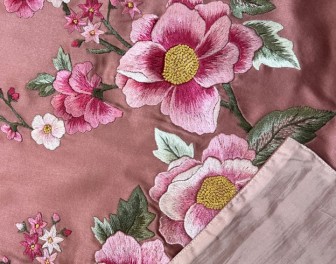
Hand-Embroidered vs Printed Silk Scarves: Which to Gift?
_cr_720x720_cr_336x264.jpg)
Meaningful Personalized Gifts: What Makes Them Feel Truly Special



Add: 61 Hang Gai St., Hoan Kiem Dist., Hanoi, Vietnam
Hotline: +84 936631368
Email: info@tanmydesign.com