

Are Hand-Embroidered Silk Scarves Worth the Price?
Hand-embroidered silk scarves can be worth the higher price when their craftsmanship, silk quality, and artistic character are genuine and verifiable. Unlike mass-produced accessories, a carefully embroidered scarf may reflect hours of skilled handwork and a living textile tradition. Yet a higher price alone proves little. The distinction lies in what you can verify about the fabric, stitching, and origin.
Why do hand-embroidered silk scarves cost more?
Hand-embroidered silk scarves cost more because they combine high-quality silk, skilled artisan labor, intricate stitching, and careful finishing. Unlike mass-produced accessories, each hand-embroidered design requires individual attention, making craftsmanship a significant contributor to production costs.
The silk itself influences the price. Fabric quality, weight, and weave affect material requirements and handling. The embroidery adds another layer of complexity: delicate floral motifs, closely spaced stitches, subtle color transitions, and larger embroidered areas demand greater precision and time. Embroidery cost research identifies design complexity and working hours as important factors in production cost estimation.
Artisan skill and finishing are equally important. According to Tan My Design's embroidery documentation, the process involves transferring designs onto fabric, selecting threads, stitching by hand, washing, ironing, and inspection. Particularly intricate embroidery can require extended working periods, although actual hours vary by piece.
Vietnam's embroidery heritage also contributes cultural significance. Tan My Design traces its family embroidery business to 1969, connecting contemporary designs with generations of Vietnamese craftsmanship.
However, a higher price does not automatically guarantee superior craftsmanship. Branding, packaging, and retail margins also affect pricing. Buyers should examine silk composition, stitching quality, embroidered coverage, and finishing rather than relying on price alone.
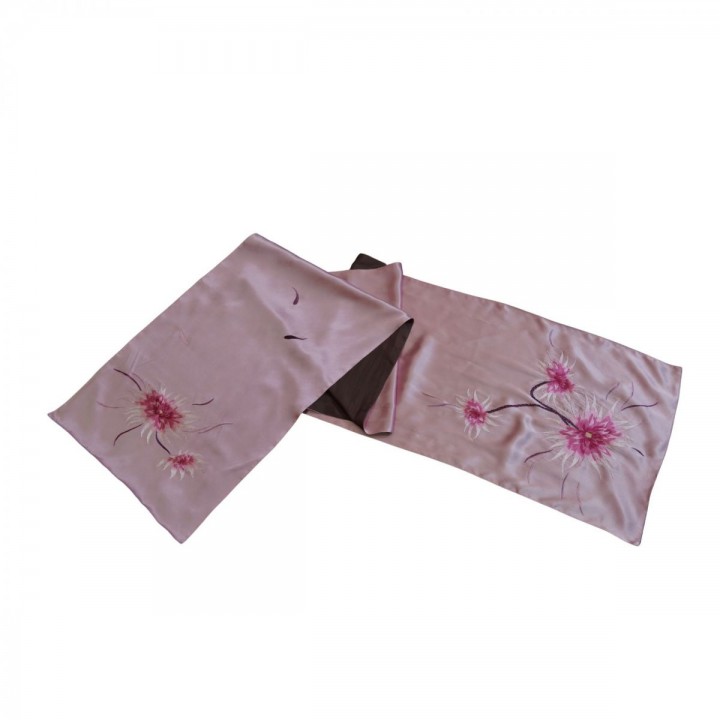
How can you tell whether a hand-embroidered silk scarf is high quality?
A high-quality hand-embroidered silk scarf combines careful needlework, well-finished edges, beautiful drape, and credible craftsmanship. When choosing a scarf, look beyond its decorative appeal and examine the details that reveal the care behind its creation.
- Examine the embroidery stitches. Look for balanced spacing, smooth curves, consistent thread coverage, and neatly defined motifs. Small variations may reflect handwork, but irregular stitches alone cannot prove a scarf was hand-embroidered.
- Check for puckering. The silk should lie naturally around embroidered motifs without excessive gathering or distortion. Tight stitching can pull delicate fabric out of shape.
- Inspect both sides. Examine the reverse for secured thread ends, loose loops, and signs of fabric strain. A tidy reverse suggests careful finishing, although its appearance alone cannot establish whether the embroidery is handmade.
- Assess the silk's texture and drape. Quality silk should feel appropriate to its weave and intended use, with a natural, graceful fall. However, softness and sheen cannot independently confirm genuine silk.
- Look closely at the edges. Even hems, secure stitching, and neatly finished corners contribute to a scarf's overall refinement and durability.
- Ask about materials and provenance. Request the fiber composition, embroidery technique, and artisan or workshop details. For valuable pieces, independent fiber testing offers stronger evidence than appearance alone.
Ultimately, the most meaningful signs of quality combine visible craftsmanship with trustworthy information about materials and making.
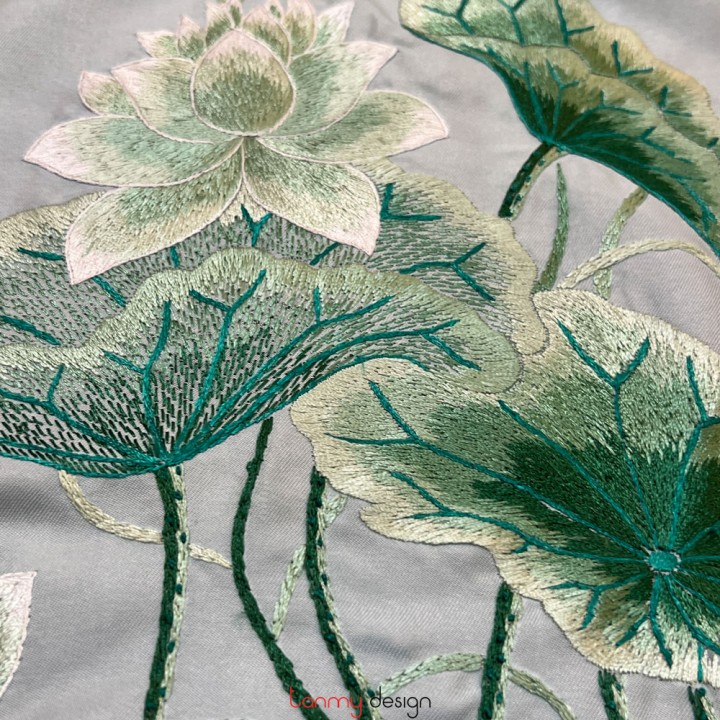
Hand-embroidered vs. machine-embroidered vs. printed silk scarves: What are you paying for?
The difference lies not simply in appearance, but in craftsmanship, production time, texture, and individuality. Even when made from comparable silk, these three techniques create distinct forms of value.
| Feature | Hand-embroidered silk | Machine-embroidered silk | Printed silk |
|---|---|---|---|
| Technique | Artisans stitch motifs individually by hand. | Digital patterns guide automated stitching. | Dyes or pigments create designs on fabric. |
| Craftsmanship | Labor-intensive, requiring individual skill and precision. | Skilled preparation with consistent machine execution. | Specialized printing and color-finishing processes. |
| Texture | Raised, expressive stitches with subtle variations. | Raised embroidery with greater uniformity. | Generally smoother, preserving silk's natural drape. |
| Uniqueness | Individual differences between pieces. | Highly repeatable designs. | Consistent patterns and detailed imagery. |
| Best suited for | Meaningful gifts and artisanal statement pieces. | Repeatable decorative motifs and monograms. | Everyday elegance and elaborate all-over patterns. |
These distinctions reflect established embroidery techniques and textile-printing methods.
For perspective, Tân Mỹ Design's hand-embroidered silk scarves have been listed at VND 6,550,000, compared with VND 1,890,000 for its 90 × 90 cm printed silk scarf. However, their different dimensions and specifications prevent attributing the price gap solely to hand embroidery.
The essential distinction: Hand embroidery offers visible human craftsmanship and individuality, machine embroidery offers consistent stitched decoration, and printing offers detailed artistry with minimal added thread bulk. None automatically guarantees superior silk quality or durability.
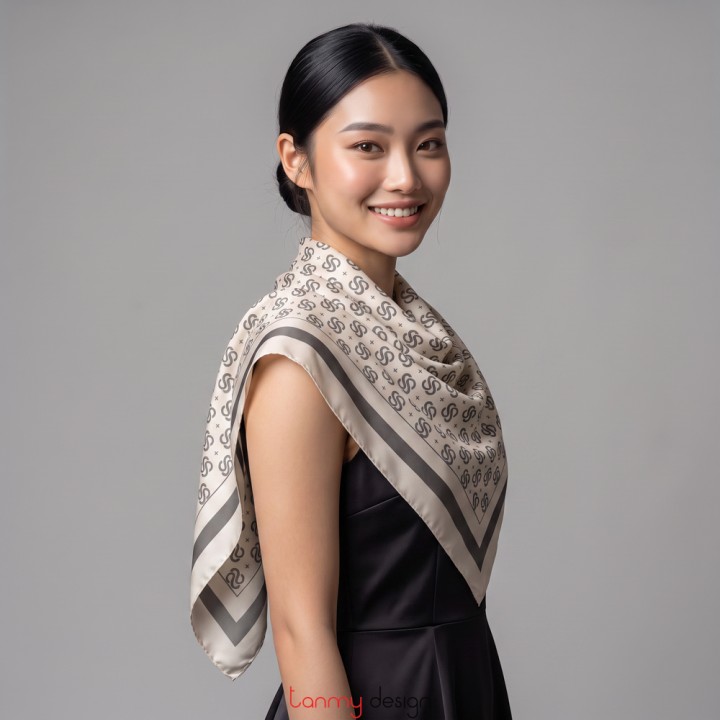
When is a hand-embroidered silk scarf worth the extra money and when is it not?
A hand-embroidered silk scarf is worth the extra money when its craftsmanship, distinctive design, and personal meaning matter to you. It may be less worthwhile if you primarily need an affordable, low-maintenance accessory for everyday wear. The premium reflects qualities you value, not a guarantee of greater durability or financial worth.
Research involving 299 traditional-handicraft customers found that personal preferences and perceived value positively influenced satisfaction. Similarly, experimental research on craft purchases identified product appeal, affordability, practical need, and information about the artist as important influences on willingness to pay.
Consider paying more when:
- For personal style: The embroidery, colors, and silk drape complement your wardrobe and special occasions.
- For meaningful gifts: The recipient appreciates Vietnamese craftsmanship, cultural heritage, and thoughtful design.
- For artistic appreciation: You value the maker's skill, distinctive stitching, and documented provenance.
Reconsider the premium when you need frequent machine washing, prioritize practicality over artistry, or cannot verify the silk composition, embroidery quality, and workshop origin.
A documented buyer review of a hand-embroidered silk scarf illustrates how individuality and craftsmanship can justify a higher price for one customer, though this cannot establish typical satisfaction.
The deciding question: Would you still choose this scarf over a less expensive alternative because its artistry genuinely speaks to you? If so, the premium may be worthwhile.
What should you check before paying for a hand-embroidered silk scarf?
Before investing in a hand-embroidered silk scarf, look beyond its beauty to confirm the fabric, craftsmanship, exact design, care requirements, and final purchase terms. These details help determine whether the scarf offers lasting value and suits your intended use.
- Silk quality and composition: Check whether the fabric is pure silk, its specific type, and the materials used for embroidery threads and decorative finishes. A general “silk” description does not establish every fibre component. See Tan My Design's Camellia scarf.
- Embroidery and finishing: Request close-up photographs of the stitching, reverse side, and hems to assess workmanship before purchasing.
- Size, colour, and design: Verify the dimensions, embroidered motif, available colour, and exact product code. Listings marked “Different colors” may require additional confirmation.
- Care requirements: Ask for the scarf-specific care label. Delicate embroidery may require professional cleaning rather than home washing, as explained in Tan My Design's silk care guide.
- Total purchase cost: Confirm the listed price, shipping charges, potential import duties, and any additional gift-packaging costs. Shipping fees depend on the destination.
- Availability and return conditions: Confirm stock before payment. Published policies restrict returns primarily to defective or incorrectly supplied products, with additional conditions for exchanges.
A scarf is worth considering when its craftsmanship, design, care needs, and confirmed total cost align with what you value.
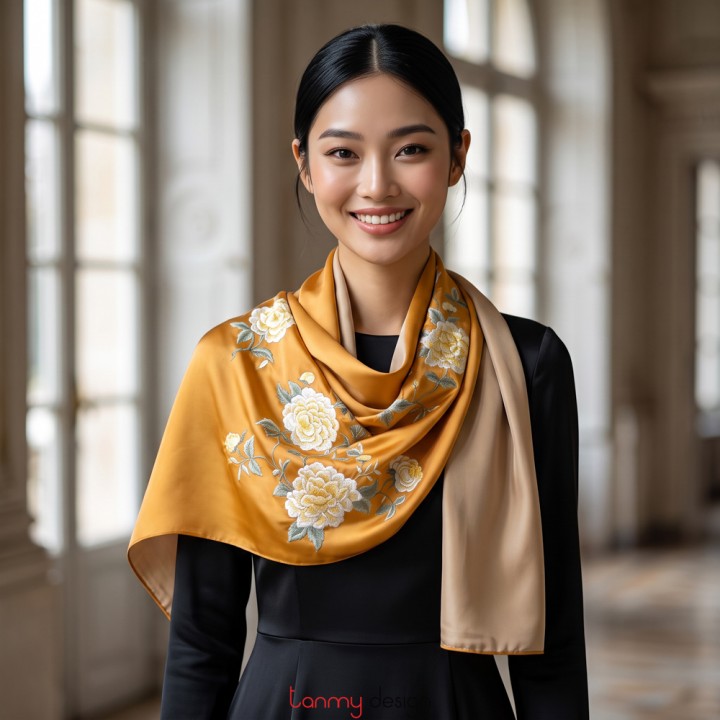
A hand-embroidered silk scarf is a worthwhile investment when its beauty is matched by authentic craftsmanship and transparent provenance. For a meaningful gift or a personal keepsake, the value lies in artistry you can appreciate and a tradition worth preserving. Before paying a premium, examine the material and embroidery closely, and ask about its maker. At Tân Mỹ Design, begin by exploring pieces whose craftsmanship and cultural story speak to you.
Other articles
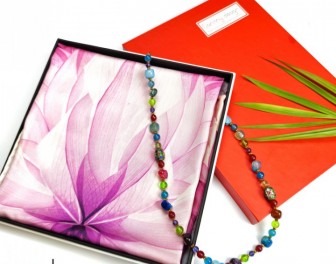
Why Choose Mulberry Silk for Hand-Embroidered Scarves?
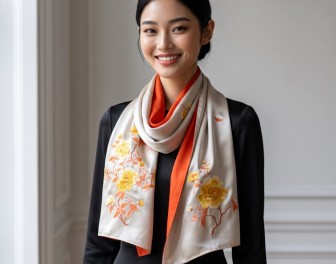
How to Style Embroidered Silk Scarves for Office Dress Codes
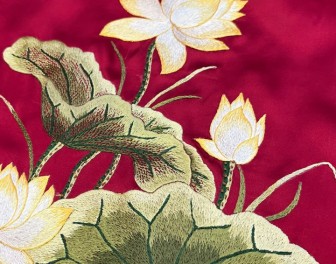
Where to Buy Authentic Hand-Embroidered Silk Scarves: A Trusted Buying Guide
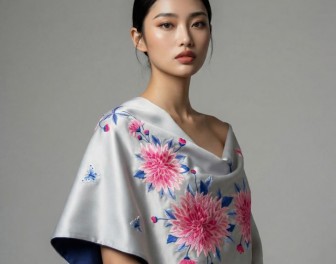
How to Choose Hand-Embroidered Silk Scarves as Gifts



Add: 61 Hang Gai St., Hoan Kiem Dist., Hanoi, Vietnam
Hotline: +84 936631368
Email: info@tanmydesign.com