
.png)
How to Care for a Silk Scarf Without Damaging It
A silk scarf should not be washed simply because it is made of silk. The safer choice depends on the scarf as a finished piece: its care label, dyes, construction, embroidery or trims, existing condition, and how it will be handled while wet. For a scarf chosen as a meaningful or prestigious gift, careful maintenance also helps preserve the craftsmanship and character that made it worth giving. Start with the maker’s instructions, then decide whether gentle hand washing or professional care is appropriate.
Check the Care Label Before You Wash a Silk Scarf
Before washing a silk scarf, check both the care label and the scarf itself. “100% silk” describes the fibre; it does not automatically mean the scarf is safe to wash at home. The cleaning instructions and the scarf’s construction should decide the method.
Use this quick silk scarf care checklist:
- Cleaning method: Look for “hand wash,” “machine wash,” “dry clean,” “dry clean only,” or “do not wash.” Treat “dry clean only” as a stop sign for home washing.
- Water and drying: Check the permitted temperature, whether spinning or wringing is restricted, and whether tumble drying is prohibited.
- Bleach and ironing: Follow any “do not bleach” or low-heat ironing instructions; chlorine bleach can damage silk fibres.
- Condition: Do not wash silk that appears brittle, thin, frayed, split, powdery, or structurally weak.
- Details: Inspect hand-rolled hems, embroidery, beads, tassels, painted areas, linings, metallic threads, or mixed materials. These additions can react differently to water.
- Colour: Test an inconspicuous area with cool water and a clean white cloth. If colour transfers, stop.
For a valuable, vintage, heavily embellished, or unclear scarf, professional cleaning is safer than simply washing more gently.
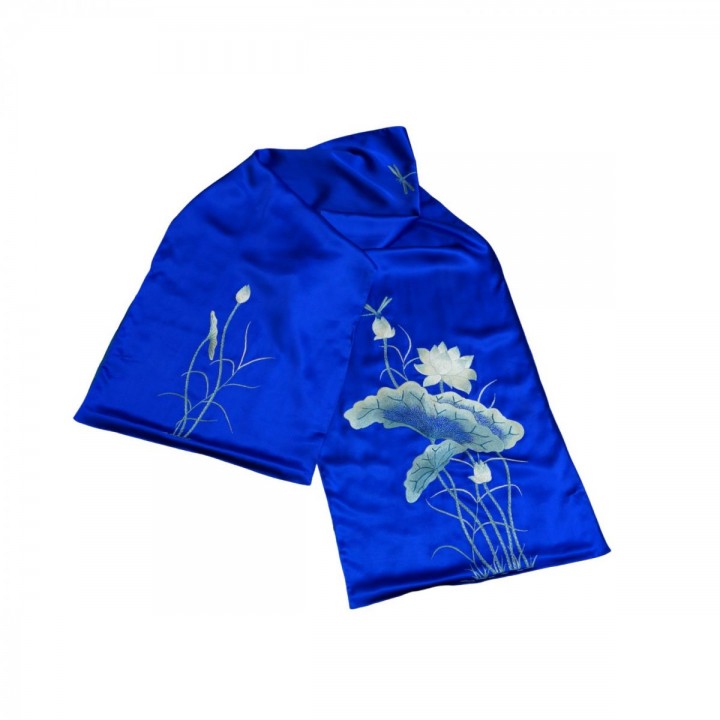
Hand Wash or Dry Clean? Choose the Safer Option for Your Scarf
The safest choice depends less on silk alone than on the scarf’s care label, dye stability, construction, value, and type of stain. Hand washing can suit a simple, colorfast scarf with light soil, but professional cleaning becomes the safer choice when water, handling, or stain treatment could permanently change the piece.
| Check your scarf | Safer option |
|---|---|
| Label says “hand wash”, colors do not transfer, no delicate decoration, only light soil | Gentle hand wash |
| Label says “dry clean” but not “only,” and the scarf is simple and colorfast | Hand washing may be possible, but follow the maker’s instructions first |
| Label says “dry clean only” or washing is prohibited | Professional cleaning |
| A damp white cloth picks up dye during a hidden-area test | Professional cleaning |
| Bright or strongly contrasting colors appear unstable | Professional cleaning |
| Oil, wine, makeup, ink, or another difficult stain is present | Professional cleaning |
| Vintage, valuable, embroidered, beaded, pleated, fragile, or structurally unusual | Professional cleaning |
This distinction matters because there is no reliable rule that all silk should be hand washed or all silk should be dry cleaned. Even washable silk can fade, bleed, shrink, lose shape, or change texture.
For a treasured or presentation-worthy scarf, preserving the original color, finish, and craftsmanship is more important than choosing the most convenient cleaning method.
How to Hand Wash a Silk Scarf Safely
Hand washing can be safe for a silk scarf only when its care label allows washing and its dyes are colourfast. Before immersing the scarf, test a hidden area with a damp white cloth; if colour transfers, or the label says “dry clean only,” professional cleaning is the safer option.
- Fill a clean basin with cool or lukewarm water, ideally no warmer than about 30°C.
- Add a small amount of mild detergent made for silk, wool, or delicate fabrics, mixing it into the water before adding the scarf.
- Submerge the scarf for only 2–5 minutes. Move it gently through the water; never scrub, rub, or twist it.
- Rinse gently in fresh, similarly cool water until no detergent remains.
- Remove moisture without wringing. Support the wet scarf, place it flat on a clean towel, roll the towel loosely, and press gently.
- Dry the scarf flat, away from direct sunlight, radiators, and tumble dryers.
The important principle is minimum stress while the silk is wet. Saturated silk is more vulnerable to stretching and fibre damage, so longer soaking, strong detergents, heat, and forceful handling increase the risk rather than improving cleaning.
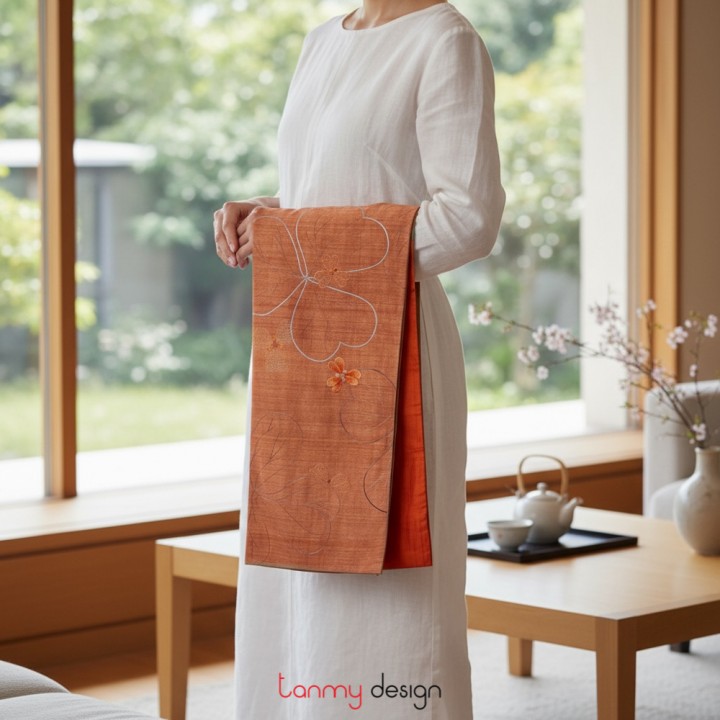
How to Dry a Silk Scarf Without Stretching or Damaging It
After washing, never wring or twist a silk scarf. Instead, gently press out excess water, place the scarf flat on a clean, dry towel, roll the towel around it, and press lightly so the towel absorbs moisture.
Unroll it while still damp, smooth the edges back into shape, then leave it flat in the shade until completely dry. This reduces the risk of stretching, shrinking, fading, or leaving permanent creases.
Flat drying matters most when the scarf is very wet, loosely woven, cut on an angle, or decorated with embroidery, beads, sequins, or metal thread. Wet silk is more vulnerable to damage, while added decoration increases weight and can pull the fabric out of shape. Such pieces need full support rather than hanging freely.
Keep silk away from direct sunlight, radiators, hair dryers, and tumble dryers. Strong light may fade dyes, while heat can weaken or distort the fabric. For brightly colored or printed scarves, check the care label carefully because some dyes may run when wet.
Most importantly, the scarf’s care label takes priority. If it says “dry clean only” or gives a special drying instruction, follow that guidance rather than the general flat-drying method.
Remove Wrinkles From Silk Without Scorching or Marking It
For a silk scarf, begin with the gentlest option: let light creases relax naturally, then use heat only if the scarf’s care label permits it. The label for the finished scarf matters more than fibre content alone because embroidery, metallic threads, trims, or other decoration may tolerate less heat than the silk itself.
For plain, modern silk, carefully hanging or laying the scarf flat may release minor wrinkles. If ironing is allowed, turn the scarf to its reverse side, cover it with a clean white cotton cloth, select the lowest silk setting, and keep the iron moving with very light pressure. Never iron over stains, makeup, embroidery, beads, raised decoration, or rolled hems.
Steam requires more caution than it may appear. Some makers allow gentle steaming or slight dampness, while others specify dry ironing without steam. Therefore, do not assume steam is automatically safer than an iron. Avoid spraying isolated drops onto silk, as moisture may leave marks or disturb dyes.
For hand-finished, vintage, heavily decorated, or especially valuable scarves, gentle reshaping and supported air-drying are safer first choices. If the label prohibits heat or steam, or the fabric shows loose threads, discoloration, or weakness, stop rather than experiment at home.
Store a Silk Scarf to Prevent Creases, Snags, and Long-Term Damage
Store a silk scarf clean, completely dry, loosely supported, and away from light, moisture, and pressure. For most valuable scarves, a shallow box or drawer lined with acid-free tissue offers better protection than leaving the silk exposed or tightly folded.
If folding is necessary, make broad, soft folds and place unbuffered, acid-free tissue inside each fold so the silk bends around a cushion rather than forming a sharp crease. For larger scarves, loose rolling around a wide acid-free tube can reduce repeated fold lines, provided the fabric is strong, undecorated, and rolled without tension. Fragile, beaded, painted, or weakened silk is safer stored flat rather than rolled or hung.
Protection matters as much as folding method. Keep silk away from heavy items, rough surfaces, clips, narrow hangers, and overcrowded drawers that can create pressure or snags. Store it in darkness in a cool, reasonably stable environment, using breathable materials rather than sealed plastic, which can trap moisture.
For scarves kept for years, inspect them periodically and change the fold positions. The goal is not a perfectly rigid storage method, but to prevent the same areas of delicate silk from carrying pressure, light exposure, or sharp creases continuously.
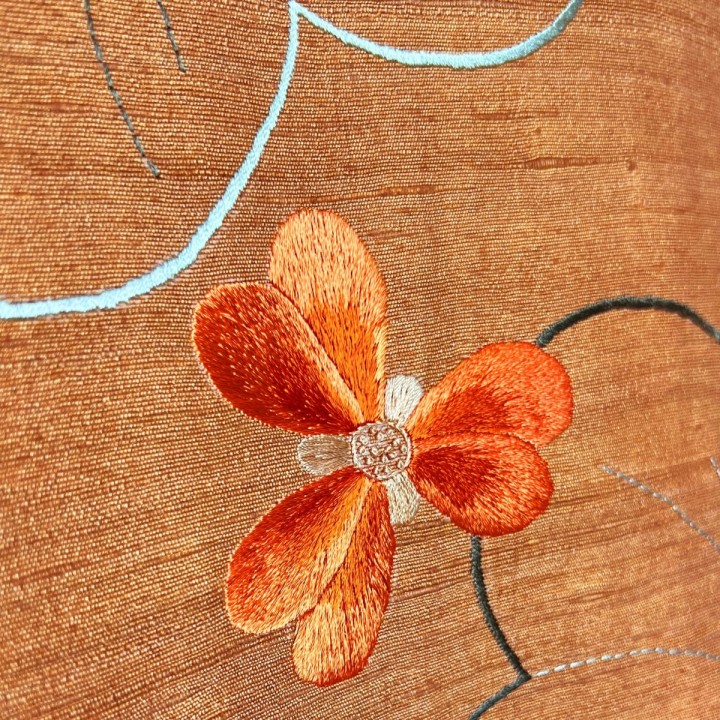
How to Pack and Care for a Silk Scarf While Traveling
A silk scarf travels best when it is clean, completely dry, loosely packed, and protected from pressure, rough objects, and liquids. There is no single “best” packing method: both loose rolling and soft folding can work, provided you avoid tight compression and follow the scarf’s care label.
Before packing, lay the scarf on a clean surface and smooth it gently. Either fold it loosely or roll it without pulling the fabric tight. For delicate, printed, or especially valuable scarves, place clean acid-free tissue paper along the folds to soften hard crease lines. Then put the scarf inside a smooth, breathable fabric pouch so it does not rub against zippers, jewelry, shoes, or other rough items. Avoid vacuum bags and an overfilled suitcase, which can press deep wrinkles into silk.
Keep the pouch away from toiletries, damp clothing, perfumes, and oils. On arrival, unpack the scarf promptly and let light wrinkles relax naturally. If more care is needed, use gentle steam or low heat only when the care label allows it.
If a spill occurs, blot gently with a clean white cloth do not rub, scrub, or immediately apply heat or stain-removing chemicals. For valuable silk or an uncertain stain, professional silk cleaning is the safer choice.
Silk Scarf Care Checklist: What to Do and What to Avoid
The safest way to care for a silk scarf is to minimize heat, friction, harsh chemicals, prolonged moisture, and unnecessary handling. Start with the care label: if it says “dry clean only,” if the label is unclear, or if a hidden-area color test shows dye transfer, stop and use a silk-experienced cleaner rather than experimenting at home.
Do:
- Hand wash in cool water, ideally no warmer than 30°C, using a mild, pH-neutral detergent without enzymes.
- Soak only briefly around 3–5 minutes and gently move the scarf through the water.
- Rinse with cool water, then roll it inside a clean towel to absorb excess moisture.
- Air-dry flat or on a padded/plastic hanger, away from sunlight and heat.
- Store in a cool, dry, dark place using breathable fabric or, for long-term storage, unbuffered acid-free tissue.
- When travelling, roll loosely rather than repeatedly folding the scarf along the same lines.
Avoid: wringing, scrubbing, bleach, fabric softener, enzyme-based cleaners, hot drying, direct sunlight, tight elastic bands, and long-term storage in plastic.
The important exception is a scarf with unstable dyes, hand painting, embroidery, beads, damaged edges, old stains, or weakened fabric. In these cases, even otherwise gentle hand washing can create bleeding, distortion, or permanent marks, so professional or maker-specific care is the safer choice.
The safest rule is simple: treat the scarf itself, not the word “silk,” as your guide. Home washing is most reasonable when the label allows it, the construction is simple and sound, the colors appear stable, and the scarf can be handled and dried gently. When the piece is embellished, fragile, valuable, damaged, or marked for professional cleaning, avoiding unnecessary experimentation is the better way to protect it. Before cleaning, check the care label and the maker’s instructions first.
Other articles

Vietnamese Silk Scarf Motifs: Meanings & Gift Choices
Square vs Long Silk Scarf: Which Makes a Better Gift?
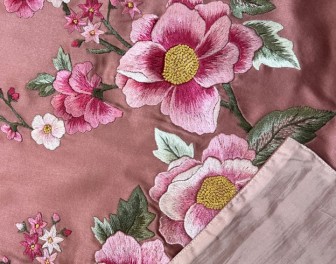
Hand-Embroidered vs Printed Silk Scarves: Which to Gift?
_cr_720x720_cr_336x264.jpg)
Meaningful Personalized Gifts: What Makes Them Feel Truly Special




Add: 61 Hang Gai St., Hoan Kiem Dist., Hanoi, Vietnam
Hotline: +84 936631368
Email: info@tanmydesign.com