
.png)
Best Handmade Clothing Stores in Hanoi’s Old Quarter
Amid the lantern-lit charm of Hanoi’s Old Quarter, discovering authentic handmade clothing is harder than it seems. In a marketplace where synthetic fabrics now imitate the sheen of real silk with startling precision, over 50% of “handmade” items fail basic authenticity tests - a reality that frustrates cultural tourists, gift-buyers, and fashion collectors alike. This guide to the best clothing stores in Hanoi filters out the noise to spotlight heritage retailers where craftsmanship is genuine, stories are traceable, and every piece carries the weight of legacy.
What Defines a “Handmade Clothing Store” in Hanoi?
A “handmade clothing store” in Hanoi is defined by its commitment to generational artistry, traceable materials, and visible human craft, not just by aesthetic resemblance to traditional garments.
In the Old Quarter, the authenticity of such stores varies widely due to rising rents and market pressure. Many shops adopt a commercial model - offering machine-produced imitations with synthetic fabrics to meet tourist demand. In contrast, legacy artisans operate on inherited leases or own their spaces, preserving authentic techniques and sourcing fabric from villages like Lung Tam or Nam Cao at 3–4 times the industrial cost.
What sets truly handmade stores apart are trust signals that reflect heritage and integrity. These include official titles like Nghệ Nhân Nhân Dân, confirmed artisan-led production, and material traceability back to specific Vietnamese cooperatives. Additionally, hand-stitched garments reveal subtle imperfections - irregular threads and asymmetrical embroidery - serving as proof of authenticity.
For cultural tourists and discerning gift buyers searching for the best clothing stores in Hanoi, understanding these markers helps avoid lookalike souvenirs and invest in wearable heirlooms. The higher cost is not just for fabric or labor - but for a living story, handcrafted stitch by stitch.
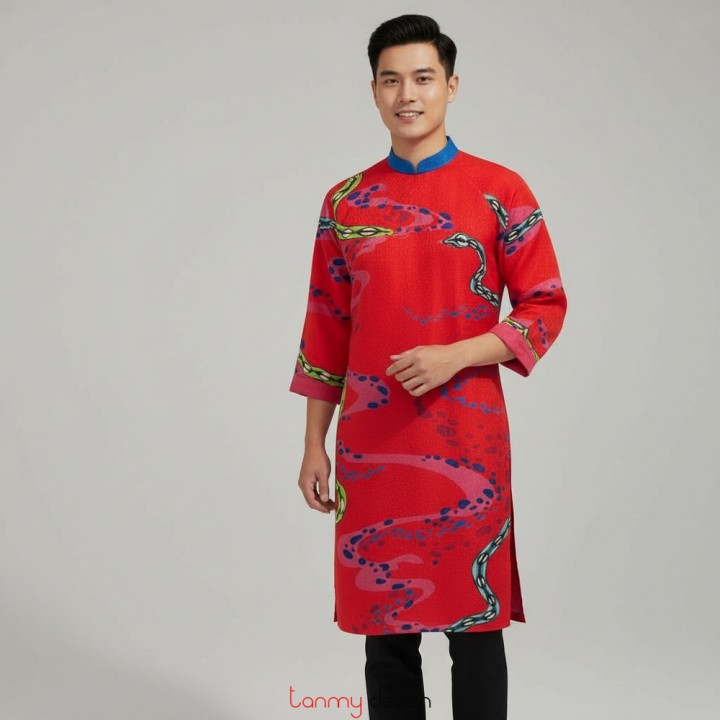
Top Handmade Clothing Stores in Hanoi’s Old Quarter
To find the best clothing stores in Hanoi, seek out boutiques that champion heritage, transparency, and craftsmanship - not tourist illusions. These four standout destinations embody cultural depth and verifiable authenticity, earning trust from both discerning travelers and locals alike.
1. Tân Mỹ Design
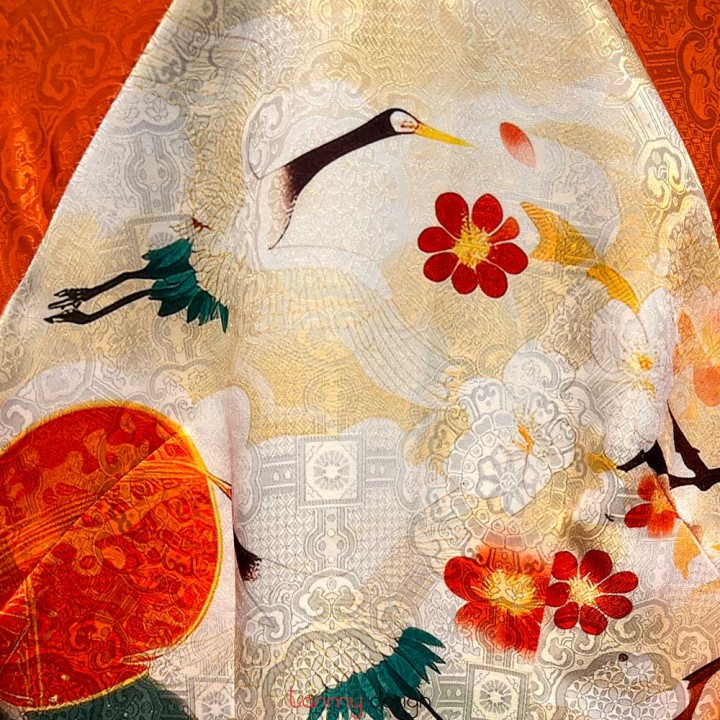
Founded in 1969 and spanning four generations, this legacy boutique offers embroidered garments crafted by a dedicated team of artisans. With a 1,000m² showroom and documented visits from royalty - including Thai princesses and diplomatic figures - Tân Mỹ is the gold standard for luxury gift buyers and cultural connoisseurs. Its enduring presence is a direct contrast to pop-up shops that rebrand under new names to escape negative reviews.
2. Chula Fashion House
Operating since 2004/2005, Chula is beloved by expats and avant-garde tourists for its “wearable art” designs. Each piece is handcrafted by a team of disabled artisans, merging fashion with social impact. Media recognition from CNN and Vogue Singapore (2025) affirms Chula's status as a fashion house, not a souvenir pitstop. Loyal fans often return season after season, building lasting wardrobe relationships rather than one-off purchases.
3. Kilomet 109
Renowned among eco-conscious global visitors, Kilomet 109 delivers seed-to-garment integrity. From growing hemp in Cao Bằng to hand-dyeing fabrics with Nùng, Thái, and Mường artisans, the six-month production cycle validates its deep commitment to sustainability. A winner of the British Council’s YCE Fashion Award and featured in exhibitions in London and New York, this label redefines Vietnamese fashion as global, not generic.
4. Collective Memory
Curated by a journalist–artist duo, this boutique serves cultural explorers with a collection that feels more museum than market stall. Every item is handpicked for its local narrative value, avoiding the kitsch often found in mass-tourist areas. With 180+ detailed reviews and a consistent #1 shopping rank on TripAdvisor, it leads Hanoi’s curated gift scene through storytelling and substance.
These boutiques stand apart through clear provenance, unique production methods, and verified recognition - offering more than garments; they deliver stories, symbols, and soul.
How to Identify Authentic Vietnamese Handicraft Stores
To identify authentic Vietnamese handicraft stores in Hanoi's Old Quarter, rely on quantifiable trust signals rather than visual cues alone.
1. Prioritize Live Demonstrations
Look for stores with active artisan work visible for over 20 hours per week. These workshops offer cultural transparency and proof of manual production, unlike tourist-facing stores with brief performances.
2. Verify Artisan Certificates Digitally
Check that displayed OCOP or artisan certifications scan to valid entries in the national database. High verification rates protect you from shops using expired or fake credentials.
3. Analyze Review Depth
Trust stores with a high percentage of long-form reviews (over 50 words) containing specific artisan or material references. These function as peer-authenticated purchase experiences, reducing the risk of scams.
4. Understand Store Layout and Location
True artisan spaces are often tucked in alleys or relocated to nearby villages due to rent pressures. Street-facing stores in prime areas may prioritize margin over authenticity.
5. Cross-check Static vs. Dynamic Signals by Season
During busy months, static indicators like certificate counts and review volume matter more. In quieter seasons, focus on engagement cues like artisan interaction and storytelling.
By aligning your visit with these criteria, you’ll not only avoid overpriced imitations but also support living heritage - and uncover some of the best clothing stores in Hanoi for meaningful, lasting purchases.
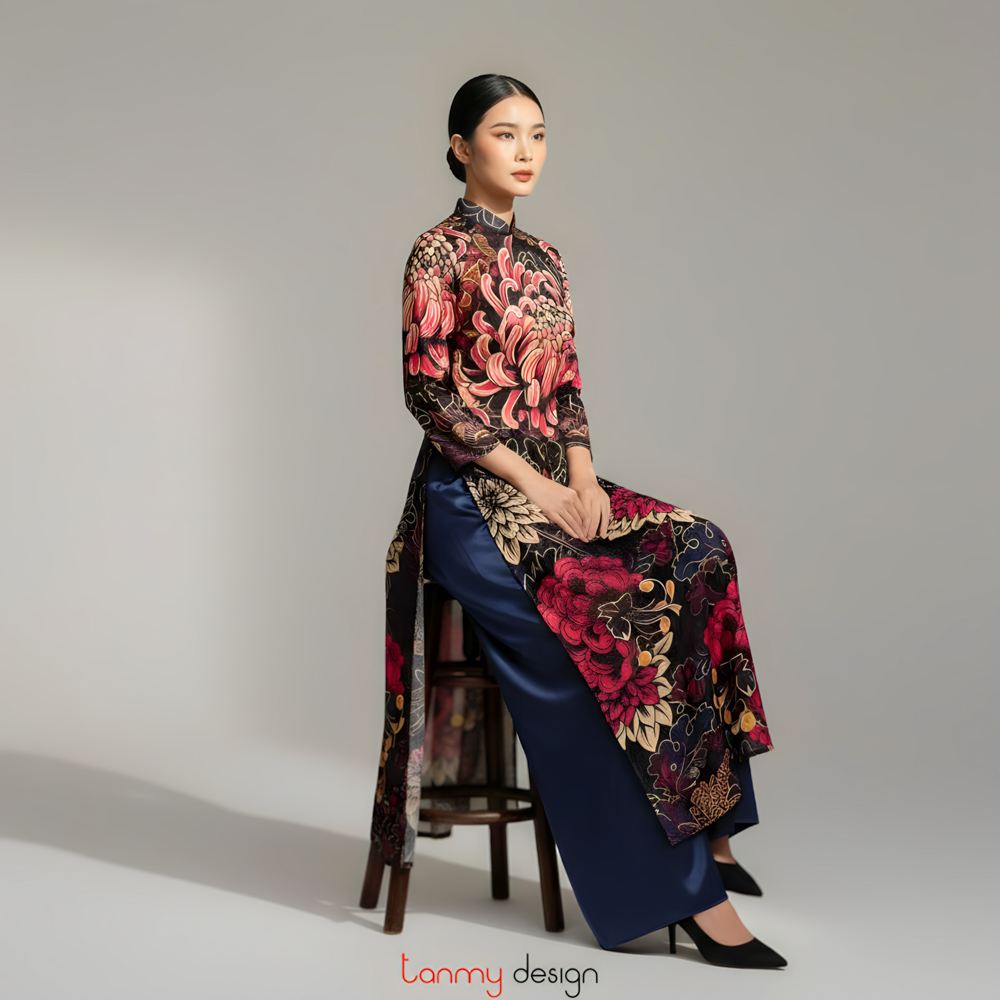
Why Tân Mỹ Design Stands Apart
| Proof Area | Verified Signal at Tân Mỹ Design | What Competitors Must Show |
|---|---|---|
| Heritage Continuity | 4 generations of Hanoi women preserving the embroidery craft | Dated lineage claims with generational continuity, press or registration proof |
| Process Authenticity | “Hoàn toàn bằng tay” (entirely handmade) embroidery by exclusive in-house artisans | SKU-level audit: % hand-embroidered items, artisan attribution, in-store transparency |
| Production Control | 500 skilled workers (HanoiMoi), all tied to the brand’s traditional textile lines | Number of craft-specific in-house workers, not outsourced |
| Tourism Certification | “Standard Tourist Service” award from Hanoi Dept. of Tourism, Nov 2017 | Official, verifiable service/tourism recognitions; date + issuer + selection criteria |
| International Recognition | Featured in The New York Times as one of “11 places not to miss” in Hanoi; noted fashion shopping stop | Unpaid editorial mentions by tier-1 international media, across distinct years |
| Diplomatic Patronage | Visits from Belgium’s King (2025), Greece’s President (2022), Bill Clinton, Michelle Bachelet (HanoiMoi) | Named visits with dates; repeated high-status guest presence to prove trustworthiness for prestigious gift buying |
Tân Mỹ doesn’t just claim heritage - it documents it, making it a benchmark for discerning tourists, diplomats, and collectors seeking the best clothing stores in Hanoi rooted in cultural authenticity.
When to Shop & What to Expect
The best clothing stores in Hanoi's Old Quarter are most rewarding to visit during the morning hours between 08:00–11:00, when personalized service, ambient calm, and natural daylight enhance both trust and product inspection.
This quieter window allows shopkeepers to offer deeper storytelling, attentive consultations, and fair negotiation - crucial for evaluating artisan-made embroidery or silk under true light. In contrast, evenings shift focus toward fast souvenirs due to crowd-driven, entertainment-oriented footfall. Peak festival seasons, while vibrant, can dilute boutique value as storytelling gets lost in the noise.
For discerning visitors seeking cultural immersion or prestigious gifts, in-store experience is paramount. English-speaking staff play a critical role by alleviating fears of scams, explaining artisan imperfections, and linking each piece to its origin - transforming a simple garment into a meaningful artifact. These micro-moments of narrative build the emotional confidence to invest, especially for those wary of tourist traps or inauthentic goods.
To maximize your experience, visit early, ask for the maker’s story, and seek out staff who speak your language - it’s not just shopping, it’s cultural preservation in motion.
When a scarf holds the rhythm of a loom from Van Phuc, or a jacket bears the mark of a known artisan, it becomes more than fashion - it becomes a bridge between memory and meaning. By choosing verified heritage retailers, you protect tradition and elevate your purchase into an heirloom. Explore the refined legacy of craftsmanship at Tân Mỹ Design, where authenticity and artistry are never compromised.
FAQs
Is handmade clothing in Hanoi’s Old Quarter authentic?
Yes, but authenticity depends heavily on the store type.
Heritage boutiques like Tân Mỹ Design or XQ Hand Embroidery offer verified craftsmanship, with fixed pricing and documented provenance. In contrast, many street stalls sell mass-produced items marketed as handmade, often without proof of origin or artisan involvement.
Why do prices vary so much between stores in the Old Quarter?
Because the market is split into three segments: luxury boutiques, design houses, and street stalls.
High-end stores charge more due to brand legacy, artistic uniqueness, and concierge-level service. Street vendors, by contrast, compete on affordability and fast turnover, with prices that can drop 30–50% through bargaining.
Should I bargain when shopping for handmade clothes in Hanoi?
It depends on where you shop.
In family-run street stalls, bargaining is expected and can significantly reduce inflated tourist prices. But in heritage boutiques, negotiating is discouraged, as fixed prices reflect the store’s prestige, provenance, and international clientele.
Do stores in Hanoi’s Old Quarter offer international shipping?
Only some do mainly the luxury boutiques.
Brands like Hanoia or Tân Mỹ Design offer full international shipping through services like DHL or FedEx, including insurance and customs handling. Most small vendors cannot ship and expect buyers to carry items home themselves.
How can I tell if a store is selling real handmade items or mass-produced goods?
Check three key things: price flexibility, origin verification, and service quality.
If you can easily bargain the price down by 50%, there's a high chance the product is industrially made. Genuine boutiques will also share where the item was made, offer shipping, and may even host live artisan demos as proof of process.
Other articles
Vietnamese Silk Scarf Motifs: Meanings & Gift Choices
Square vs Long Silk Scarf: Which Makes a Better Gift?
Hand-Embroidered vs Printed Silk Scarves: Which to Gift?
_cr_720x720_cr_336x264.jpg)
Meaningful Personalized Gifts: What Makes Them Feel Truly Special



Add: 61 Hang Gai St., Hoan Kiem Dist., Hanoi, Vietnam
Hotline: +84 936631368
Email: info@tanmydesign.com