
.png)
Gift for Husband Who Has Everything: How to Choose One He’ll Love
A gift for a husband who has everything does not need to fill a practical gap. When he can already buy what he wants, the stronger choice is often something that shows how well you know him: a gift connected to his interests, your shared history, or an experience you can remember together. Usefulness still matters, but meaning, personal relevance, and the thought behind the choice can make a gift feel different from something he would simply purchase for himself.
Why Is It So Hard to Buy a Gift for a Husband Who Has Everything?
Buying a gift for a husband who has everything is difficult because the usual shortcut finding something he needs no longer works.
When someone can comfortably buy things for himself, research suggests that recipients care less about how surprising a gift is than whether it matches their preferences, interests, and relationship with the giver. In five studies, Gino and Flynn found that recipients appreciated gifts they had explicitly requested more than unrequested ones, even though givers often assumed an unexpected choice would appear more thoughtful
That does not mean the safest gift is always the most familiar one. Novelty can add value when it reinforces something already meaningful to himsuch as a niche interest, a shared memory, or an experience he genuinely wants to try. Experiential gifts have also been shown to strengthen relationships more than material gifts in some settings because of the emotions created while the experience is being enjoyed.
Consider the difference between an unusual gadget chosen mainly because he has never seen it before and a distinctive handcrafted object connected to an interest, place, or story he values. Both may be unexpected, but only the second has a clear reason to belong to him. For someone who already owns plenty, personal fit should lead; novelty should make that fit more memorable, not replace it.
What Should You Look at Before Choosing His Gift?
Before choosing a gift for a husband who has everything, look at what he repeatedly wants, uses, enjoys, and chooses to spend time on. Research on gift-giving suggests that what someone actually wants or does is often a better guide than simply matching a gift to a broad label such as “coffee lover” or “traveler.”
Four signs are especially useful:
- He mentions the same thing more than once. A specific, repeated wish is usually stronger evidence than “anything is fine.”
- He keeps using, replacing, or upgrading something. Repeated use can reveal what genuinely fits his daily life.
- He has stayed interested in a hobby over time. Long-term interests are safer clues than a hobby he has only recently mentioned.
- He repeatedly chooses certain activities with you. If shared time matters to him, an experience may carry more meaning than another object.
| What you notice | What it may suggest | Gift direction |
|---|---|---|
| He repeatedly admires a particular object | A real, continuing preference | A carefully chosen physical gift |
| He uses one item every day | Practical value matters | A refined replacement or upgrade |
| He has sustained a hobby for years | The interest is established | Something connected to that hobby |
| He values time spent together | Shared memories matter | An experience or a gift tied to one |
The key is not to prove how well you know him with a clever surprise. Choose from the patterns he consistently shows.
Experience Gift or Physical Gift: Which Is Better for Him?
For a husband who already buys what he needs, an experience gift often has the advantage when your goal is stronger memories and emotional connection, while a physical gift can be the better choice when it solves a specific need or gives him something meaningful he can keep and use. Research comparing similar-value gifts suggests that the better choice depends less on the category itself than on how closely the gift fits the recipient.
| Same criterion | Experience gift | Physical gift |
|---|---|---|
| Enjoyment | Often creates stronger emotions while the experience is happening. | Can be highly satisfying when it closely matches his interests or needs. |
| Connection | Research generally finds a stronger effect on feelings of closeness to the giver. | Connection depends more heavily on the meaning attached to the object. |
| Lasting value | Memories may remain meaningful long after the event. | The object can provide a lasting, visible reminder of the giver. |
| Usefulness | Usually lower unless the experience itself answers a clear desire. | Stronger when the gift solves a real, known need. |
| Risk of getting it wrong | Higher when schedules, interests, or participation are uncertain. | Lower when you already know what he uses, collects, wears, or appreciates. |
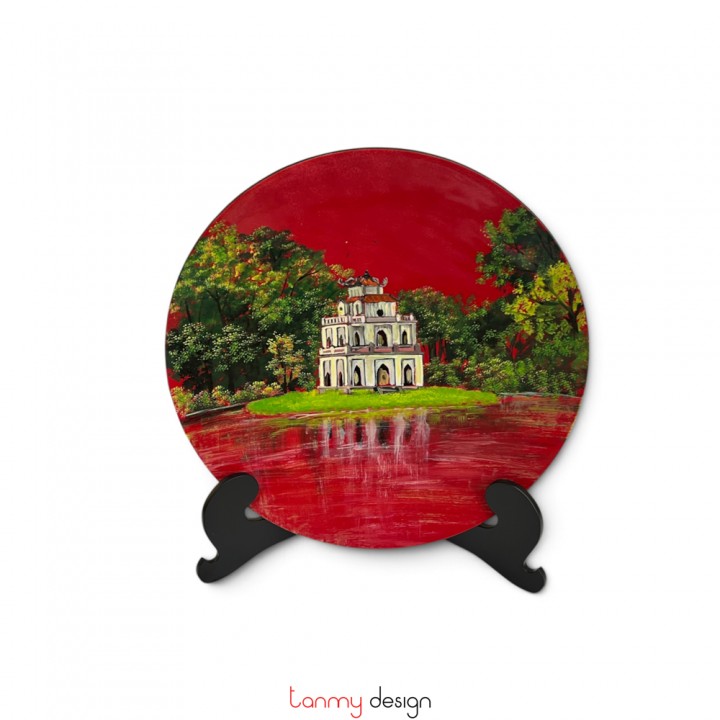
The practical rule is simple: choose an experience when you know what he would genuinely enjoy doing; choose a physical gift when you know what would feel distinctly his. For a handcrafted gift, the craftsmanship alone is not enough the material, story, design, or cultural meaning should connect naturally with his taste rather than simply make the object unusual.
What Types of Gifts Work When He Usually Buys Everything Himself?
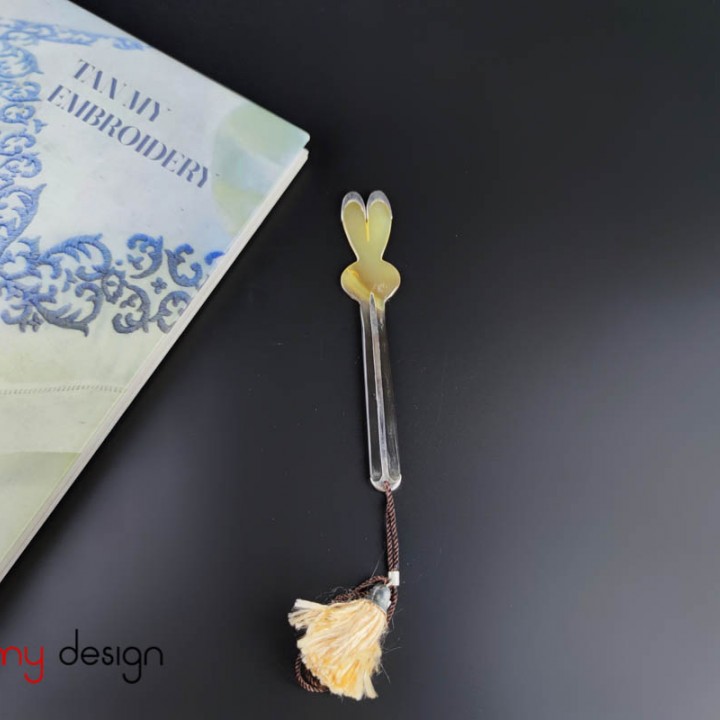
When your husband usually buys what he needs, the better question is not “What doesn’t he own?” but “What would he enjoy, yet probably not choose for himself?” Research on gift-giving suggests that experiences can strengthen connection, while personalized gifts can feel more meaningful when they reflect the recipient’s identity and preferences. The catch is that even thoughtful gifts can fail when they create pressure, duplicate something he owns, or misread his taste.
| If you notice this… | Gift type to consider | Example | Less suitable when… |
|---|---|---|---|
| He uses the same item constantly | A meaningful upgrade | A better version of an everyday accessory | He is highly particular about brands or specifications |
| He values memories more than possessions | An experience | A dinner, class, concert, or short trip | Scheduling would turn the gift into another obligation |
| He appreciates things made specifically for him | A personalized object | An item customized around a meaningful detail | You are unsure about his style or the personalization feels generic |
| He values craft, story, and individuality | A handmade piece | A handcrafted object, textile, or decorative piece | Craftsmanship or design does not match his taste |
| He has a serious hobby | A hobby-related gift | Materials, accessories, or a class | You do not know his exact setup or preferences |
| He dislikes accumulating possessions | A consumable | Specialty coffee, food, or another small indulgence | Dietary restrictions or personal preferences are uncertain |
The pattern is simple: choose around what you know about him, not around what he lacks. A gift for someone who has everything works best when it fits his life without adding clutter, pressure, or guesswork.
How Do You Know You’ve Chosen the Right Gift?
Before buying, run the gift through three questions:
1. Does it match something he actually wants?
Look for a specific signal: something he has mentioned, saved, admired, needed, or wanted to try. Research on gift giving suggests that recipients often value gifts that fit their real preferences more than gifts based on broad assumptions about their personality.
2. Can you picture him genuinely using or enjoying it?
Think beyond the moment he opens it. Can you imagine two or three realistic occasions when it would fit naturally into his life? Recipients tend to value gifts that are easy to enjoy or use, while givers can overvalue novelty, surprise, or immediate “wow.”
3. Would you still choose it if nobody knew you gave it?
This helps separate his preferences from your own taste or desire to make the gift look impressive. Price, uniqueness, and personalization are not automatically signs of a better gift if they reduce practical fit.
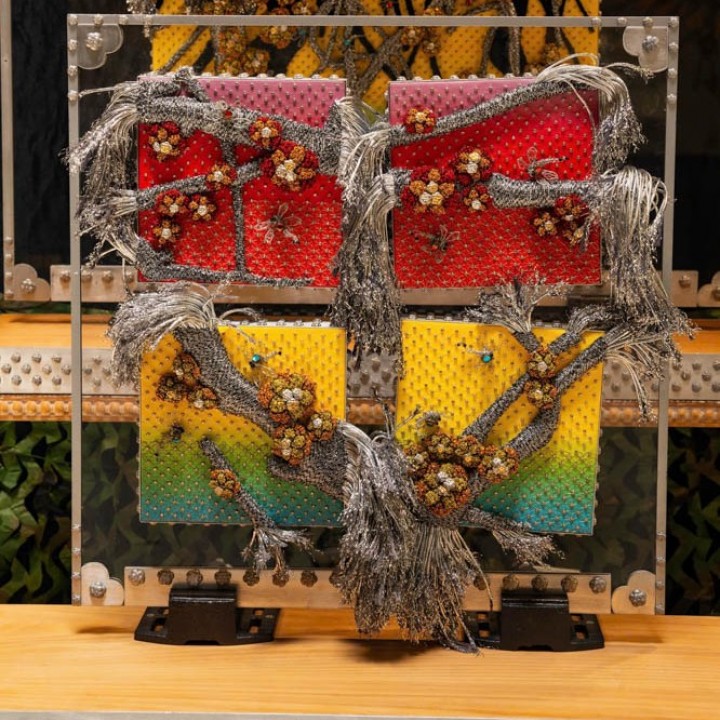
Pass: He has repeatedly admired Vietnamese craftsmanship, enjoys well-made objects at home, and you choose a handcrafted piece that fits his existing style.
Fail: You choose an expensive, highly decorative item mainly because it looks impressive, even though it does not match his taste or daily life.
For a husband who has everything, the right gift is usually the one that feels recognizably his, rather than simply special in general.
When choosing a gift for someone who buys everything themselves, stop asking what he still needs and focus on what only you are well placed to give. Look for something that reflects who he is, carries a specific reason for being chosen, or creates a meaningful experience between you. Whether you choose an experience or a physical gift, the useful test is simple: can you explain why this particular gift belongs to him rather than to almost anyone else?
Other articles
Vietnamese Silk Scarf Motifs: Meanings & Gift Choices
Square vs Long Silk Scarf: Which Makes a Better Gift?
Hand-Embroidered vs Printed Silk Scarves: Which to Gift?
_cr_720x720_cr_336x264.jpg)
Meaningful Personalized Gifts: What Makes Them Feel Truly Special



Add: 61 Hang Gai St., Hoan Kiem Dist., Hanoi, Vietnam
Hotline: +84 936631368
Email: info@tanmydesign.com