

How to Wear Hand-Embroidered Silk Scarves for Formal Events
To wear a hand-embroidered silk scarf for a formal event, choose a drape or knot that suits its size while allowing the embroidery to remain visible. A loose shoulder drape works particularly well with larger scarves and evening dresses, while a gentle neck loop or small front knot offers a more understated accent. The key is to balance the handcrafted detail with your outfit without placing unnecessary strain on delicate stitching.
How to wear a hand-embroidered silk scarf: four elegant styles
A hand-embroidered silk scarf can elevate formal attire through four elegant styles: the shoulder drape, relaxed neck loop, soft front knot, and asymmetric one-shoulder drape. Choose according to the scarf’s dimensions, embroidery placement, and your outfit’s neckline.
- Elegant Shoulder Drape: Open a 90 × 90 cm silk square or a large stole and place it across both shoulders, allowing the ends to fall evenly in front. This graceful arrangement complements evening gowns and formal dresses while displaying embroidered borders or central motifs.
- Relaxed Neck Loop: Fold a 70 × 70 cm or 90 × 90 cm square into a soft band, wrap it loosely around your neck once, and let the ends hang naturally. Embroidery near the edges or corners remains particularly visible.
- Soft Front Knot: Fold the scarf into a band and tie a gentle, flattened knot near your collarbone. Keep the embroidered ends visible for a refined finish that pairs beautifully with tailored suits and understated dresses.
- Asymmetric One-Shoulder Drape: Spread a large scarf across your shoulders, gather both ends over one shoulder, and secure them loosely. Allow the fabric to cascade diagonally, showcasing embroidered borders against an evening ensemble.
Preserve the craftsmanship: Avoid tight knots, sharp folds across raised embroidery, and accessories that might snag delicate stitches, consistent.
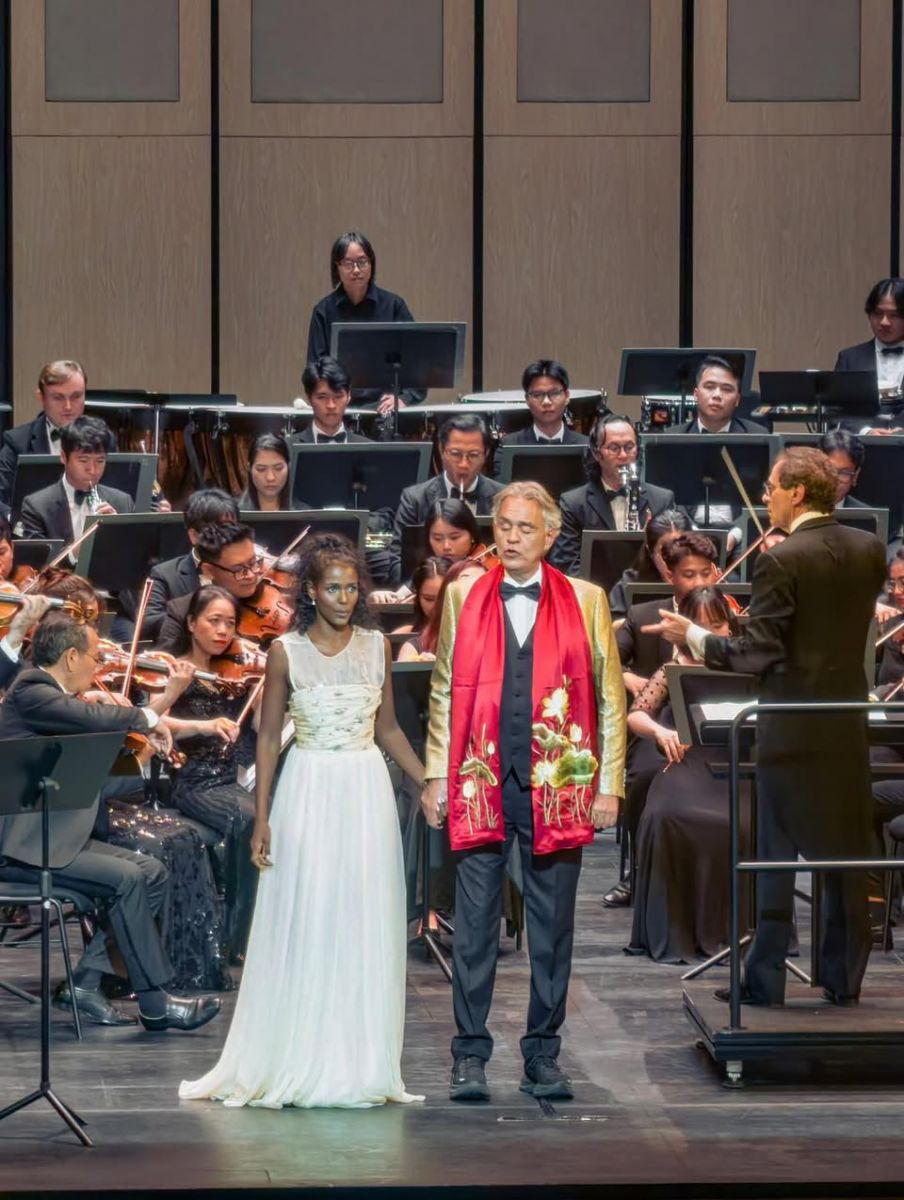
It was an evening to remember as Andrea Bocelli’s timeless melodies filled the hall and he took to the stage wearing a silk scarf from Tanmy Design, hand-embroidered with lotus blossoms.
Which silk scarf style works best for each formal event?
The best way to wear a hand-embroidered silk scarf depends on the event’s dress code, your outfit’s silhouette, and the embroidery’s visual impact. A graceful shoulder drape is the safest choice for highly formal occasions, while softer knots and asymmetric arrangements allow greater personal expression at less traditional events.
| Formal Event | Recommended Scarf Style | Styling Advice |
|---|---|---|
| Black-Tie Gala | Shoulder drape or elegant stole | Choose fine silk with subtle embroidery. Keep the drape balanced and avoid bulky knots that disrupt the evening silhouette. |
| Formal Wedding | Shoulder drape or one-shoulder wrap | Complement the dress with delicate embroidery and coordinated colors. Avoid bridal-looking white or ivory unless requested. |
| Diplomatic or Cultural Reception | Symmetrical shoulder drape or relaxed neck loop | Favor restrained colors and meaningful craftsmanship. Respect cultural expectations and official dress requirements. |
| Formal Business Event | Relaxed neck loop or soft front knot | Pair a slim embroidered scarf with a tailored blazer or dress. Keep the knot neat and understated. |
| Special Dinner | Soft front knot or asymmetric drape | Let carefully placed embroidery become a refined accent against a simple dress or elegant evening separates. |
These choices reflect formal scarf styling guidance and established black-tie dress conventions.
The essential distinction is restraint versus expression. Traditional black tie favors an understated wrap, while creative celebrations allow more sculptural styling. For hand-embroidered Vietnamese silk scarves, thoughtful placement can showcase the textile’s craftsmanship without overwhelming the outfit.
Always follow the host’s dress code before choosing how to drape or tie your scarf.
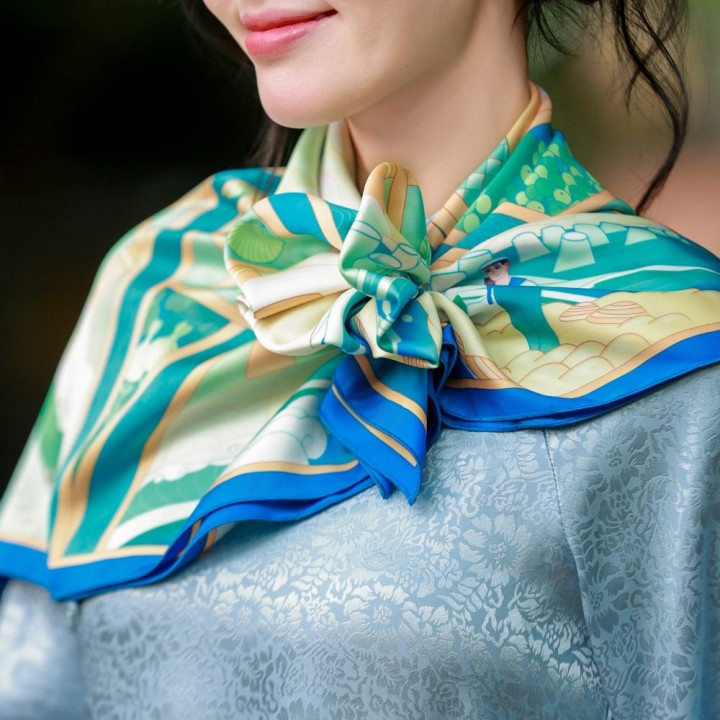
How to match an embroidered silk scarf with formal dresses and outfits
A hand-embroidered silk scarf looks most elegant with formal attire when its colors, proportions, and placement complement the garment without competing for attention. The key is to let the embroidery become a thoughtful focal point rather than an additional layer of decoration.
Match the scarf to your outfit's silhouette:
- Evening gowns: Drape a larger embroidered scarf over bare shoulders, especially with strapless or minimalist gowns. Choose embroidery that adds a subtle contrast to the dress.
- Cocktail dresses: Fold a small silk square into a narrow neck scarf or tie it at the waist. A jewel-toned floral motif can enrich a simple black or ivory dress.
- Tailored blazers: Tuck a slim scarf beneath the lapels, allowing delicate embroidery to frame the neckline without overwhelming structured tailoring.
- Formal blouses: A loose French knot or narrow vertical drape creates a refined finish, particularly with understated collars.
For color harmony, repeat one shade from your dress, handbag, or shoes within the scarf's embroidery.
Keep jewelry understated when the embroidery is prominent. Smooth earrings or a simple bracelet allow the scarf's craftsmanship to shine. Avoid sharp clasps or brooch pins that might catch delicate threads, consistent.
Ultimately, the most graceful pairing allows the scarf's intricate handwork to express individuality while preserving the outfit's elegance.
How to keep hand-embroidered details visible when wearing a silk scarf
To showcase the delicate artistry of a hand-embroidered silk scarf at a formal event, choose folds and drapes that keep the embroidered motifs facing outward, without hiding them beneath knots or overlapping fabric. The placement of each design determines how best to wear it.
- Identify where the embroidery sits. Before styling, lay your scarf flat and locate its embroidered borders, central patterns, or decorative ends. This helps you choose a fold that preserves the beauty of the craftsmanship.
- Choose a graceful shoulder drape. For scarves featuring intricate borders or central motifs, let the silk fall naturally over your shoulders. A broad, open drape keeps more embroidery visible than a tightly wrapped neck loop.
- Position embroidered ends toward the front. If the scarf features embroidery near its corners or ends, try an asymmetrical arrangement with one end hanging slightly longer. This draws attention to the decorative stitching without overwhelming your outfit.
- Keep knots loose and away from raised stitches. Position a soft knot beside or above the embroidered area rather than directly over it. Avoid tight compression and unnecessary friction, particularly around textured embroidery, consistent.
- Check the final arrangement. Stand before a mirror and examine the scarf from the front and side. Ensure the embroidered surface faces outward and remains visible as the silk settles.
The most elegant arrangement allows the embroidery to become a natural focal point, celebrating the skill and cultural character behind every carefully stitched detail.
Common mistakes to avoid when styling embroidered silk scarves
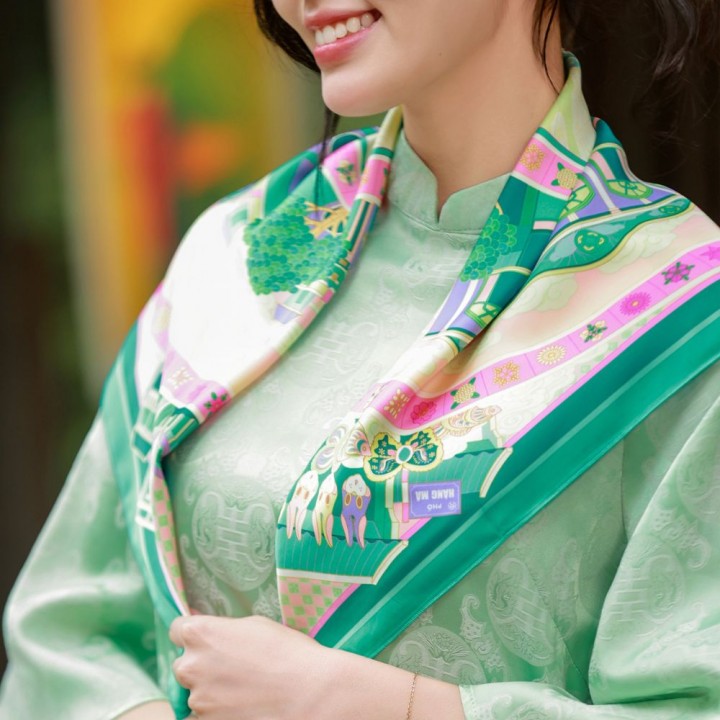
The key to styling a hand-embroidered silk scarf for formal events is to balance elegance, comfort, and visibility of the embroidery. Even a beautifully crafted scarf can lose its visual impact when tied too tightly, overwhelmed by accessories, or arranged without considering the outfit's neckline.
- Tying knots too tightly: Overly tight knots can create bulky creases and flatten the scarf's natural drape. Choose a small, soft knot with approximately one finger's clearance, adjusting the fabric gently rather than pulling it.
- Hiding delicate embroidery: Folding intricate stitching beneath a knot conceals the craftsmanship and may place unnecessary pressure on raised details. Position embroidered motifs where they remain visible and avoid compressing embellishments.
- Creating excessive neckline volume: Thick folds can overwhelm a tailored dress or formal blouse. Try a narrow fold or a graceful, untied drape that complements the neckline.
- Overaccessorizing: Statement necklaces and oversized earrings may compete with fine embroidery. Let the scarf become the focal point, complemented by understated jewelry..
- Ignoring movement and snag risks: Loose draping may shift while walking or posing, while sharp jewelry can catch delicate threads. Test the arrangement before the event and keep rough hardware away from the silk.
Thoughtful styling allows the embroidery's artistry and Vietnamese craftsmanship to speak for themselves.
How to choose a hand-embroidered silk scarf for your formal look
Choose a hand-embroidered silk scarf that complements your outfit's color, neckline, and silhouette while allowing its craftsmanship to shine. The right piece should feel elegant without overwhelming your formal attire.
- Consider the shape and size. A long rectangular scarf offers versatile styling for formal occasions. Tân Mỹ Design's hand-embroidered silk scarves, including a 40 × 200 cm design, provide enough length for a loose neck loop, delicate front knot, or asymmetric drape. Their narrow width makes them better suited to a refined stole than a full shoulder shawl.
- Choose colors that complement your outfit. Deep blue, black, or muted tones can create understated elegance, while contrasting embroidery adds a distinctive accent. Explore Tân Mỹ Design's scarf collection for different color combinations.
- Pay attention to embroidery placement. Floral or nature-inspired motifs can bring a subtle expression of Vietnamese artistic heritage. Position the embroidered details where they remain visible rather than hiding them inside a knot.
- Examine the silk and finishing. Check the fabric's softness, stitching, edges, and overall drape. Dense embroidery may affect how smoothly the scarf falls.
- Match the scarf to the occasion. For weddings, evening receptions, or formal dinners, let an intricately embroidered scarf become the focal point against a simple dress, blouse, or tailored jacket.
Before purchasing, request close-up photographs and confirm the specific scarf's material, dimensions, and finishing.
The most elegant way to style a hand-embroidered silk scarf is to let its craftsmanship guide the final look. Choose an open drape when the embroidery deserves attention, or a simple neck style when subtlety feels more appropriate. Before your event, try the scarf with your chosen outfit to check how naturally it falls and whether the stitching remains comfortable and visible. Thoughtful styling allows the artistry to speak for itself.
Other articles
Why Choose Mulberry Silk for Hand-Embroidered Scarves?
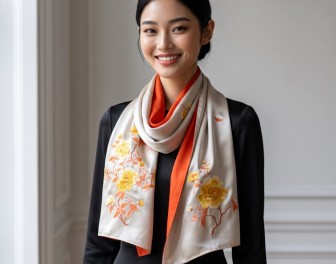
How to Style Embroidered Silk Scarves for Office Dress Codes
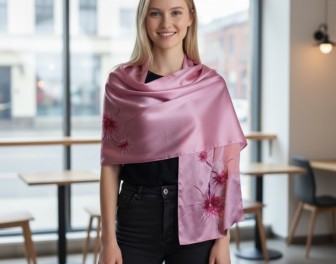
Are Hand-Embroidered Silk Scarves Worth the Price?
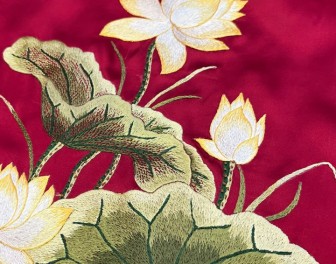
Where to Buy Authentic Hand-Embroidered Silk Scarves: A Trusted Buying Guide




Add: 61 Hang Gai St., Hoan Kiem Dist., Hanoi, Vietnam
Hotline: +84 936631368
Email: info@tanmydesign.com