
.png)
Meaningful Personalized Gifts: What Makes Them Feel Truly Special
A meaningful personalized gift feels special when the personalization reflects something real about the recipient or the relationship, rather than simply adding a name, date, or monogram. The strongest choices connect with a current interest, a shared memory, a conversation, or something the recipient will genuinely use. Whether the gift is handmade, customized, or carefully selected, its meaning comes from one clear message: the giver noticed who this person is and why this particular moment matters.
What Actually Makes a Personalized Gift Meaningful?
A personalized gift feels meaningful when the personalization reflects what matters to the recipient now, not simply how much information the giver knows about them. Research on gift giving suggests that recipients often value gifts that fit their current wants and needs more than gifts built around personality traits, past interests, or the giver’s attempt to appear especially creative.
Consider the difference between adding someone’s name to an ordinary object and choosing something connected to a memory they still treasure or an interest they actively enjoy. The name makes the object unique, but the second choice can communicate something deeper: “I noticed what matters to you.”
That distinction also explains why more customization is not always better. A highly specific gift can miss the mark when it reflects an outdated preference, limits how the recipient can use it, or makes assumptions about them. Research has found that gift givers often prefer narrowly tailored choices, while recipients may prefer options that give them greater flexibility.
So, when deciding what to personalize, start with the meaning rather than the method: choose the object, detail, memory, or message because it genuinely fits the person then personalize it only if doing so strengthens that connection.
_cr_720x720.jpg)
Custom Name Gift vs. Memory-Based Gift: Which Feels More Personal?
A custom name gift makes the recipient immediately recognizable in the object, while a memory-based gift can feel more emotionally personal when it points to a shared experience the recipient clearly remembers. Current research supports both forms of personalization, but direct experiments comparing names with shared memories remain limited.
On instant personal relevance, names, initials, and birthdates have an advantage: they connect the gift directly to the recipient’s identity. Research on personalized gifts and self-related cues suggests that this can create a quick sense of “this was made for me.”
On emotional meaning, however, a shared date, place, message, or experience can add another layer. Such details do more than identify the recipient; they can recall a specific part of the relationship. Research from the University of Bath also found that explaining why a personalized element was chosen can strengthen appreciation suggesting that the story behind the customization matters, not simply the customization itself.
Relationship closeness changes the choice. For a spouse, close friend, or family member with meaningful shared history, a memory-based detail may carry greater emotional weight. For a colleague, new relationship, distant relative, or acquaintance, a name, monogram, or carefully chosen design can feel thoughtful without assuming too much intimacy.
A useful rule is: personalize around identity when you know the person; personalize around memory when you know the relationship. Combining both a name with a meaningful date, place, or message can create the richest personal connection when the shared reference is genuinely significant.
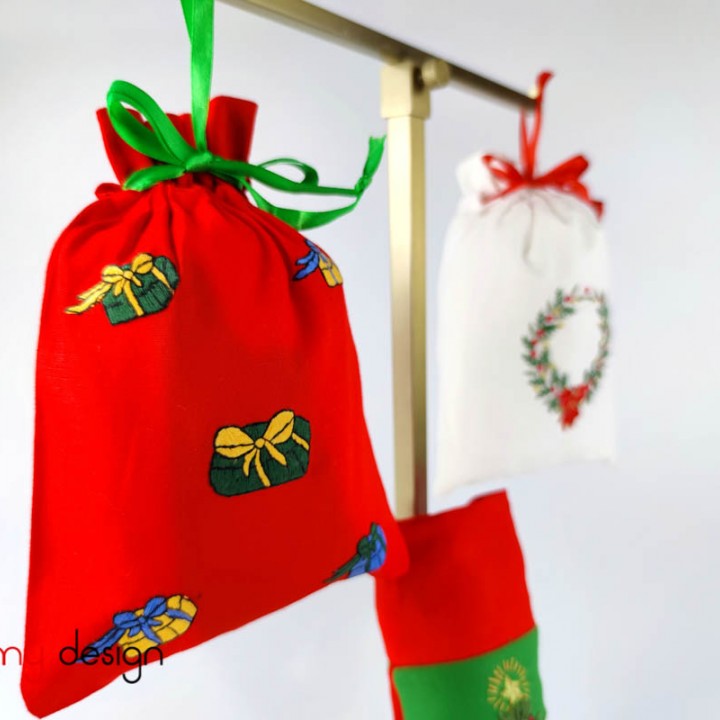
What Should You Personalize for a Meaningful Gift?
Personalize the part of a gift that best reflects what you want the recipient to feel, rather than simply adding the easiest detail. A name or initials can say, “This was chosen for you,” while a shared date, place, phrase, or memory can say, “This represents something we share.” Research on personalized gifts suggests that people value customized gifts more when they can see the thought and effort behind the choice, especially when the giver explains why a particular detail matters (University of Bath).
For a meaningful personalized gift, match the detail to the relationship:
- Name or initials: suitable when you want something personal but understated.
- Shared date or place: best for milestones or memories both people recognize.
- Short message: useful when the meaning of the gift may not be obvious on its own.
- Interest or hobby: works when it reflects something the recipient genuinely enjoys now.
- Shared memory or symbol: often feels more intimate because it represents a story belonging to both people.
More personalization is not automatically better. Studies on gift choice show that givers sometimes choose something very specific to prove how well they know someone, while recipients may prefer something more useful or flexible (Wharton).
A simple test is: Will they immediately understand why this detail belongs on this gift? If yes, the personalization is more likely to feel thoughtful rather than decorative.
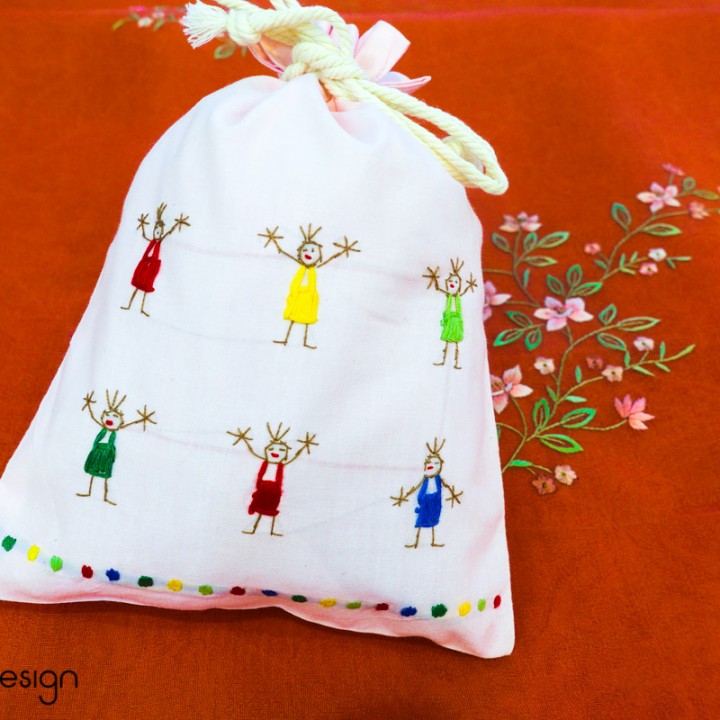
Match the Personalization to the Relationship and Occasion
A meaningful personalized gift should reflect the depth of the relationship, not simply how much can be customized. Research on gift-giving suggests that people in close relationships expect gifts to show greater knowledge of their tastes, identity, and shared history, while gifts for more formal or distant relationships are generally safer when they remain thoughtful but restrained.
For a partner, parent, sibling, or best friend, personalization can carry more emotional detail: a reference to a shared memory, a carefully chosen symbol, an object connected to a personal interest, or a handcrafted piece whose material and story suit the recipient. Such choices can communicate something deeper than a printed name: “I know what matters to you.” Research also suggests that gifts connected to shared experiences can strengthen feelings of closeness.
For colleagues, clients, hosts, or newer acquaintances, use a lighter touch. A refined handcrafted object, subtle initials, or a brief personal note can feel considered without suggesting intimacy that the relationship does not support.
The useful rule is simple: personalize the meaning before personalizing the object. A name alone does not make a gift meaningful; the detail should have a genuine reason to belong there. When you know little about the recipient, elegance, usefulness, craftsmanship, and cultural character are often better choices than highly personal messages.
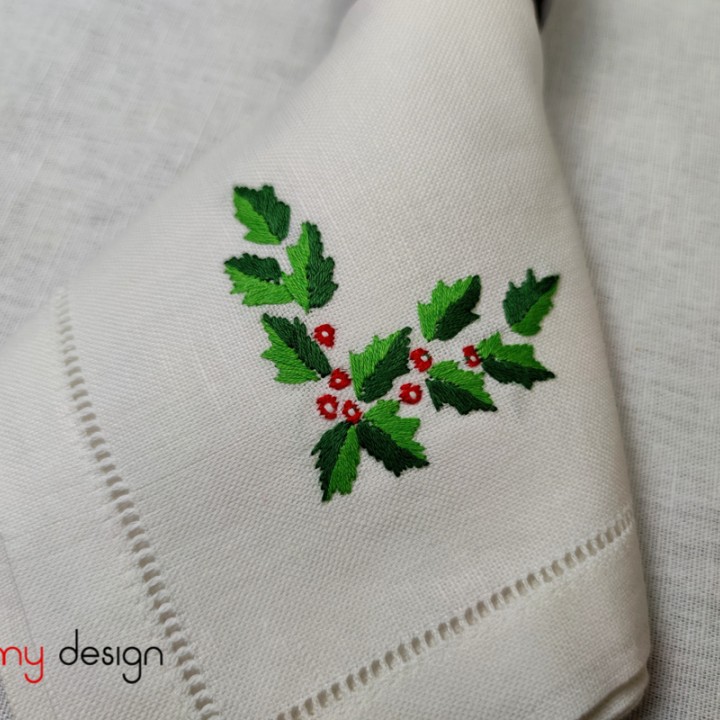
Choose a Gift That Can Carry the Meaning Naturally
A personalized detail feels more meaningful when the object itself already fits the recipient’s life, taste, and relationship to the giver. Rather than beginning with a name, date, or message, first choose something they would genuinely use, display, wear, or keep. Research on personalized gifts suggests that recipients value both the object’s usefulness and the sense that it was chosen specifically for them.
Then consider whether the material and making process strengthen the story you want the gift to tell. Vietnamese hand embroidery, for example, can carry identifiable craft value through documented techniques, manual stages, regional traditions, and the skills of particular artisans or workshops. UNESCO similarly emphasizes that traditional craftsmanship is rooted not only in the finished object, but in the knowledge and skills involved in making it.
This makes a useful distinction when comparing a custom-name gift with a memory-based gift: adding a name does not automatically create meaning. A smaller personalization on a well-chosen, beautifully made object may feel more personal than elaborate customization on something the recipient would never use.
So ask first: What object naturally belongs in this person’s life? Then personalize the part that connects it to a shared memory, place, relationship, or cultural story.
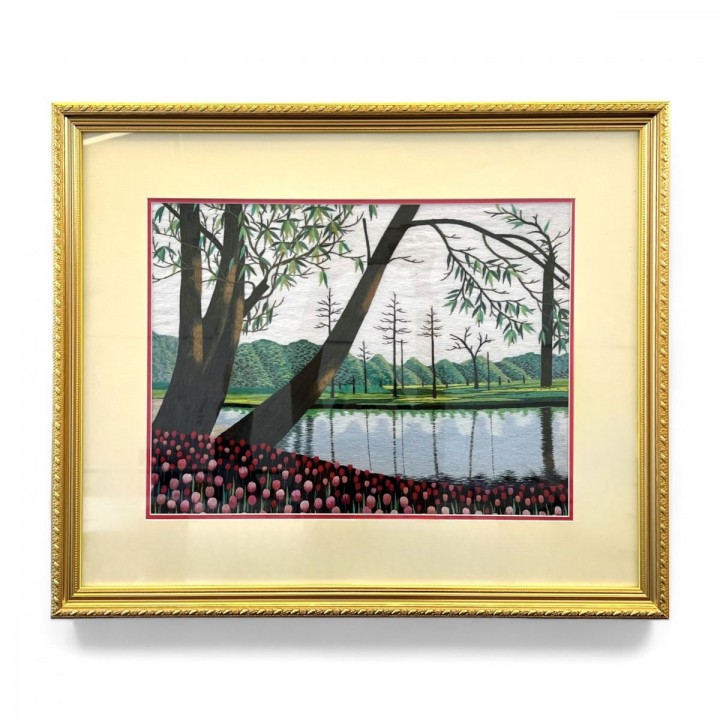
When Can Personalization Make a Gift Feel Less Special?
Personalization can make a gift feel less special when being unique becomes more important than understanding the person receiving it. Research on gift-giving shows that people sometimes choose a more distinctive gift even when another option better matches what the recipient actually likes. In other words, “different” is not automatically “thoughtful.”
A common mistake is making the customization too visible or too fixed: a prominent name, date, photograph, private joke, or highly specific theme. If that detail does not fit the recipient’s taste, identity, home, or daily life, it can make the gift harder to use—and harder to quietly put aside. Studies of gift recipients suggest that strongly personalized objects can create this kind of discomfort or obligation.
The better approach is to personalize around a meaningful connection, not simply a name. Start with something the recipient would genuinely enjoy using, wearing, or displaying; then add a restrained detail connected to a shared memory, place, craft tradition, or moment that matters to them. Research also suggests that recipients often value flexible choices more than overly narrow ones.
So when comparing a custom-name gift with a memory-based gift, ask one question first: does the personalization reveal that you understand the recipient or merely prove that the object was customized?
The most meaningful personalized gifts are not necessarily the most elaborate or heavily customized. A better rule is to begin with the person: what they enjoy now, what you share with them, and what would naturally become part of their life. From there, personalize only what strengthens that connection. A thoughtfully chosen handcrafted piece, for example, can carry cultural meaning, craftsmanship, and a story worth keeping without relying on obvious customization. The goal is not simply to make a gift unique, but to make the reason behind choosing it unmistakably personal.
Other articles
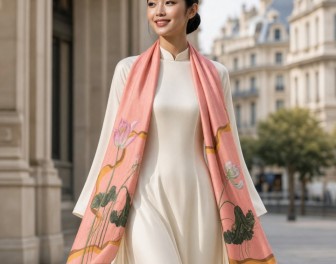
Vietnamese Silk Scarf Motifs: Meanings & Gift Choices
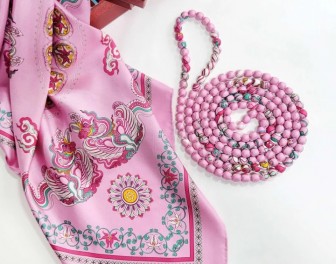
Square vs Long Silk Scarf: Which Makes a Better Gift?
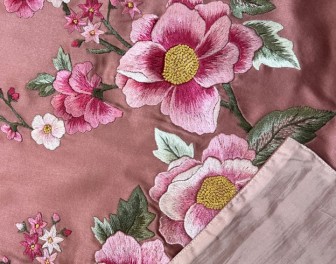
Hand-Embroidered vs Printed Silk Scarves: Which to Gift?
Thoughtful Gifts That Feel Personal Without Being Too Personal


Add: 61 Hang Gai St., Hoan Kiem Dist., Hanoi, Vietnam
Hotline: +84 936631368
Email: info@tanmydesign.com