
.png)
Thoughtful Gifts That Feel Personal Without Being Too Personal
A thoughtful gift does not need to reveal how deeply you know someone; it needs to show that you noticed what would suit them. For an acquaintance, colleague, new friend, or professional contact, the safest choices combine usefulness, modest value, and a small point of personal relevance without making assumptions about taste, body, home, or private life. The goal is simple: choose something considered enough to feel intentional, yet neutral enough to be received comfortably.
What Makes a Gift Thoughtful Without Making It Too Personal?
A thoughtful gift shows that you considered the recipient and the occasion without making assumptions about their private tastes, identity, body, relationships, or lifestyle. The safest balance is usually usefulness, good quality, appropriate craftsmanship, and restrained presentation.
Gift-giving research suggests that givers often focus on the moment of surprise, while recipients place more value on how useful and easy the gift is to enjoy afterward. A well-made notebook, artisanal object, quality tea, or carefully crafted home accessory can therefore feel more considerate than something highly customized but difficult to use.
The important distinction is that personal does not have to mean private. Thoughtfulness can come from choosing something connected to the occasion, selecting a maker with a meaningful story, or adding a short note explaining why you chose it. Craftsmanship and clear provenance can make a broadly suitable object feel deliberately selected rather than generic.
By contrast, highly specific personalization becomes risky when it depends on uncertain assumptions. Research shows that recipients may prefer versatile gifts over options narrowly tailored to a perceived personality or preference.
When you do not know someone closely, personalize the meaning behind the gift not private details about the person.
Match the Level of Personalization to How Well You Know Them
The safest way to make a gift feel personal without becoming intrusive is to increase personalization only as the relationship gives you more reliable information to work with. Shared experiences and explicitly stated preferences are safer signals than guesses about someone’s private taste; closeness alone does not make every personal detail appropriate.
| Relationship | Personalization level | Safe information to use | Suitable gift direction |
|---|---|---|---|
| Acquaintance | Low | Occasion, public interests, cultural context | Quality tea, food, a tasteful notebook, or a small Vietnamese handicraft with a clear cultural story |
| Colleague | Low–moderate | Work context, shared projects, stated preferences | Desk accessories, a refined craft object, or something connected to a known interest |
| Newer friend | Moderate | Shared activities, hobbies they openly discuss, places visited together | A book, hobby-related item, or gift linked to a shared experience |
| Close friend | Higher | Repeated habits, direct wishes, meaningful shared memories | A more tailored object, experience, or customized gift based on something already known |
This distinction matters because greater closeness generally allows greater depth, but context still sets the limit. A personal detail may be suitable between friends yet inappropriate in a professional, public, or culturally sensitive setting. Research on relationship development, politeness, and privacy therefore points to a practical rule: personalize from information the recipient has made available, rather than trying to prove how well you know them through inference.
Personalized Gift or Neutral Gift: Which Is More Appropriate?
When you do not know the recipient well, a neutral or lightly personalized gift is usually more appropriate. Strong personalization works better when you have reliable knowledge of their preferences, a close relationship, and an occasion where a more intimate gesture feels natural.
| Gift approach | Best when | What it might look like |
|---|---|---|
| Neutral gift | You know little about the person, the relationship is professional, or social and cultural expectations are uncertain. | Quality tea, a well-made notebook, a tasteful handcrafted object, or another useful item with broad appeal. |
| Lightly personalized gift | You know one or two reliable preferences but not enough to make a highly specific choice. | A local specialty, an artisan piece in a known color, or a practical gift accompanied by a short handwritten note. |
| Highly personalized gift | The relationship is close and you clearly understand the recipient’s tastes, wishes, or shared memories. | A customized object, a gift linked to a shared experience, or something the recipient has directly requested. |
Research on gift giving repeatedly finds that recipients often value usefulness and fit more than the originality, price, or surprise that givers may emphasize. Requested gifts can also be appreciated more than unsolicited choices intended to appear more thoughtful.
This makes light personalization a useful middle ground: the object remains easy to enjoy, while details such as craftsmanship, provenance, presentation, or a brief explanation show deliberate care.
The more permanent, intimate, expensive, or difficult to exchange a gift is, the more certain you should be about the recipient’s preferences before personalizing it.
Gift Ideas That Feel Considered Without Requiring Personal Knowledge
The safest thoughtful gifts are those that feel deliberately chosen through quality, craftsmanship, or cultural meaning without depending on private knowledge of the recipient’s size, style, fragrance preferences, or personal life.
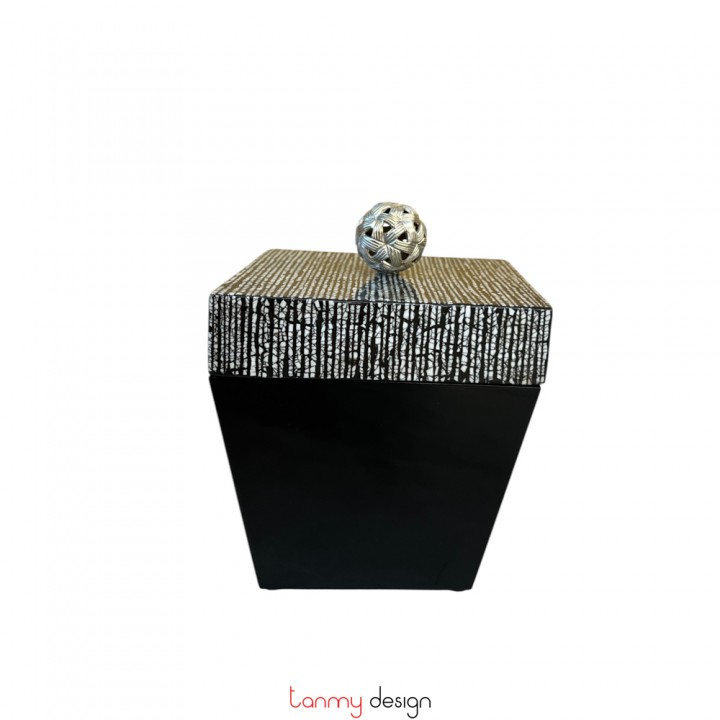
- Small handcrafted objects: A lacquer box, ceramic piece, or other compact artisan-made object can feel distinctive without becoming intimate. Tân Mỹ Design’s small lacquer boxes are practical examples because their value comes from material, finish, and Vietnamese craft rather than personal sizing or taste assumptions.
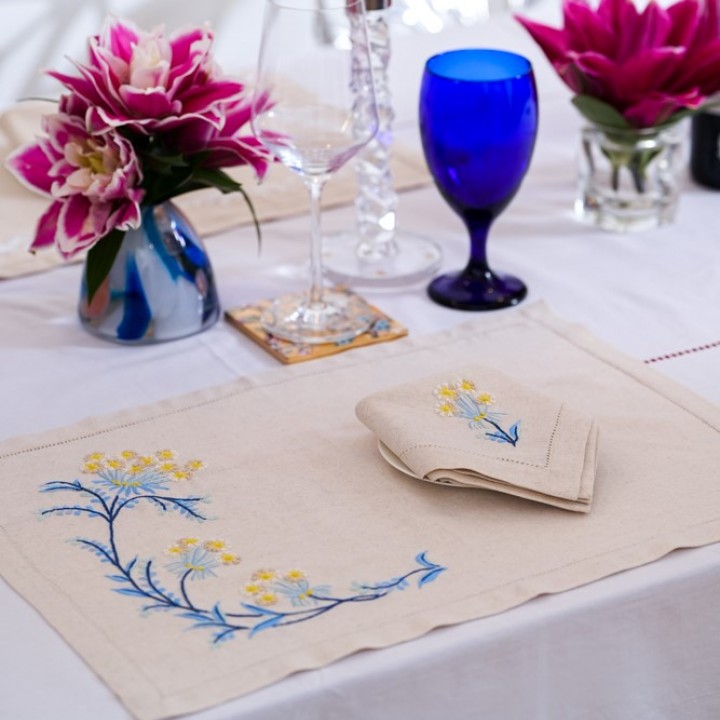
- Refined textile gifts: Handkerchiefs and table linens offer craftsmanship without requiring the recipient to wear a particular clothing size. Tân Mỹ Design currently lists silk handkerchief sets, while its catalogue includes hand-embroidered napkins.
- Premium consumables: Specialty tea, coffee, chocolates, preserves, or other regional foods work well when dietary restrictions are known or easily checked. Their advantage is that they can communicate quality and place without creating long-term clutter.
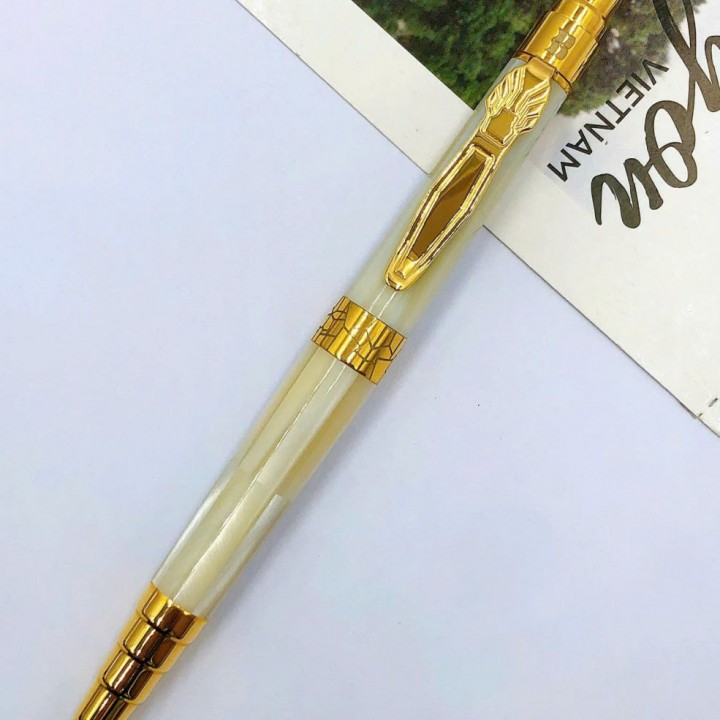
- Elegant stationery: A well-made notebook, pen, or correspondence set is useful across personal and professional settings while still leaving room for distinctive materials and design.
- Thoughtfully framed gift cards: When preferences are especially uncertain, a card for a carefully chosen bookstore, restaurant, or specialty shop gives the recipient freedom without making the gift entirely generic.
The useful rule is simple: personalize the selection through craftsmanship, provenance, and occasion not through assumptions about the recipient.
Gifts to Avoid When You Are Not Very Close to Someone
When you do not know someone well, avoid gifts that make assumptions about their body, private habits, romantic interests, beliefs, health, or spending expectations. The greater the assumption a gift requires, the greater the chance that “personal” becomes uncomfortable rather than thoughtful.
Higher-risk choices include:
- Perfume, skincare, clothing, jewelry, or grooming products. These depend heavily on personal taste, body, style, or private routines and are commonly discouraged in professional gifting.
- Romantic gifts, such as red roses, heart-themed items, or anything implying intimacy. Their meaning can easily exceed the relationship.
- Health-related products, including weight-loss items, supplements, anti-aging treatments, or medical devices. Even well-intended gifts may appear to comment on the recipient’s health or appearance.
- Very expensive gifts or cash. In professional relationships, these can create a sense of obligation and may conflict with workplace gift rules.
- Alcohol, strongly scented products, or highly specific foods unless you already know they are welcome.
- Culturally symbolic objects whose meaning you are unsure about. Clocks, sharp objects, certain flowers, colors, or other traditional symbols can carry unintended meanings across cultures.
- Highly taste-dependent décor or hobby equipment. These require knowledge you may simply not have yet.
These are not universally inappropriate gifts. Jewelry, fragrance, clothing, or valuable objects can be entirely suitable within close relationships or established cultural ceremonies. The safer rule for an acquaintance is to choose something well made and meaningful without requiring private knowledge of the recipient to get it right.
A Simple Final Check Before You Buy
Before buying, check whether the gift fits the relationship, suits the recipient’s real life, shows care without relying on uncertain personal details, and feels proportionate enough that it is unlikely to create awkwardness or obligation.
- Does it fit the relationship? A gift for an acquaintance, colleague, host, or business contact should usually be more restrained than one for a close friend or family member. Relationship type and closeness consistently shape what feels appropriate.
- Am I guessing too much about their taste? If the gift depends on knowing their size, style, habits, or very specific preferences, uncertainty raises the chance of a mismatch. In that case, choose something easier to appreciate in their actual circumstances.
- Does it show care rather than simply expense? Good materials, skilled craftsmanship, a clear origin, or a meaningful maker story can make a gift feel deliberately chosen without making it intimate.
- Is the value proportionate? The price should fit both the occasion and the relationship. An unnecessarily expensive gift can create discomfort or a sense that something is expected in return.
- Can I explain the choice naturally? A simple sentence such as “I wanted to give you something beautifully made in Vietnam” is often enough.
If explaining the gift requires assumptions about the recipient that you would feel uncomfortable saying aloud, choose something less personal.
The best gift for someone you are not very close to sits between generic and intimate. Start with what you genuinely know the occasion, a stated interest, a shared context, or an appreciation for craft and avoid filling the gaps with guesses. A well-made object with a clear story can carry meaning without demanding closeness, which is why culturally rooted craftsmanship can work especially well when you want the gesture to feel distinctive, respectful, and appropriate.
Other articles
Vietnamese Silk Scarf Motifs: Meanings & Gift Choices
Square vs Long Silk Scarf: Which Makes a Better Gift?
Hand-Embroidered vs Printed Silk Scarves: Which to Gift?
_cr_720x720_cr_336x264.jpg)
Meaningful Personalized Gifts: What Makes Them Feel Truly Special



Add: 61 Hang Gai St., Hoan Kiem Dist., Hanoi, Vietnam
Hotline: +84 936631368
Email: info@tanmydesign.com