
.png)
Vietnam Lacquerware Prices Explained: From Souvenir to Premium
Choosing lacquerware Vietnam price can feel unsettling when the gift carries your reputation. What many don’t realize is that a single authentic lacquer piece may take four to five months to complete, according to the Vietnam Handicraft Exporters Association, shaping both its value and its story. This guide helps you see beyond surface beauty - so every piece you choose feels worthy, authentic, and confidently given.
Vietnamese Lacquerware Price Overview: The Real Market Range?
The lacquerware vietnam price spans five clear retail tiers, from about 125,000 VND to above 15,000,000 VND, reflecting a shift from small souvenir items to collectible, design-led and luxury statement pieces found at brands like Tan My Design and Hanoia.
- Souvenir / entry (≈125,000–500,000 VND)
Small bowls, trinket boxes, mini decor; typical of Ha Thai village tourist retail and impulse gifting. - Affordable craft (≈500,000–2,500,000 VND)
Bowls, trays, boxes, coasters, small vases; widely used for home decor and accessible gifting (Tan My Design range). - Upper-mid design (≈2,500,000–6,500,000 VND)
Tea boxes, jewelry boxes, incense trays, serving trays; common in curated gifts and corporate use (seen in Hanoia pricing). - Premium (≈6,500,000–15,000,000 VND)
Large trays, statement boxes, sculptural decor; chosen for executive gifting and refined interiors. - Luxury / collector (15,000,000+ VND)
Fine-art vases, furniture-like pieces, collectible decor; positioned for diplomatic gifting and legacy display.
Key takeaway: Price directly signals purpose - moving from portable souvenirs to culturally significant, design-driven objects meant to represent identity and prestige.
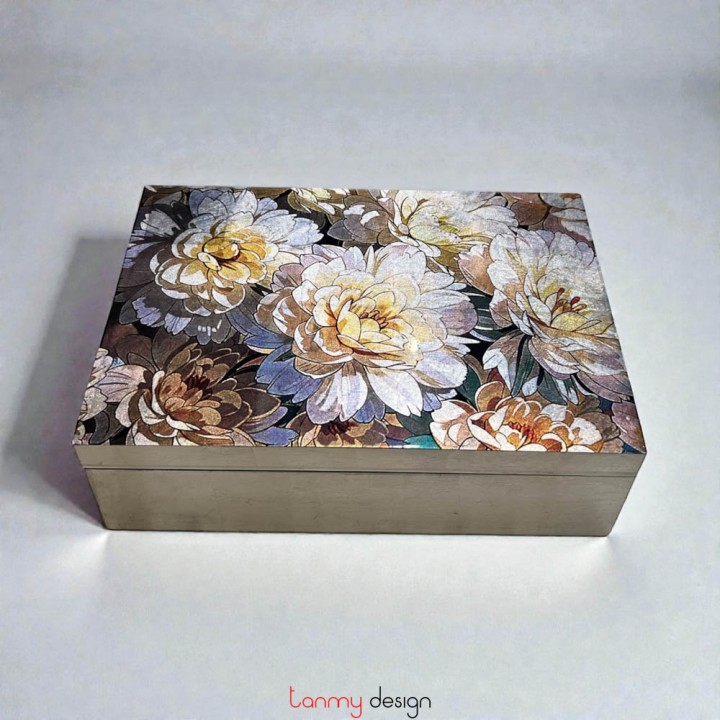
Why Lacquerware Prices Vary So Much in Vietnam?
Lacquerware Vietnam price varies widely because it reflects layers, labor time, materials, origin, artistic pedigree, and authenticity, with some pieces requiring over 20 layers, at least 100 days of work, and rare materials like gold leaf or mother-of-pearl.
- Increase layers: Artisans apply 20+ lacquer layers, each hand-sanded and naturally dried over days or weeks, so more layers mean higher cost and longer creation time.
- Extend production time: Every piece goes through at least 20 stages over a minimum of 100 days, with complex works taking months or years due to fully manual processes.
- Upgrade materials: Use gold leaf, silver, mother-of-pearl, eggshell, horn, or natural sap instead of synthetic substitutes, raising both value and visual depth.
- Define origin: Pieces from Ha Thai, Cat Dang, Tuong Binh Hiep, or Hue carry higher value due to long-standing reputations.
- Elevate artistry: Works by trained artists, especially from École des Beaux-Arts de l'Indochine, command premium prices, even reaching auction-level valuation.
- Ensure authenticity: Genuine natural lacquer sap, harvested seasonally, costs more but ensures durability and cultural integrity.
Key takeaway: Price is not random - it reflects time, tradition, materials, and authenticity, so higher cost often signals true cultural and artistic value.
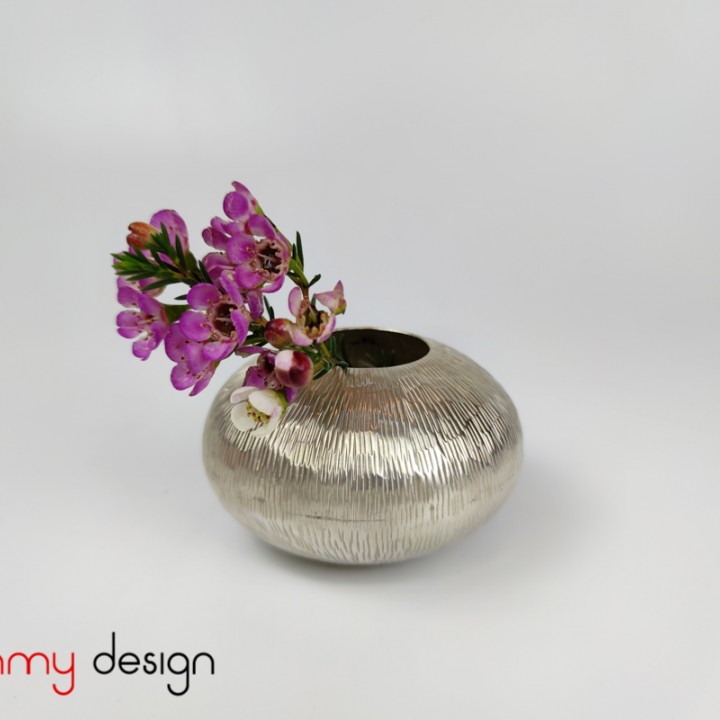
Price Tiers Explained: What You Actually Get at Each Level?
The lacquerware vietnam price is best understood through four tiers - low, mid, upper, and premium - each reflecting clear increases in craftsmanship, technique depth, uniqueness, and gifting prestige rather than a fixed global standard.
| Tier | What You Get | Craftsmanship | Uniqueness | Gift Suitability |
|---|---|---|---|---|
| Low | Everyday bowls, chopsticks, small plates | Simpler production, utility-focused | Lower, modern functional items | Casual, practical gifting |
| Mid | Refined functional pieces with decorative detail | More handwork, multiple lacquer layers | Moderate, handmade appeal | Thoughtful, balanced gifts |
| Upper | Traditional pieces with ornate techniques (e.g., maki-e, raden) | High, recognized craftsmanship | High, strong artisanal identity | Ideal for milestones, formal gifting |
| Premium | Tea utensils, jewelry boxes, collectible art | Exceptional, labor-intensive, multi-step processes | Very high, master-level work | Prestige, heirloom, VIP gifting |
Key takeaway: The real shift is not just price - it’s the visible depth of handcraft and cultural value, which becomes unmistakable from upper tier onward.
The Hidden Risk: Why Cheap Lacquerware Can Backfire as a Gift?
Choosing low-cost lacquerware vietnam price options can backfire because recipients may read them as low effort or poor fit, while observers may interpret the choice as weak taste or limited regard for the relationship when quality and authenticity cues feel misaligned.
- Signal weak relationship understanding
Poorly chosen gifts can be interpreted as a lack of similarity or understanding, which may lower how the recipient perceives the relationship and its future. - Create mismatch between price and meaning
A lower price is acceptable only when the item still feels thoughtful; if it looks cheap, impractical, or generic, it is more likely to be read as careless rather than considerate. - Damage giver’s image and credibility
Gifts function as symbolic signals, so a visibly low-grade item can make the giver appear inattentive, ungenerous, or lacking discernment. - Trigger doubts about authenticity and craftsmanship
Very cheap lacquerware may be perceived as an industrial substitute rather than true artisan work, raising concerns about materials, durability, and cultural value.
Key takeaway: The risk is not the price itself, but the gap between price and perceived craftsmanship, authenticity, and relevance to the recipient.
What Makes a Lacquerware Piece Truly “Premium”?
A premium lacquerware vietnam price is justified when a piece meets three linked standards: rigorous technique, refined yet original design, and authentic cultural lineage, consistently identified by expert frameworks, conservation studies, and market distinctions between master-crafted works and tourist-grade goods.
- Ensure technical mastery: Achieve superb craftsmanship, layered color depth, fine texture, and durable protective finish, reflecting “high quality” and “delicacy” defined by Li & Dingwei (2024).
- Use noble materials and processes: Apply traditional methods reconstructed from historical manuals, as validated in Heritage Science (2026).
- Express design intelligence: Combine originality, innovation, and contemporary sensibility while preserving lacquer’s material integrity - not copying tradition but evolving it.
- Embed cultural authenticity: Carry heritage, identity, and transmission through real craft communities, similar to UNESCO-recognized urushi practices.
- Signal market credibility: Align with master makers, collection-grade positioning, and clear distinction from rough, repetitive souvenir products.
Key takeaway: Premium value comes from the convergence of technical excellence, thoughtful design, and verifiable cultural depth, not surface decoration.
_cr_720x720.jpg)
Where to Buy Lacquerware in Vietnam Without Taking Risks?
For lacquerware vietnam price, the safest buying channels are curated boutiques (highest reliability), followed by workshops (variable but traceable), while tourist markets carry the highest risk due to weak provenance and counterfeit circulation.
- Choose curated boutiques for important gifts
Platforms like CHUS emphasize verified origin, artisan profiles, and screening against mass-produced “copy concept” goods, giving buyers clear trust signals when reputation matters. - Buy from workshops if you can confirm the maker
Direct interaction with artisans allows you to understand materials and techniques, improving traceability - especially when the workshop explains the full process. - Avoid tourist markets for high-stakes gifting
VietNamNet reports, citing the Vietnam Association for Anti-Counterfeiting and Trademark Protection, that counterfeit and undocumented goods have flooded traditional markets, making authenticity harder to verify.
How to Choose the Right Price Range for Your Gifting Situation?
Choosing the right lacquerware vietnam price range depends on gifting context: casual gifts fit 200,000–1,000,000 VND, business partners 1,000,000–3,500,000 VND, and VIP recipients 3,500,000–10,000,000+ VND, aligning with both Vietnam retail tiers and corporate gifting norms.
- Casual gifting (200,000–1,000,000 VND)
Fits entry-to-lower artisan retail pricing; ideal when the message is warm and tasteful, not strategic. Small bowls, trays, or jewelry boxes stay authentic without feeling excessive. - Business partners (1,000,000–3,500,000 VND)
Moves beyond souvenir level into intentional craftsmanship; aligns with standard corporate budgets noted by Pam Danziger (Forbes, $50–$150 range). - VIP / executive gifts (3,500,000–10,000,000+ VND)
Supports refined pieces and statement objects; reflects elevated budgets for top clients, where prestige and relationship value matter most.
Key takeaway: Match price to message - light appreciation, professional respect, or long-term value - so the gift feels appropriate, not accidental.
In the end, price is not just a number - it reflects time, hands, and heritage held within each layer. When materials, craftsmanship, provenance, and pricing align, the piece becomes more than a gift; it becomes a statement of respect and cultural depth. At Tân Mỹ Design, that alignment is carefully preserved for those who seek something truly meaningful. Take a moment to explore with intention - you may find a gift that quietly speaks for you.
FAQ
What is the average price?
There is no single benchmark; Tan My Design (2025) cites 200,000–2,500,000 VND for small bowls and over 27,000,000 VND for fine-art vases, while Asia Eyes Travel (2025) notes $5–10 for small village items and several hundred dollars for larger pieces.
How do I identify handmade lacquerware?
Silkwood Traders (2017) highlights solid bases, multiple lacquer layers, and lasting color depth, while Tan My Design (2025) adds natural lacquer, 15–30 hand-applied layers, and eggshell or mother-of-pearl inlays.
Where should I buy authentic pieces?
Vietnam News (2024) recognizes Hạ Thái Village as a craft destination, and Tan My Design (2025) recommends boutiques like Hanoia, Tan My Design, and Huong Nga Fine Arts.
Other articles
How to Choose a Tie Gift He’ll Actually Wear: A Practical Guide
How to Care for a Silk Scarf Without Damaging It
Is a Silk Scarf Worth the Price? How to Judge Quality and Durability
How to Tell If a Silk Scarf Is Real: Check Before Buying Online


Add: 61 Hang Gai St., Hoan Kiem Dist., Hanoi, Vietnam
Hotline: +84 936631368
Email: info@tanmydesign.com