
.png)
Vietnamese Lacquer Panels: How to Avoid Decorative-but-Forgettable Choices
Many gifts look impressive in a showroom, yet fall flat the moment they enter a meaningful exchange. With vietnamese lacquer panels, what discerning buyers seek is not surface beauty, but a piece with enough authenticity to represent Vietnam itself. According to artifact records from the Vietnam National Fine Arts Museum, Nguyễn Gia Trí’s Standing Screen (1939) is formally recognized as lacquer painting, reminding us that lasting value begins with true artistic lineage, not just a polished finish.
What makes a Vietnamese lacquer panel “worth giving” instead of just decorative?
A Vietnamese lacquer panels piece is worth giving when it combines demanding multi-layer craftsmanship, a clear cultural narrative, and the ability to represent Vietnamese identity - transforming it from decoration into a meaningful cultural object.
Museum documentation shows true value begins with technical mastery: layered lacquer built through repeated coating, humidity-controlled drying, sanding, and polishing, often embedding eggshell or mother-of-pearl beneath the surface to reveal depth and luminosity through abrasion (Phoebe Scott, National Gallery Singapore; Anne Fort, Cernuschi Museum). These visible effects signal hidden labor and control, not surface decoration.
Equally, story matters. Panels rooted in mythic, sacred, or historical imagery give recipients something to understand and retell, especially when materials serve meaning - like eggshell shaping light or figures, rather than acting as ornament.
Finally, representational weight elevates the piece. Vietnamese lacquer is recognized as a national artistic expression linking tradition and modern identity, making it suitable for gifting with cultural significance (Anne Fort; UNESCO).
A panel becomes gift-worthy when craftsmanship impresses, story resonates, and cultural identity is unmistakably present.
_cr_720x720.jpg)
Why do most lacquer panels on the market feel beautiful - but forgettable?
Most vietnamese lacquer panels feel beautiful but forgettable because they follow scalable décor logic - standardized formats, repeated motifs, and high-gloss finishes - optimized for quick visual appeal and online sales, rather than singular craftsmanship, authorship, or cultural depth that creates lasting distinction.
The pattern starts with mass scalability: Grand View Research (2026) notes a wall-art market shaped by ready-to-install products and fast e-commerce growth, pushing designs toward safe, minimalist, and widely adaptable formulas. This favors pieces that fit many interiors - but rarely stand out.
Then comes repetition. Botanical scenes, landscapes, or mother-of-pearl florals recur because they’re easy to recognize and place. Design theory shows repetition builds rhythm, but overuse turns artworks into visual inventory rather than memorable compositions, as discussed by LibreTexts (2022) and Maddox Gallery (2019).
Finally, finish overtakes character. High-gloss lacquer acts as a “visual shorthand for luxury,” making pieces instantly attractive yet harder to distinguish when many imitate the same sheen-driven look, as described by Stanwich Painting (2025) and echoed by Homes & Gardens (2026).
The result is a consistent formula: polished surface, familiar imagery, low-risk composition - easy to sell, but difficult to remember. For discerning buyers, memorability only begins when craft, story, and authorship move back to the center.
Key takeaway: Immediate beauty often comes from standardization and gloss - but lasting value comes from uniqueness, context, and true craftsmanship.
_cr_720x720.jpg)
What do most buyers miss when choosing lacquer panels for gifts or display?
Most buyers of vietnamese lacquer panels miss context-fit, choosing based on surface beauty or prestige instead of aligning the piece with the recipient, the display environment, and the intended meaning - leading to gifts that feel mismatched, identity-imposing, or less meaningful than intended.
- Ignore recipient identity fit: Buyers often select what feels refined to them, but gift research shows givers default to category-safe or self-expressive choices rather than the recipient’s deeper preferences, creating emotional distance.
- Overlook display environment: Scale, lighting, wall color, and surrounding objects shape whether lacquer appears contemplative or heavy; cultural analyses confirm lacquer meaning shifts with context, not just the object itself.
- Miss representational purpose: A panel can signal heritage, ritual, or modern expression, yet without clarity, recipients may reinterpret it as a value statement or expectation rather than art.
- Underestimate identity signaling: Recipients infer “how you see me” from gifts; research on reflected appraisals shows gifts shape identity perception, sometimes feeling imposed.
- Forget cultural interpretation gaps: Studies on lacquer traditions show motifs can embody beliefs like lineage or hope, meaning interpretation changes across cultural frames and placement.
Key takeaway: When context-fit is ignored, recipients read meaning before craftsmanship - turning a valuable lacquer piece into something admired, but not truly accepted.
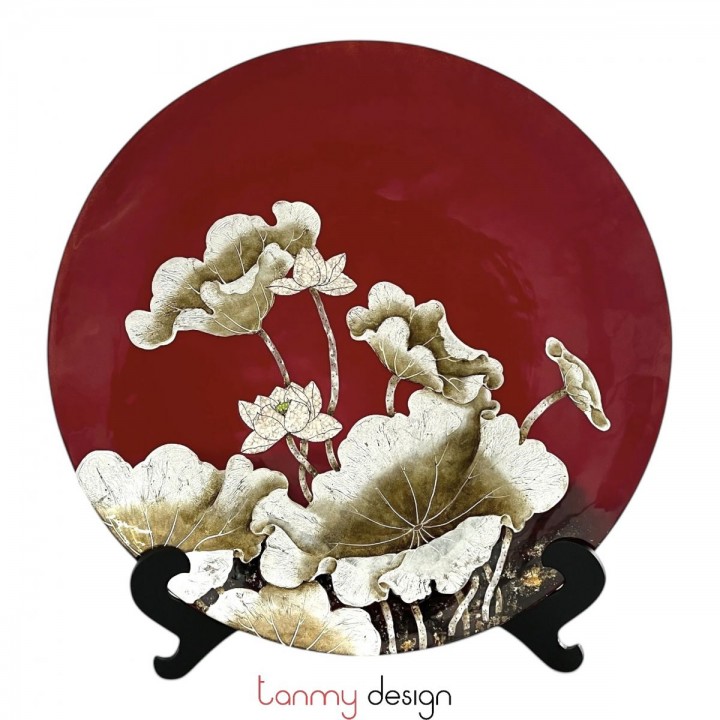
How to evaluate a Vietnamese lacquer panel before you buy (Gift-Grade Filter)?
A gift-grade vietnamese lacquer panels must pass four checks: layer integrity, finish stability, visual clarity, and environmental fit; any failure - especially cracking, muddy composition, or light-sensitive display - signals decorative-only value, not a credible gifting piece.
- Verify layer build: Look for sequential, even layers with controlled polishing; reject thin, uneven strata, exposed ground, or cupping.
- Check finish depth: Accept luminous, stable surfaces; reject hazing, pinholes, orange-peel texture, or loss of luster linked to deterioration.
- Assess surface stability: Reject any cracks, buckling, chipping, or lifting - these require immediate conservation attention.
- Judge decorative precision: Ensure crisp engraving or inlay edges; avoid blurred lines or inconsistent depth.
- Confirm story clarity: Composition must read clearly at normal distance, not visually noisy.
- Match display context: Ensure suitable light and humidity tolerance; unstable environments accelerate damage.
Key takeaway: A panel that fails even one criterion may look attractive - but it lacks the structural and cultural credibility required for meaningful gifting.
When should you NOT choose a lacquer panel as a gift?
You should not choose vietnamese lacquer panels when recipient taste is unclear, when the gift must serve daily practical use, when logistics involve fragile long-distance shipping, or when strict corporate gift policies require modest, clearly justified items over subjective decorative pieces.
- Avoid unclear taste situations
Decorative art depends heavily on personal style, making it risky when you lack insight into the recipient’s aesthetic or workspace. The Agence Française Anticorruption (2020) warns that gifts should have clear professional relevance, which subjective décor often lacks. - Avoid functional gifting contexts
If the goal is daily use, lacquer panels underperform. According to John Corrigan’s PPAI Consumer Survey (2023), 65.4% keep gifts for usefulness vs. 16.4% for design, making utility a stronger retention driver. - Avoid complex logistics scenarios
Fragile surfaces require reinforced packaging, cushioning, and sometimes custom crating, increasing cost, handling complexity, and damage risk. - Avoid strict compliance environments
Policies from HES International (2021) and ICC (2014) emphasize non-excessive, clearly justified gifts, while art objects may trigger scrutiny due to perceived value ambiguity. - Avoid broad or mixed audiences
PPAI (2023) reports 66% of recipients regift items, especially when personal fit is weak - raising the risk of losing both impact and brand perception.
Key takeaway: Choose lacquer panels only when taste is known, logistics are controlled, and the gifting goal is symbolic prestige - not practicality or scale.
How to choose the right lacquer panel for your specific context?
Choosing the right vietnamese lacquer panels means matching the setting’s message function with the panel’s dominant style - neutral elegance for reception spaces, cultural symbolism for VIP gifting, and high artistic expression for personal collections - validated through interior design fit, gifting relevance, and lacquer-art function.
- Match function to style signal:
Choose neutral elegance for public-facing spaces, clear symbolism for relationship-driven gifts, and expressive works for private collectors. - Validate with interior design criteria:
Check scale, room function, and visual harmony; artwork should align with client values and remain broadly legible in shared spaces. - Test gifting relevance and restraint:
Ensure symbolism is interpretable, culturally appropriate, and aligned with recipient identity and relationship tone. - Assess artistic role in lacquer tradition:
Distinguish whether the panel functions as thematic, symbolic, or purely embellishment-based art. - Screen for visual readability vs depth:
Public settings require clarity at a glance, while private collections can support ambiguity and conceptual depth.
Key takeaway:
Choose clarity for shared spaces, symbolism for meaningful gifting, and expressive depth for personal ownership - then validate across design, relationship, and artistic lenses.
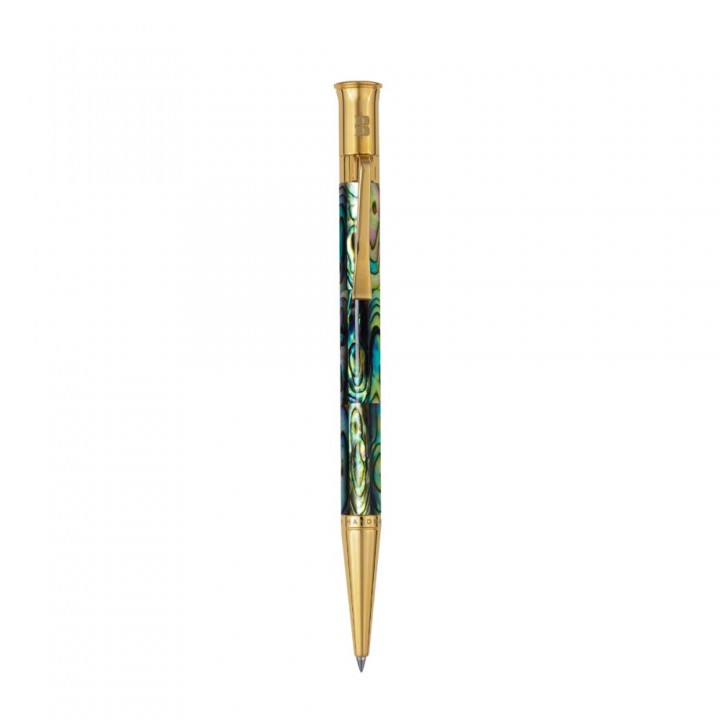
When a gift must speak on your behalf, beauty alone is not enough. The right choice carries a story, genuine technique, and imagery that quietly communicates Vietnam at first glance. That is where Tân Mỹ Design becomes a trusted source of living heritage for important gifting moments. Choose a piece that lingers in memory long after the exchange, not just in the moment it is opened.
FAQs – vietnamese lacquer panels?
Are all lacquer panels fully handmade?
No. UNESCO documents multi-stage production - filtering, layering, polishing - often combining manual skill with tools and subcontracting, not uninterrupted handwork.
Does a higher price guarantee better quality?
No. JICA reports price may reflect transport, scarcity, or branding rather than craftsmanship or durability, so price alone is unreliable.
Is a flawless surface a sign of authenticity?
Not always. Traditional lacquer varies due to layering and polishing; overly perfect surfaces can signal restoration or non-authentic work.
Are materials always natural?
No. JICA notes use of laminated boards and chemical dyes alongside lacquer, wood, and shell - material systems must be disclosed clearly.
What should buyers verify first?
Process disclosure, material transparency, quality control standards, and market positioning - not slogans.
Other articles
How to Choose a Tie Gift He’ll Actually Wear: A Practical Guide

How to Care for a Silk Scarf Without Damaging It

Is a Silk Scarf Worth the Price? How to Judge Quality and Durability

How to Tell If a Silk Scarf Is Real: Check Before Buying Online



Add: 61 Hang Gai St., Hoan Kiem Dist., Hanoi, Vietnam
Hotline: +84 936631368
Email: info@tanmydesign.com